PAGE_HEADER
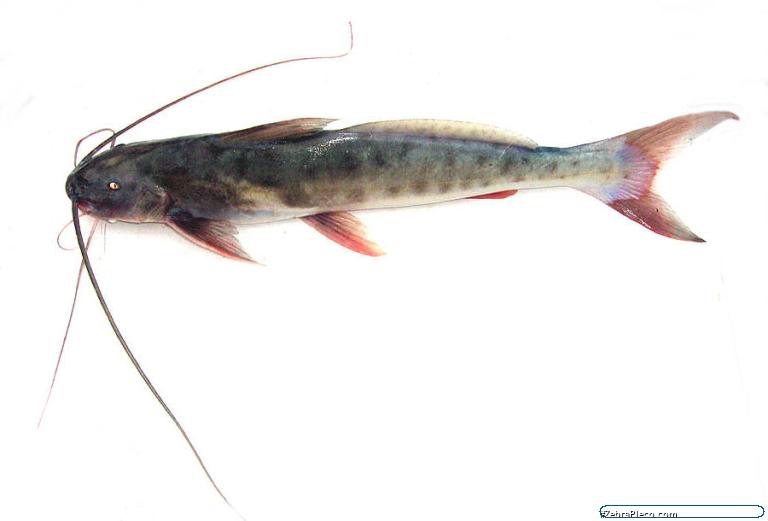
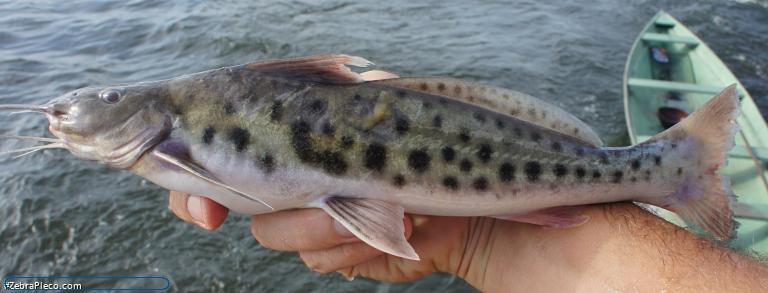
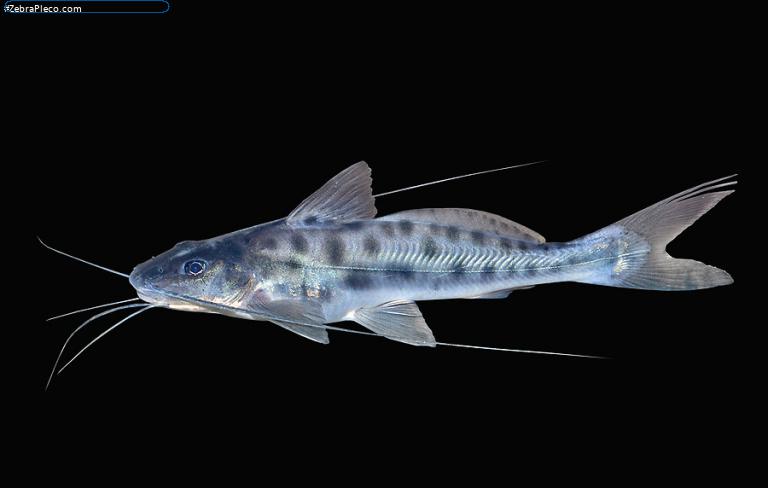
Calophysus macropterus (Lichtenstein, 1819)
Image Showcase
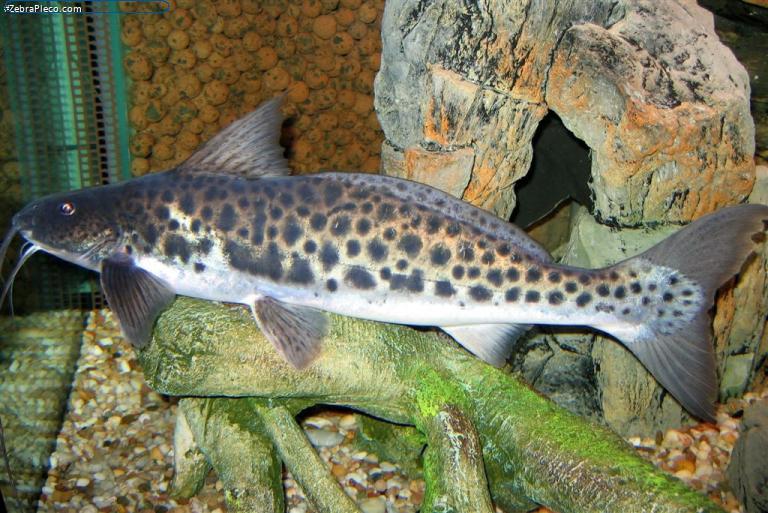
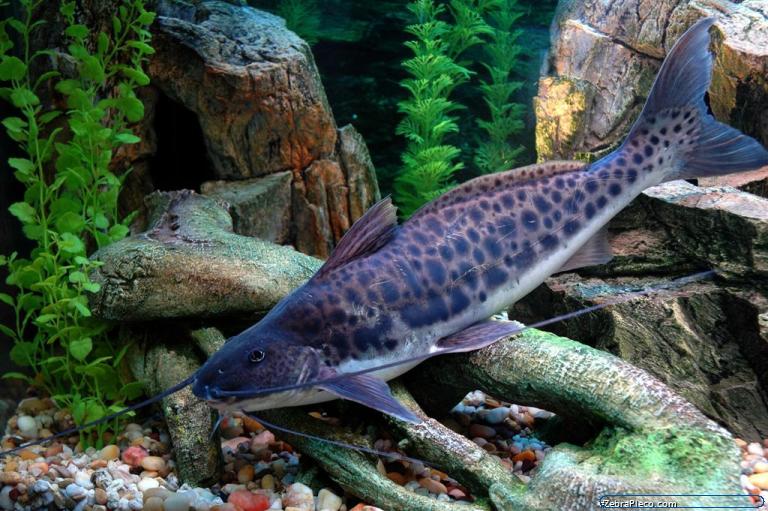
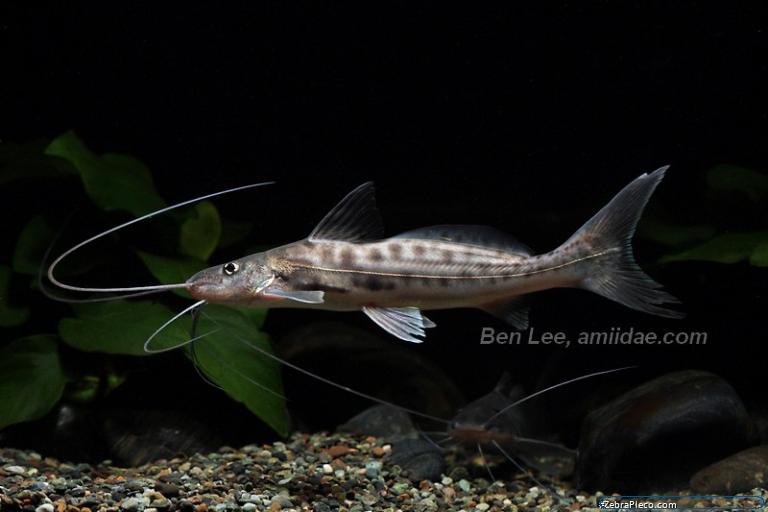
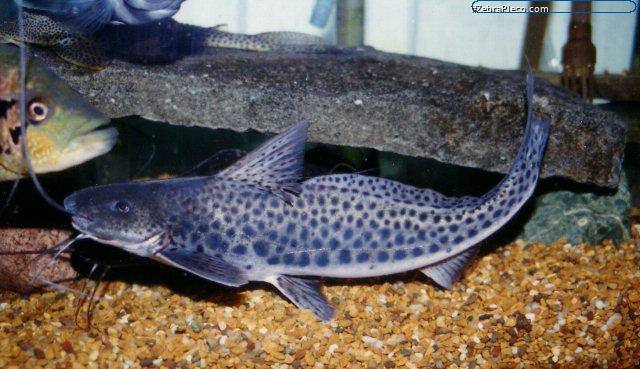
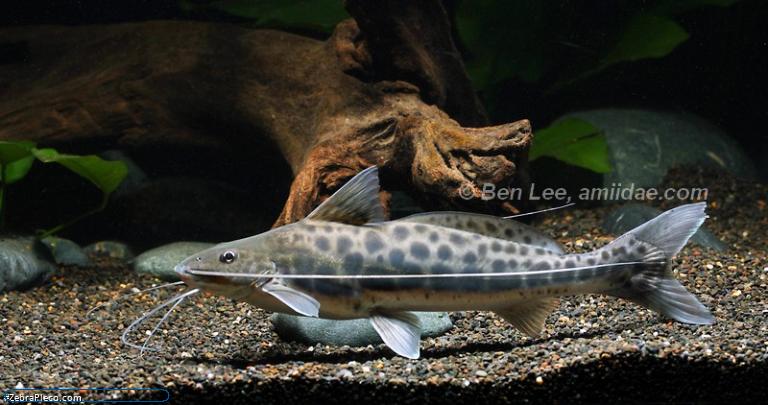
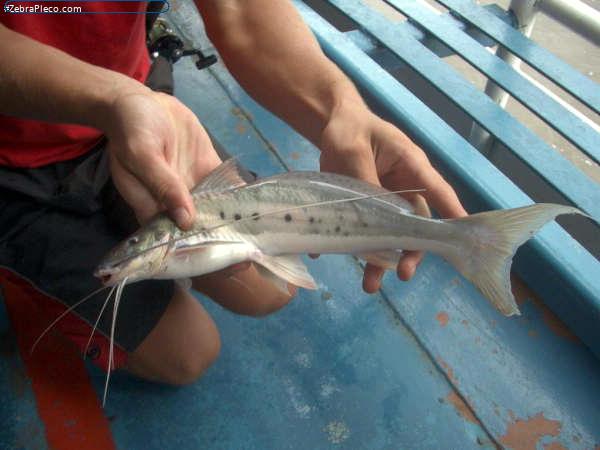
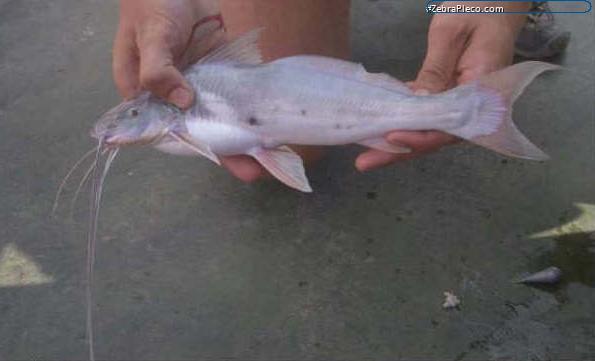
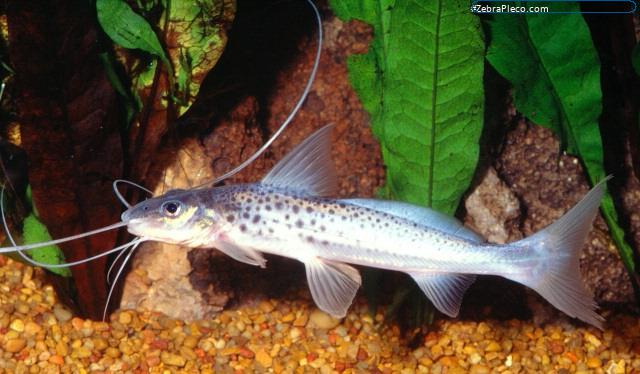
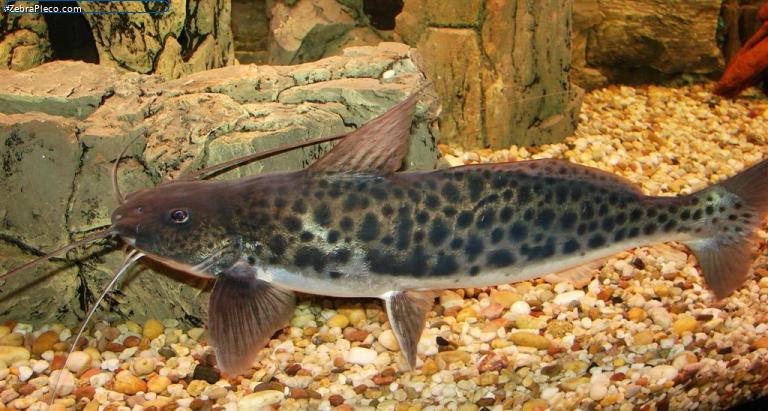
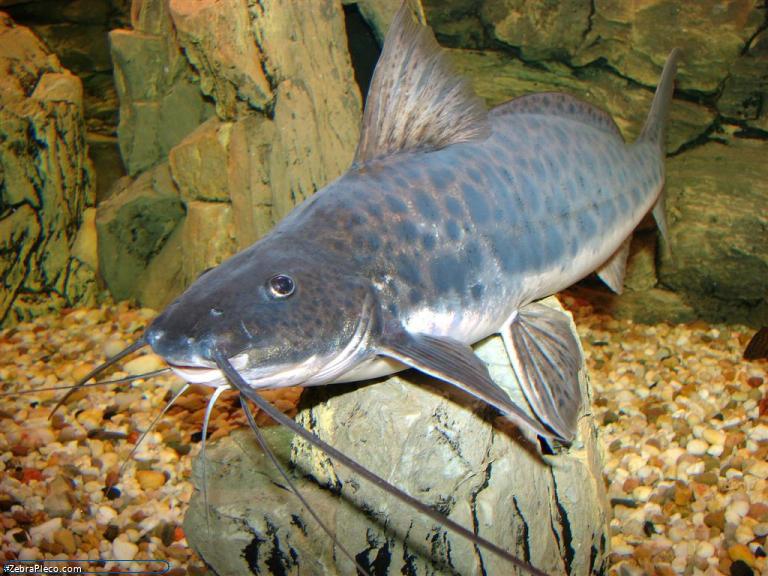
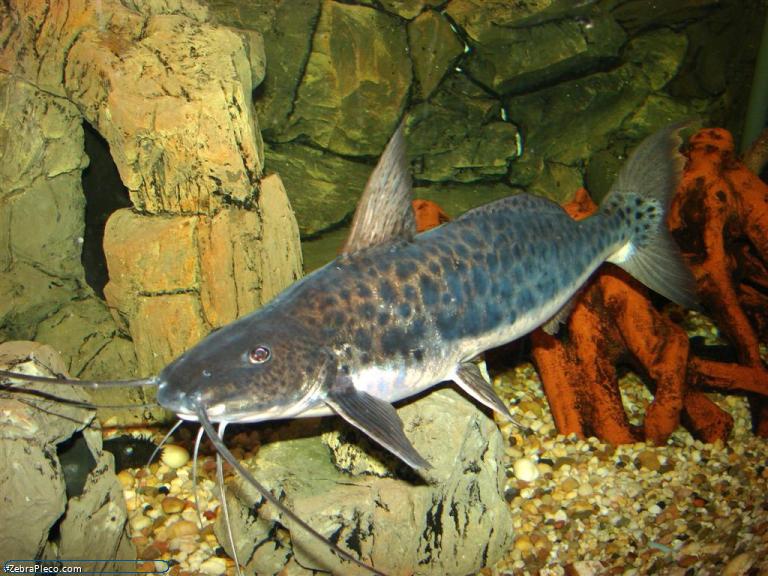
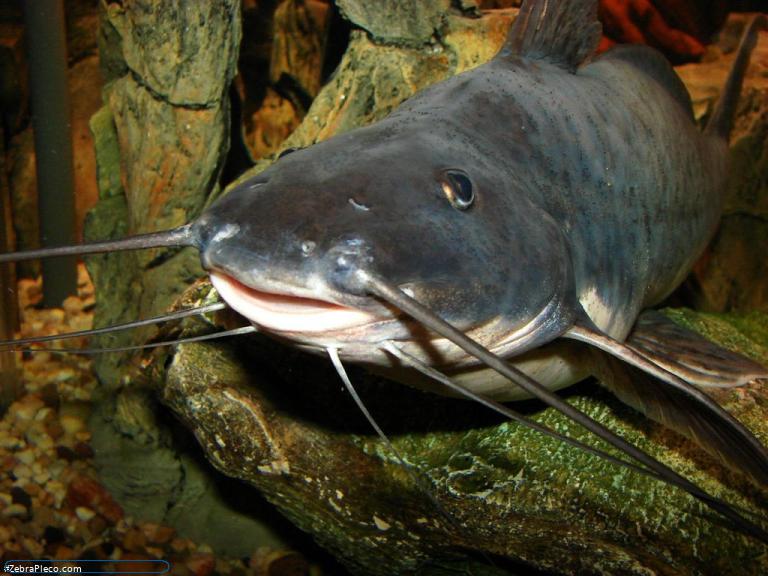
Photographs, diagnostic angles and morphological variants
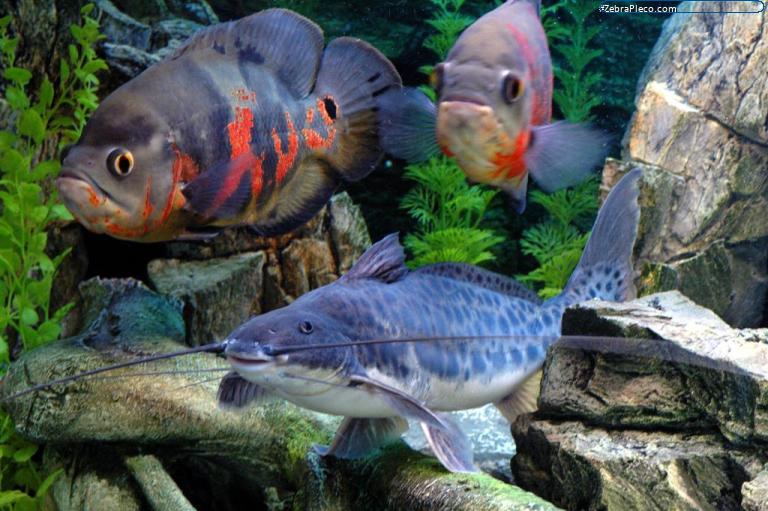
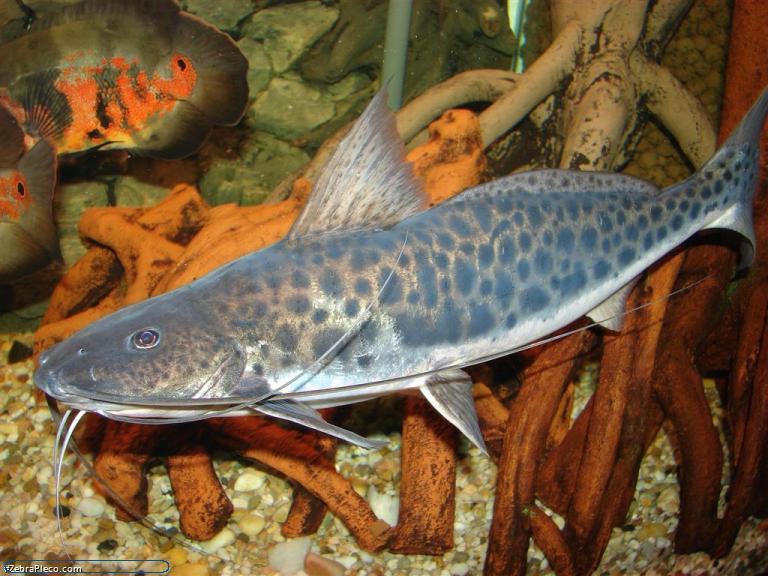
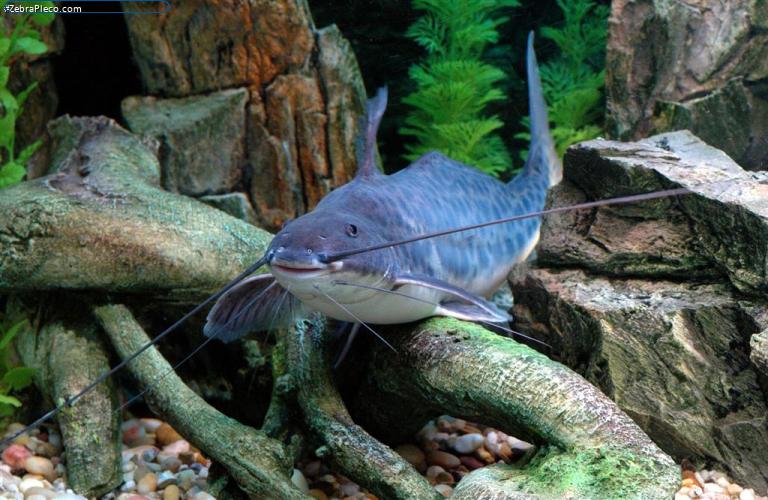
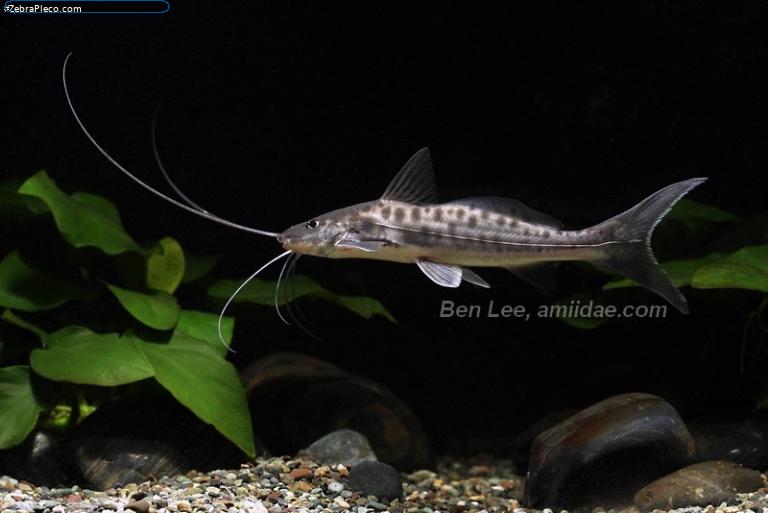
Community & Keeper Tally
Member interactions, breeding records and forum mentions
Aquarium Care & Husbandry
Dietary requirements, tank setup, compatibility and breeding
Feeding & Diet
An adaptable carnivore as the common name, 'vulture catfish' applies. [View Member Food Stats]
Aquarium Furniture & Decor
Comfortable in almost any environment, including sturdy planted aquaria, provided it has sufficient hiding places.
Compatibility & Suggested Tankmates
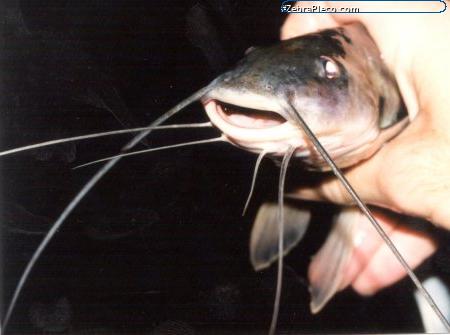
A true scavenger that is also a vicious predator. Its unique dentition allows it to bite other fishes and remove chunks of flesh. Often attacks the catch of fishermen while they are hooked or netted. This ability has given the name bagre matchete (machete catfish) in Venezuela and Colombia. They are so vicious in their attacks that they sometimes stay attached even when their prey is removed from the water.
Tankmates should be chosen with great care. While it appears this fish mainly attacks wounded fishes, it certainly has the ability to rip any tankmate to shreds should it desire to do so.
Tankmates: Armoured loricariids and doradids, larger fish such as cichlids.
Breeding Notes
Unreported in the aquarium.
Habitat & Water Parameters
Natural distribution, biotope water conditions and temperature ranges
Geographic Distribution
South America: Amazon and Orinoco River basins.
Amazon (click on these areas to find other species found there)
Amazon, Middle Amazon (Solimoes), Purus, Caeté (Acre) (click on these areas to find other species found there)
Amazon, Lower Amazon, Nhamundá (click on these areas to find other species found there)
Amazon, Middle Amazon (Solimoes), Madeira, Canumã, Sucundurí (click on these areas to find other species found there)
Amazon, Juruá Imported (click on these areas to find other species found there)
Login to view the map.
Species Description & Identification
Morphology, diagnostic traits and sexual dimorphism
Identification
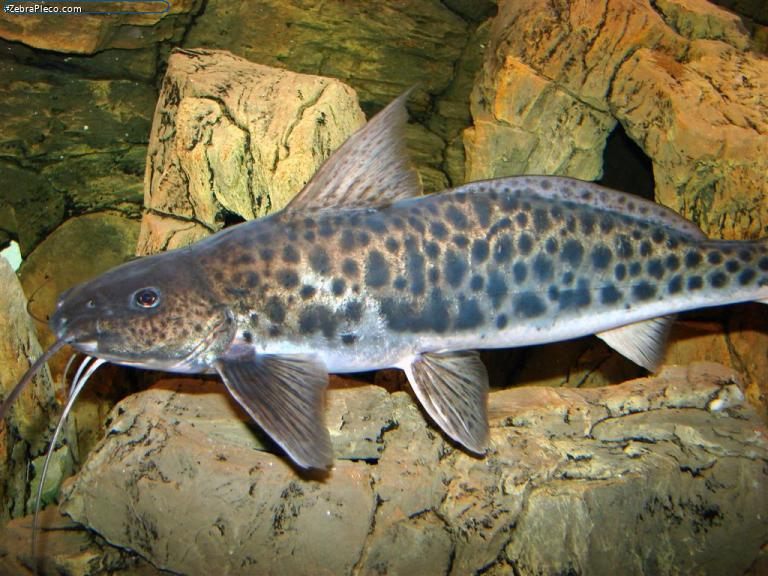
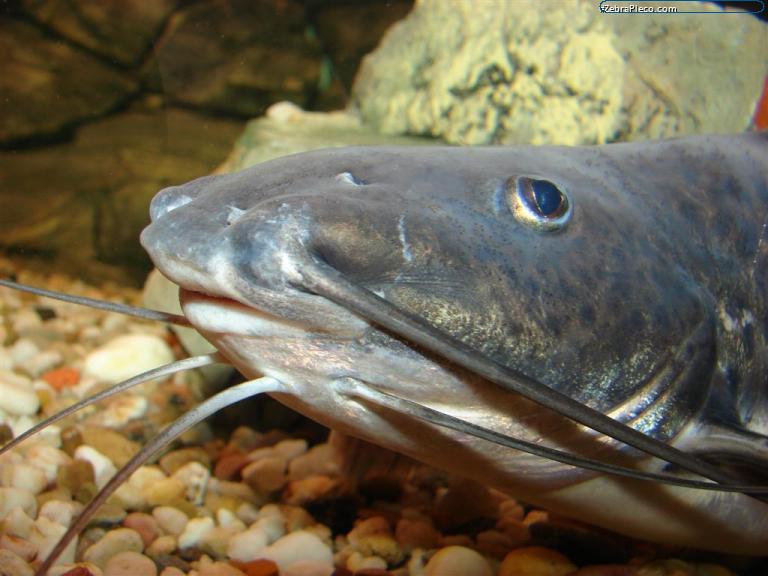
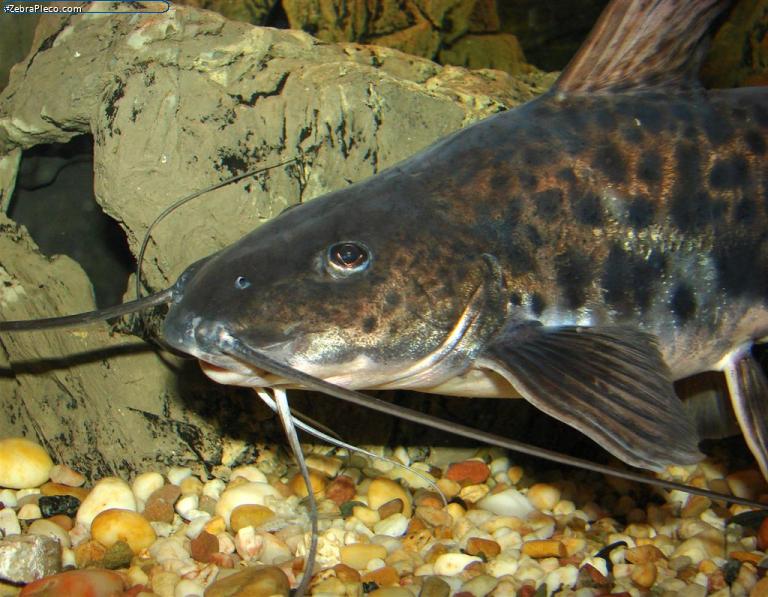
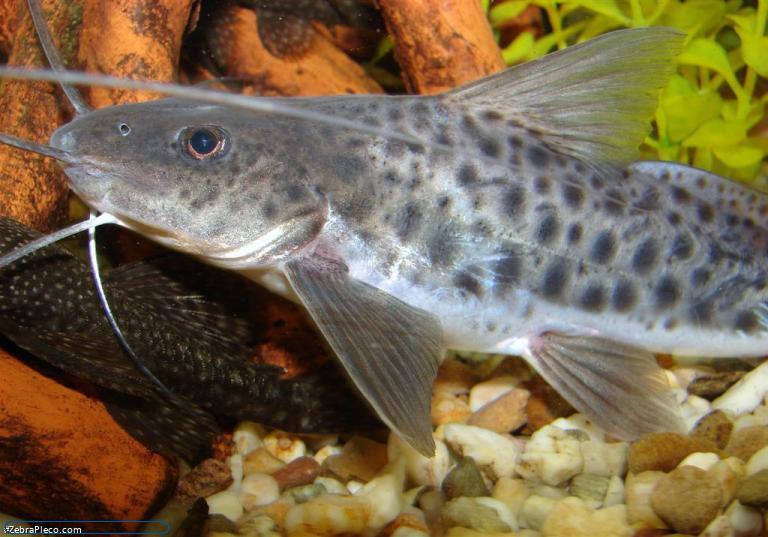
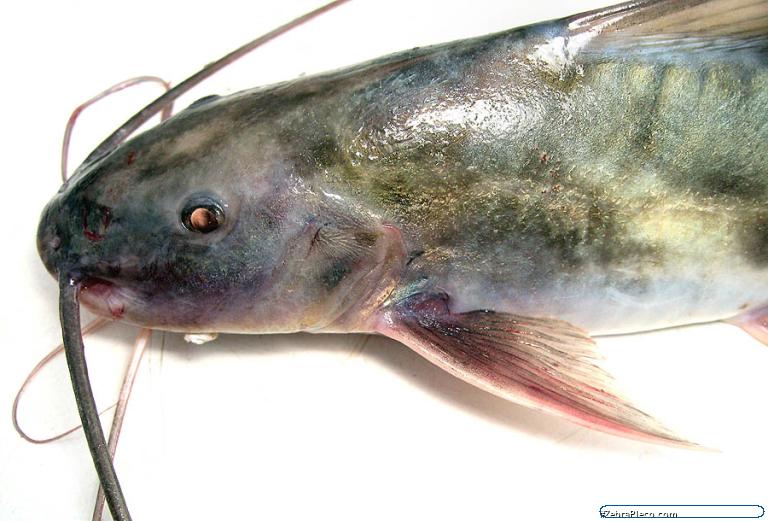
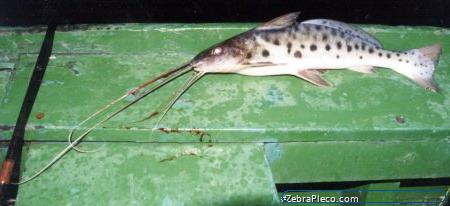
Body somewhat elongate and head broad. Eyes superior. Barbels flattened with maxillary pair extending past the end of the adipose fin. First dorsal and pectoral fin rays are 'soft'. Number of spots on the body varies greatly between populations.
General Remarks
This fish has at times been placed in its own family, the Calophysidae. Although it externally looks much like other pimelodids its unique dentition, different positioning of the fins from other pimelodids, and reduced and encased swim bladder make it a distant relative of the other pimelodids.
Taxonomy, Synonyms & Etymology
Classification history, linguistic derivations and variant forms
Synonyms
Pimeletropis lateralis, Pimeletropsis lateralis, Pimelodes macropterus, Pimelodus ctenodus, Pimelodus macropterus
Pronunciation
- mack row terr uss
Etymology
There are 8 other speciesAcheilognathus macropterus
Bagrichthys macropterus
Centrarchus macropterus
Chiloglanis macropterus
Chrysichthys macropterus
Creteuchiloglanis macropterus
Hemibagrus macropterus
Scleromystax macropterus with this specific name.
Literature & Resources
Scientific publications, external links and citation tools
Description Reference
Zoologisches Magazin (Wiedemann) 1819, v. 1 (pt 3), pp 59.
External Databases
Related Searches