
PAGE_HEADER
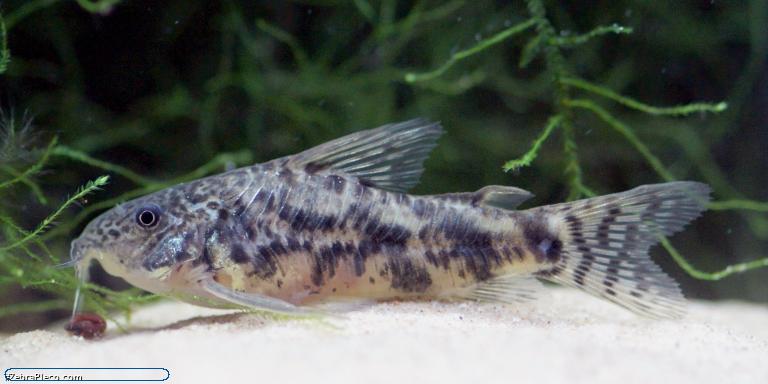
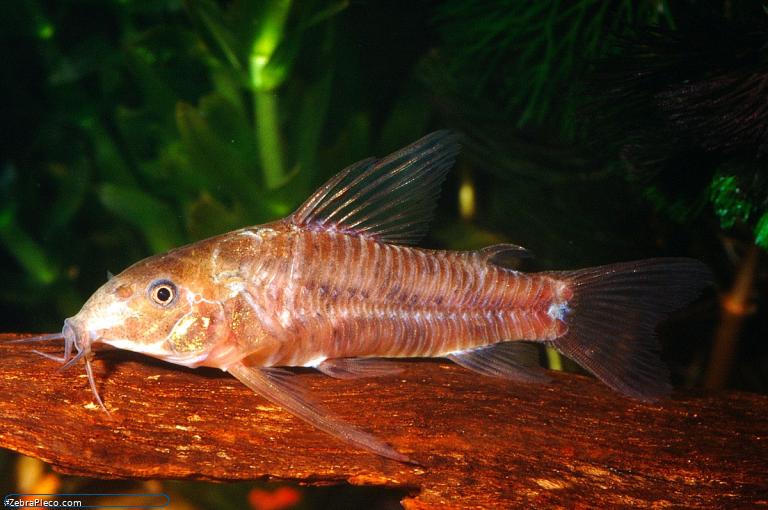
Scleromystax macropterus (Regan, 1913)
Image Showcase
Photographs, diagnostic angles and morphological variants
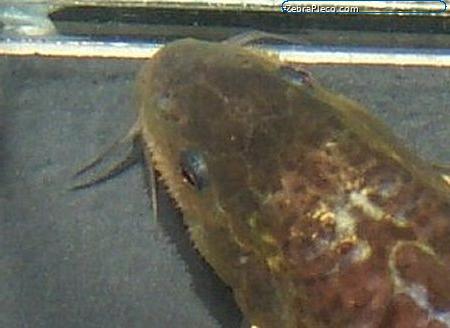
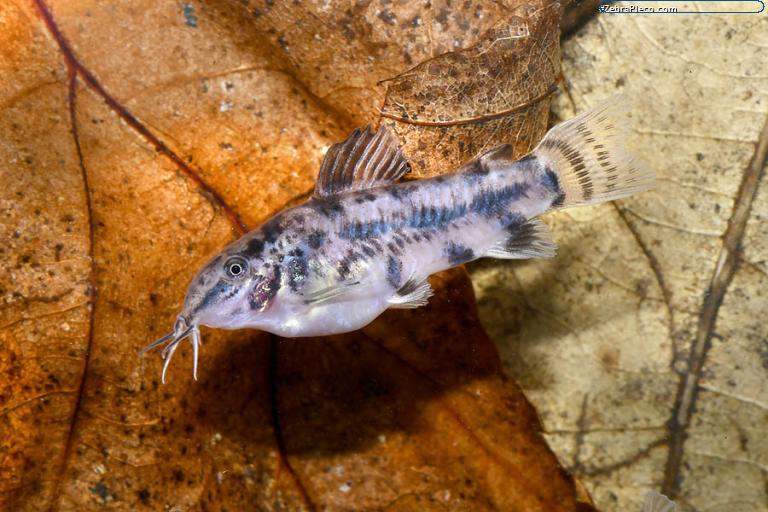
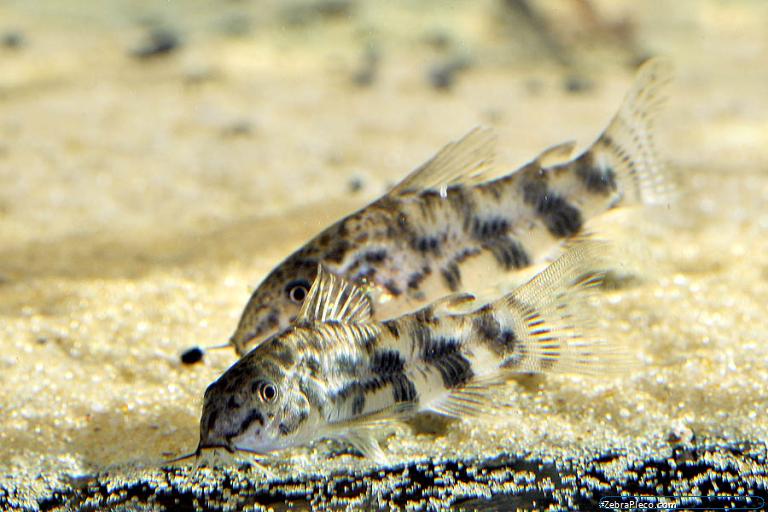
Community & Keeper Tally
Member interactions, breeding records and forum mentions
Aquarium Care & Husbandry
Dietary requirements, tank setup, compatibility and breeding
Feeding & Diet
Will readily accepted all prepared foods that reach the bottom of the aquarium such as tablets, granules and larger flakes. Live (or frozen) foods such as bloodworm, white worm, grindal worm (Enchytraeus), Daphnia and Tubifex are readily accepted and good for conditioning groups of fishes for spawning. [View Member Food Stats]
Aquarium Furniture & Decor
Smooth pebbles and sand with bogwood and dried beech or oak leaves to leech tannins into the water. Plants can be used but are not necessary.
Compatibility & Suggested Tankmates
Peaceful community tank inhabitant although it's water requirements (cool blackwater) tend to limit selection somewhat. If the aim is not reproduction then these fish will tolerate higher pH closer but still below neutral. Mature males will fight often inflicting significant damage, keep in a large area or overcrowd them to avoid this. Ratios of males to females does not seem to avert this behaviour. Overcrowded small tanks will require meticulous water management.
Breeding Notes
Has been bred in the aquarium.
Habitat & Water Parameters
Natural distribution, biotope water conditions and temperature ranges
Geographic Distribution
South America: Coastal rivers from São Paulo to Santa Catarina, Brazil and some upper Paraná River tributaries.
Sao Paulo State Rivers, Itanhaém, Preto (SP, Itanhaém) (click on these areas to find other species found there)
Santa Catarina State Rivers (click on these areas to find other species found there)
Sao Paulo State Rivers (click on these areas to find other species found there)
La Plata, Paraná, Upper Paraná (click on these areas to find other species found there)
Sao Paulo State Rivers, Itanhaém Imported (click on these areas to find other species found there)
Santa Catarina State Rivers, Itapocu Imported (click on these areas to find other species found there)
Login to view the map.
Species Description & Identification
Morphology, diagnostic traits and sexual dimorphism
Identification
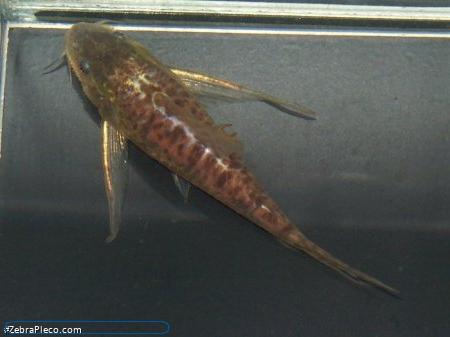
A reasonably easy species to ID when adult due to the finnage. Generally more elongate than similarly patterned species. Females may be confused with other species.
Sexual Dimorphism (Sexing)
This species' males have (very obvious) longer pectoral and dorsal fins.
Taxonomy, Synonyms & Etymology
Classification history, linguistic derivations and variant forms
Synonyms
Corydoras bertoni, Corydoras macropterus
Pronunciation
ss KLER oh muss tax - mah CROPP terr uss
Etymology
Scleromystax: From the Greek sclero meaning hard and the Latin mystax meaning moustache. This specific epithet refers to its long (makros=long) feather-like fins (pteron=feather, fin).
There are 8 other speciesAcheilognathus macropterus
Bagrichthys macropterus
Calophysus macropterus
Centrarchus macropterus
Chiloglanis macropterus
Chrysichthys macropterus
Creteuchiloglanis macropterus
Hemibagrus macropterus with this specific name.
Literature & Resources
Scientific publications, external links and citation tools
Description Reference
Annals and Magazine of Natural History (Series 8) v. 11 (no. 62), pp 232.
External Databases
Related Searches

