PAGE_HEADER
Asterophysus batrachus Kner, 1858
Image Showcase
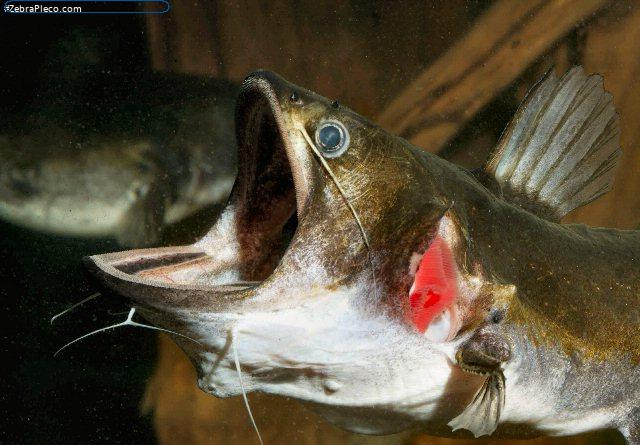
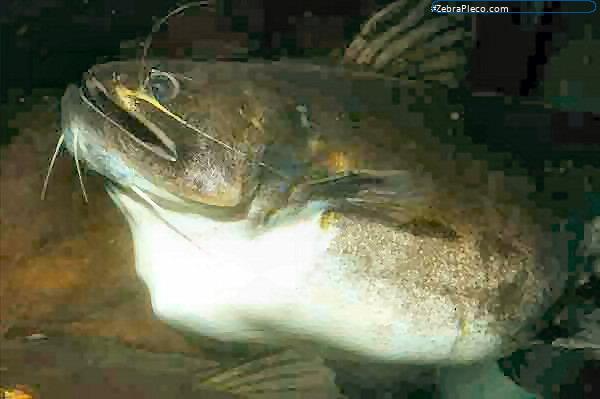
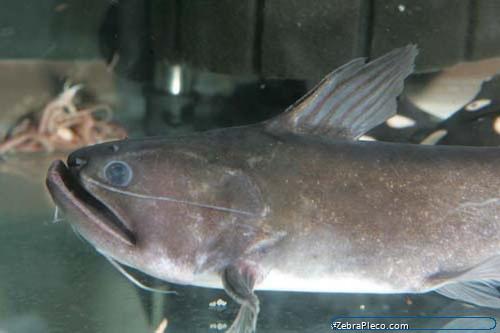
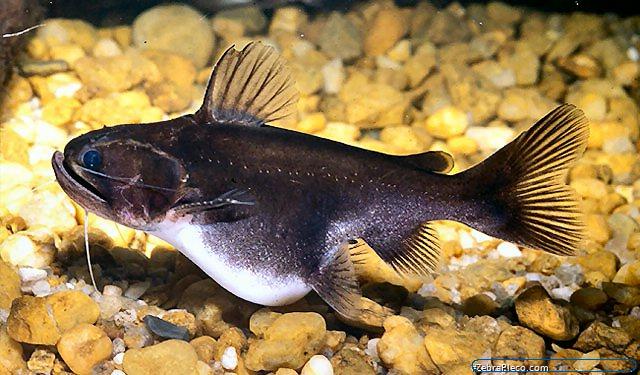
Photographs, diagnostic angles and morphological variants
Community & Keeper Tally
Member interactions, breeding records and forum mentions
Aquarium Care & Husbandry
Dietary requirements, tank setup, compatibility and breeding
Feeding & Diet
These fish will literally try and eat anything. Krill appears a real favourite, but all foods are accepted. The fish becomes more active during the day when not recently fed, feeding should be as with large pimelodids, less and less frequent with age. You would expect to feed an adult weekly. This may not be possible in tanks where the fish is kept with other species and so the fish should be fed smaller regular portions of food which may reduce its activity during the day. [View Member Food Stats]
Aquarium Furniture & Decor
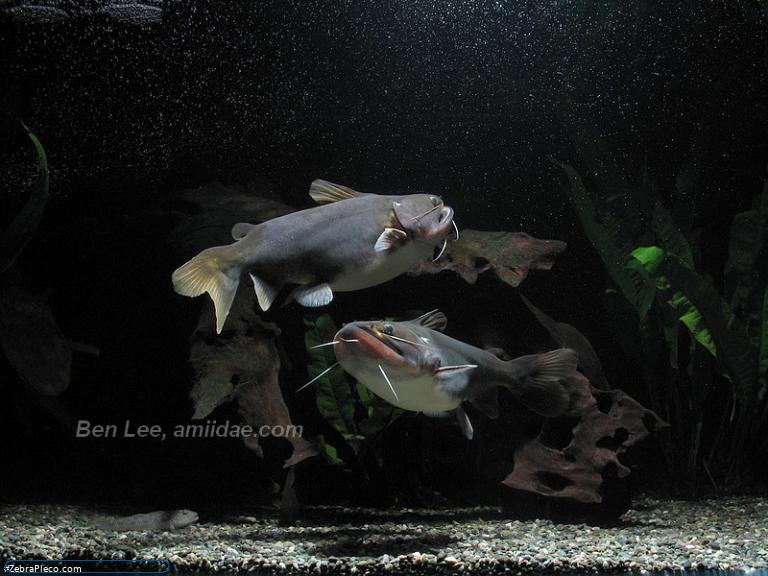
The fish like to rest and hide in driftwood piles during the day but should be given at least 3 quarters of the aquarium as open swimming room for nocturnal prowling. Tall plants can also be used to coax the fish out during daylight feeding time in less stark surroundings. Choice of substrate is unimportant.
Compatibility & Suggested Tankmates
Obviously care is required in housing fish with this species. Fish large enough not to be eaten but non-predatory to the point they will not eat the Asterophysus.
Tankmates: Fish large enough not to be eaten (amazingly for this species, this means at least twice the size of the Asterophysus, larger is less risky) but non-predatory to the point they will not eat the Asterophysus. Larger characins, doradids and loricariids are probably the best bet.
Breeding Notes
Unreported in the aquarium.
Habitat & Water Parameters
Natural distribution, biotope water conditions and temperature ranges
Geographic Distribution
South America: Orinoco and Negro River basins.
Amazon, Middle Amazon (Solimoes), Negro (click on these areas to find other species found there)
Orinoco (click on these areas to find other species found there)
Amazon, Middle Amazon (Solimoes), Negro Imported (click on these areas to find other species found there)
Login to view the map.
Species Description & Identification
Morphology, diagnostic traits and sexual dimorphism
Identification
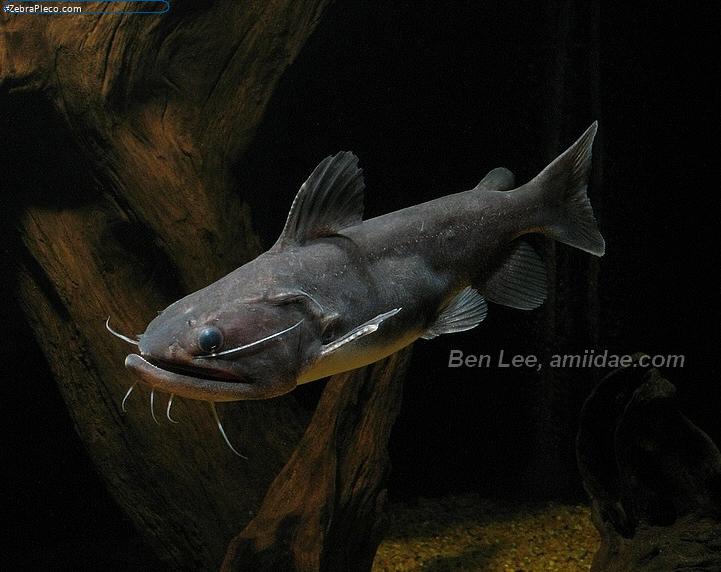
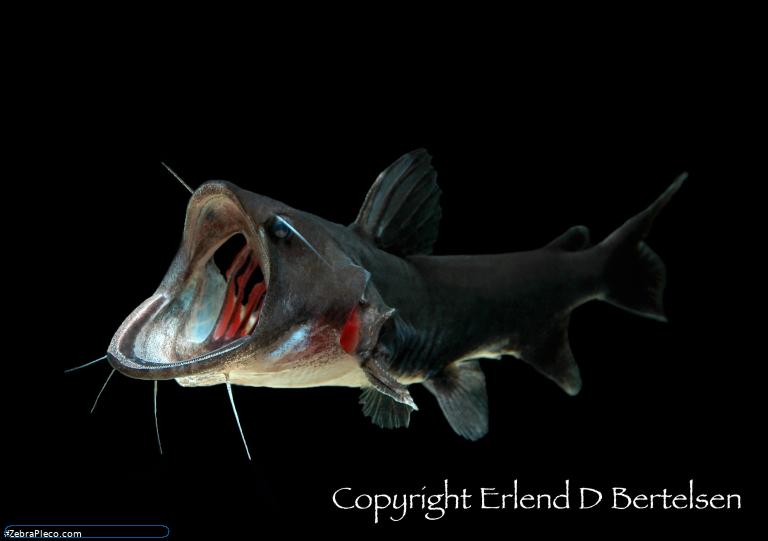
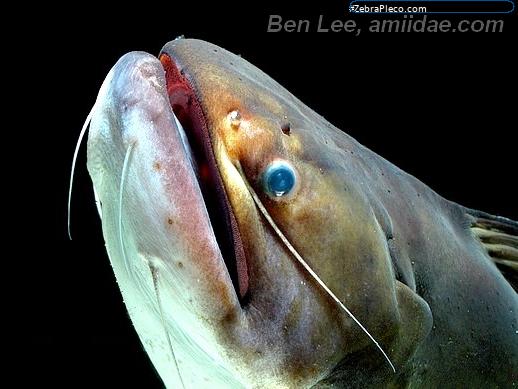
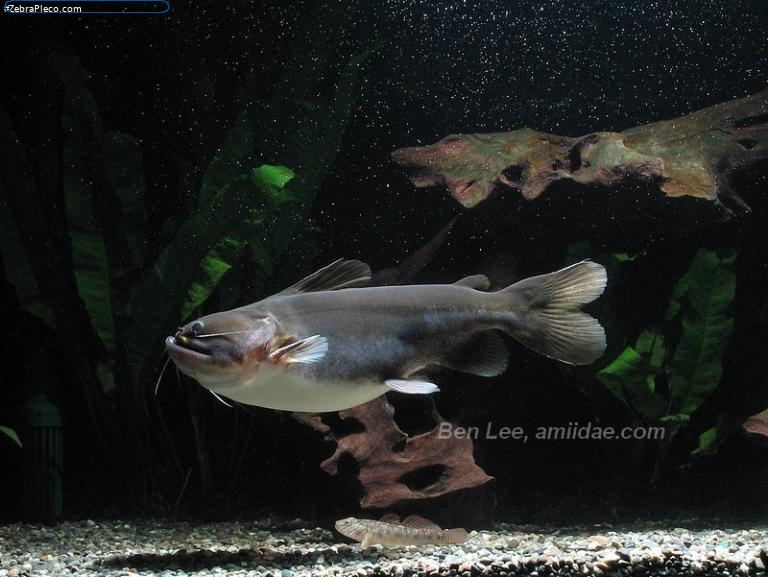
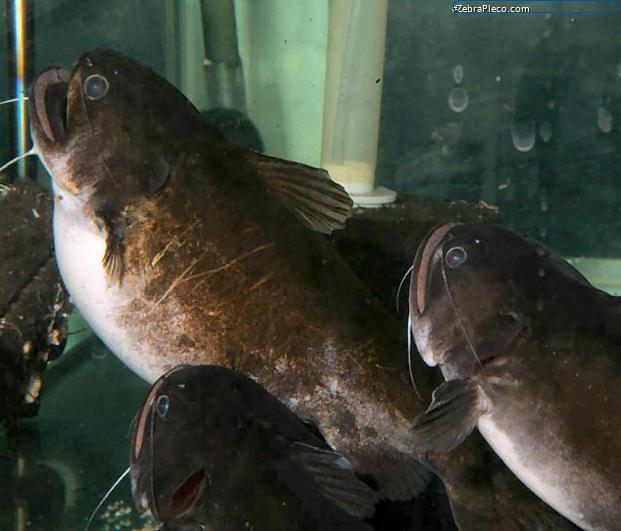
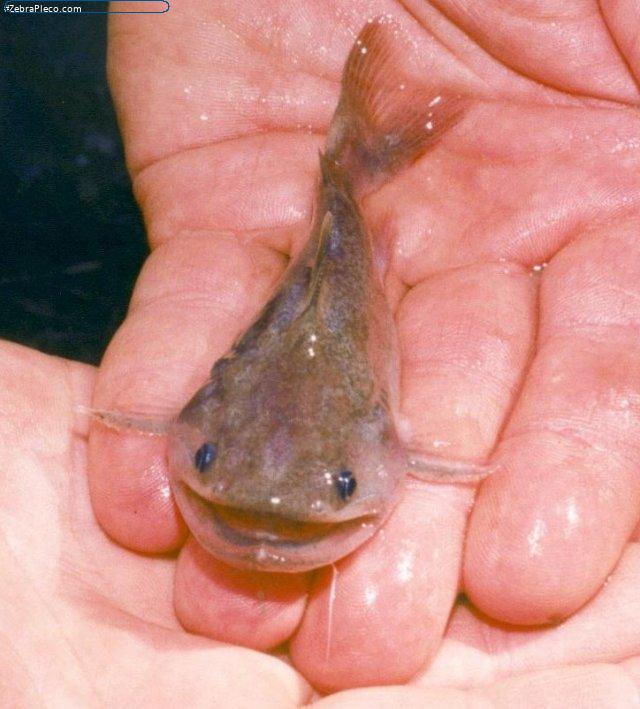
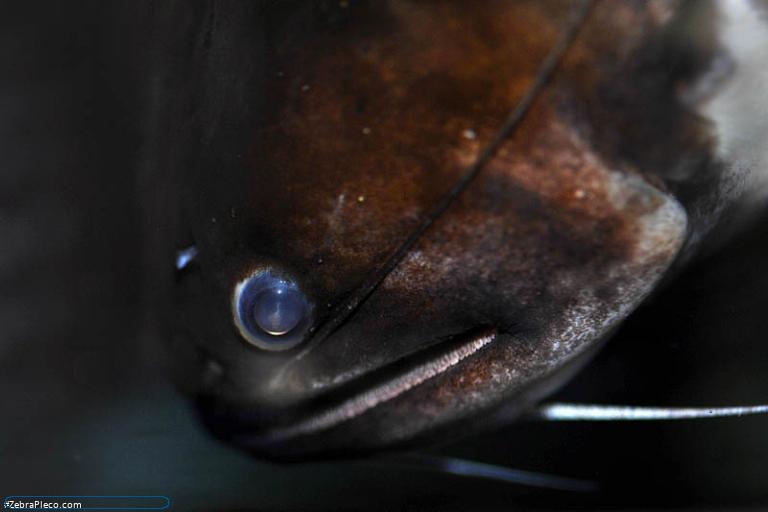
The trapdoor like 'salmonesque' lower jaw is this species best external / visual characteristic.
Sexual Dimorphism (Sexing)
The leading rays of the male's anal fin are fused to form a urinogenital organ used (at least in related genera) in internal fertilisation of the female. This modification of the anal fin does not manifest itself until the male is approaching adulthood.
Taxonomy, Synonyms & Etymology
Classification history, linguistic derivations and variant forms
Pronunciation
Ass TERR oh fye suss - bat RACK uss
Etymology
Asterophysus: From the Greek aster, meaning star and physa, meaning bellows; in reference to the blind viliform processes around the periphery of the swimbladder characteristic of this genus.
There is 1 other speciesClarias batrachus with this specific name.
Literature & Resources
Scientific publications, external links and citation tools
Description Reference
Sitzungsberichte der Kaiserlichen Akademie der Wissenschaften. Mathematisch-Naturwissenschaftliche Classe v. 26 (s. 373), pp 403 [33], Pl. 5 (figs. 13-15).
External Databases
Related Searches