PAGE_HEADER
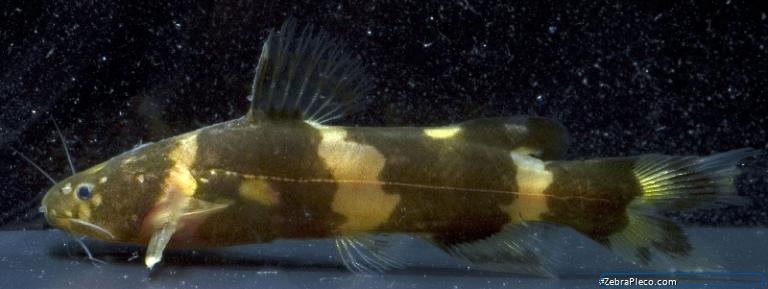
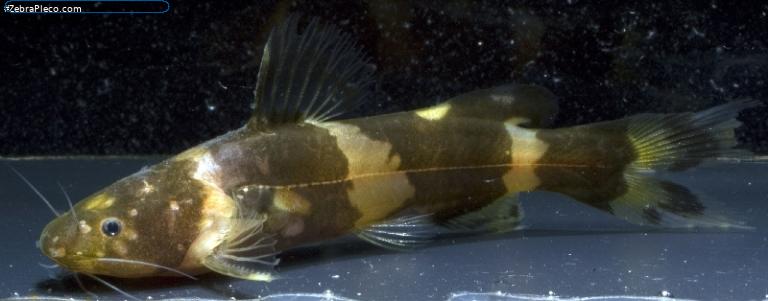
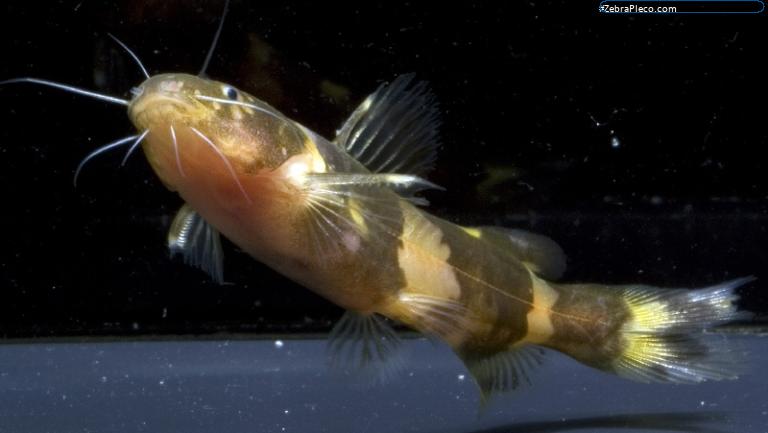
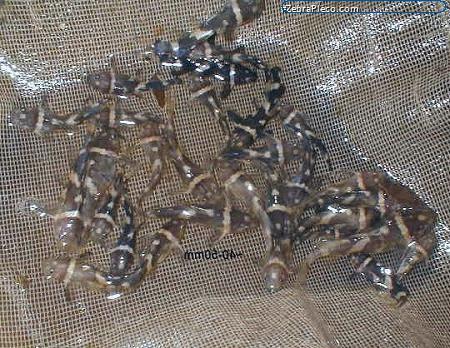
Pseudomystus leiacanthus (Weber & de Beaufort, 1912)
Image Showcase
Photographs, diagnostic angles and morphological variants
Community & Keeper Tally
Member interactions, breeding records and forum mentions
Aquarium Care & Husbandry
Dietary requirements, tank setup, compatibility and breeding
Feeding & Diet
Readily feeds on live/frozen foods and other prepared foods such as pellets. [View Member Food Stats]
Aquarium Furniture & Decor
Provide plenty of driftwood in a heavily-planted tank.
Compatibility & Suggested Tankmates
A peaceful, sociable species that is compatible with most fish. Ideal tankmates are other small Asian fish (barbs, rasboras, gouramies) in a biotope setup.
Breeding Notes
Unreported in the aquarium.
Habitat & Water Parameters
Natural distribution, biotope water conditions and temperature ranges
Geographic Distribution
Asia: Malay Peninsula to Borneo.
Pacific, Malaysia Waters, Peninsular Malaysia Waters (click on these areas to find other species found there)
Singapore waters (click on these areas to find other species found there)
Pacific, Greater Sunda Island Rivers, Sumatra Waters (click on these areas to find other species found there)
Login to view the map.
Species Description & Identification
Morphology, diagnostic traits and sexual dimorphism
Identification
Members of the bagrid genus Pseudomystus are small- to mid-sized freshwater catfish endemic to Southeast Asia.Pseudomystus are commonly found in swamps and rivers throughout Southeast Asia. They can be differentiated from Leiocassis by a relatively short snout and a subterminal mouth. Many Pseudomystus have a color pattern of contrasting vertical bars or blotches.
Distinguished by the rounded caudal-fin lobes and short maxillary barbels (not longer than head).
Has sometimes been misidentified as P. rugosus.
Sexual Dimorphism (Sexing)
Males are more slender and possess an elongate genital papilla in front of the anal fin.
Taxonomy, Synonyms & Etymology
Classification history, linguistic derivations and variant forms
Synonyms
Leiocassis leiacanthus, Pseadomystus leiacanthus
Pronunciation
SUE doh MIST uss - lay ah kan thess
Etymology
From the Greek pseudos, meaning lie, and mystus, a genus of bagrid catfishes. In reference to the overall similarity of the two genera. The specific epithet comes from the Greek leios, meaning smooth and akantha, meaning thorn; in reference to the smooth dorsal spine.
There are 3 other speciesClarias leiacanthus
Hyalobagrus leiacanthus
Ompok leiacanthus with this specific name.
Literature & Resources
Scientific publications, external links and citation tools
Literature & References
External Databases
Related Searches