PAGE_HEADER
Pterodoras granulosus (Valenciennes, 1821)
Image Showcase
Photographs, diagnostic angles and morphological variants
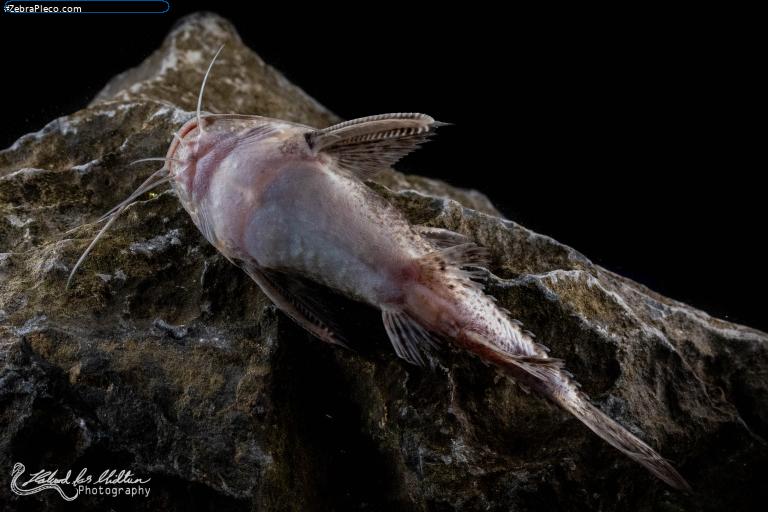
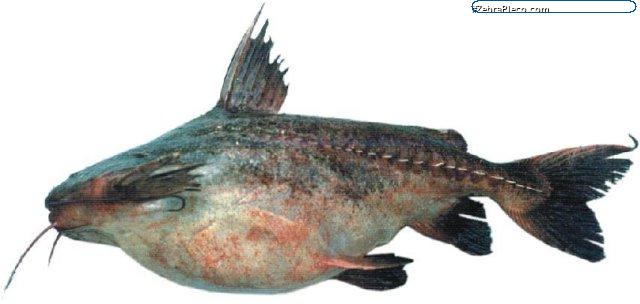
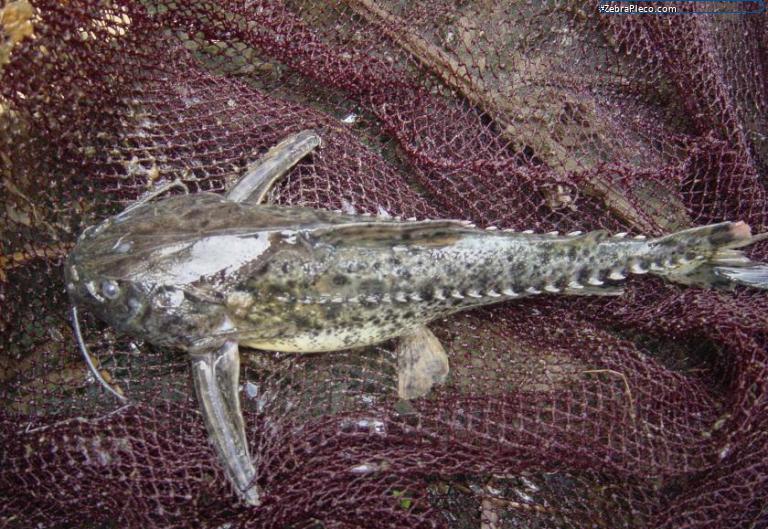
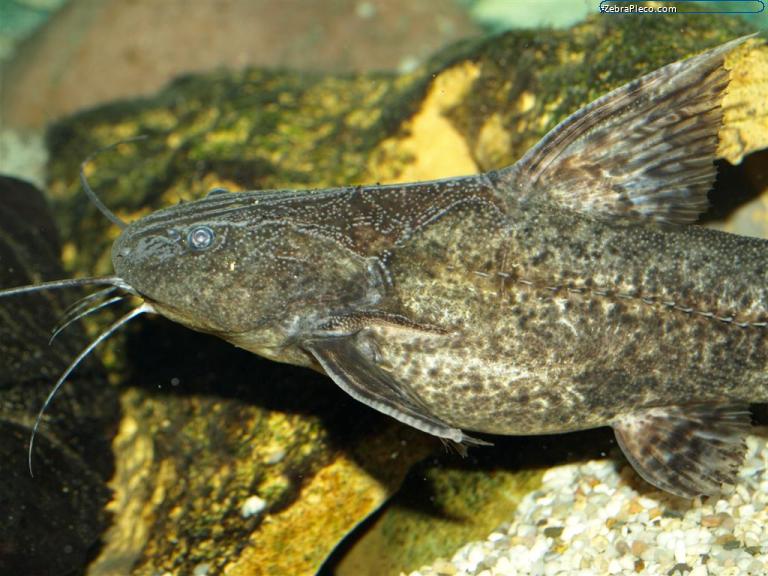
Community & Keeper Tally
Member interactions, breeding records and forum mentions
Aquarium Care & Husbandry
Dietary requirements, tank setup, compatibility and breeding
Feeding & Diet
Omnivore feeding on a very mixed and varied diet including catfish pellets, earthworms, whole prawns, mussels, floating sticks/pellets and snails. In their natural environment they would feed upon snails, aquatic plants and fruits.
See also natural feeding behaviour paper in the references section. [View Member Food Stats]
Aquarium Furniture & Decor
Large pieces of bogwood are ideal. Large diameter pipe can be used but it should be large enough for the catfish to easily fit in without becoming stuck. I have managed to create two shady areas within my tropical pond, by covering the ends with decking, where these catfish prefer to hide until feeding time.
Compatibility & Suggested Tankmates
Ideally suited to life with other large fish. These catfish are not predatory but would mistakenly take a smaller fish if hungry.
Tankmates: Other large catfish such as Leiarius, Megalodoras, Oscars and larger characins.
Breeding Notes
There are no known aquarium spawnings of this catfish. This is most likely due to the size that these fish can attain and hence the subsequent size of aquarium in which to spawn them.
Habitat & Water Parameters
Natural distribution, biotope water conditions and temperature ranges
Geographic Distribution
South America: Amazon and Paraná River basins and coastal drainages in Guyana and Suriname.
Amazon (click on these areas to find other species found there)
La Plata, Uruguay, Lower Uruguay (click on these areas to find other species found there)
La Plata, Paraná (click on these areas to find other species found there)
Amazon, Lower Amazon, Tocantins, Lower Tocantins, Araguaia, Upper Araguaia, Vermelho Imported (click on these areas to find other species found there)
Login to view the map.
Species Description & Identification
Morphology, diagnostic traits and sexual dimorphism
Identification
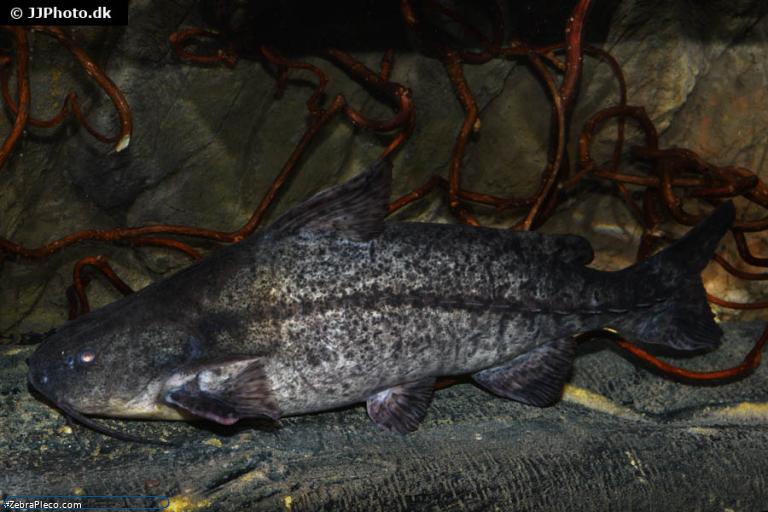
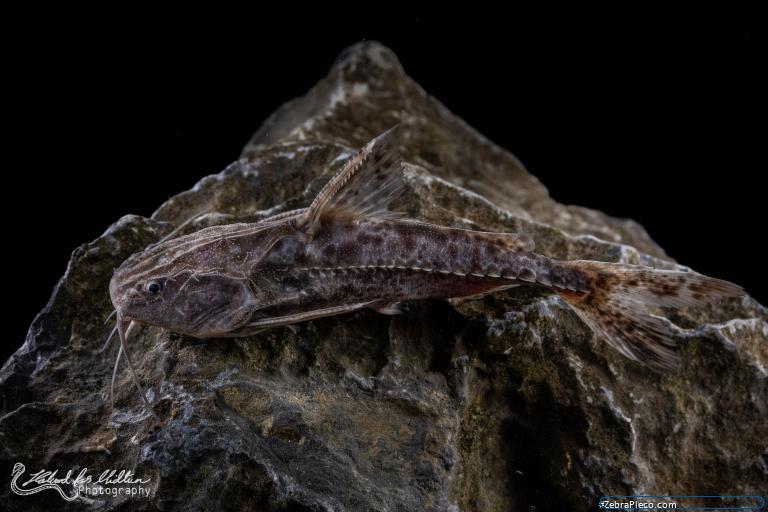
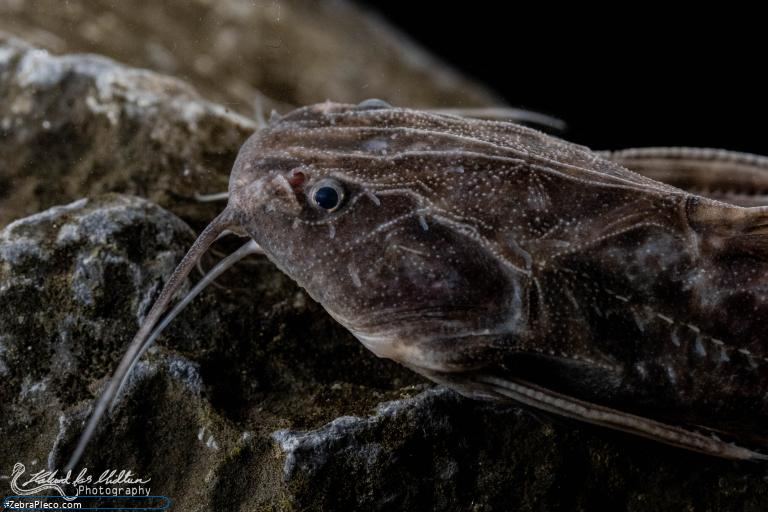
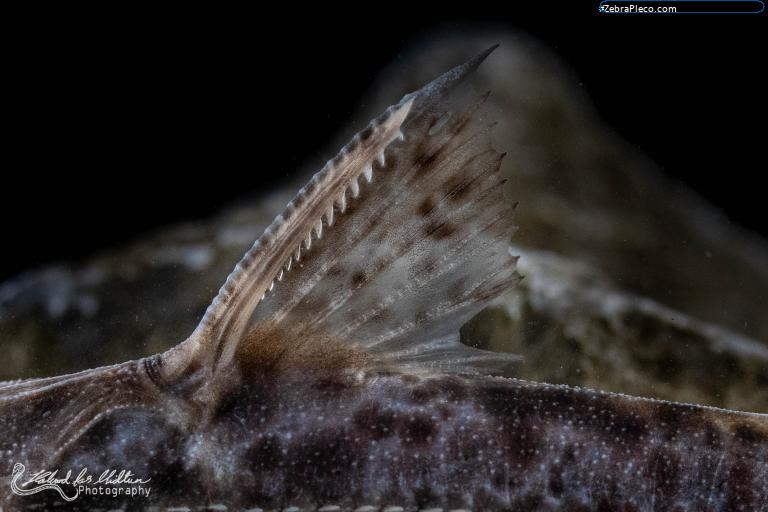
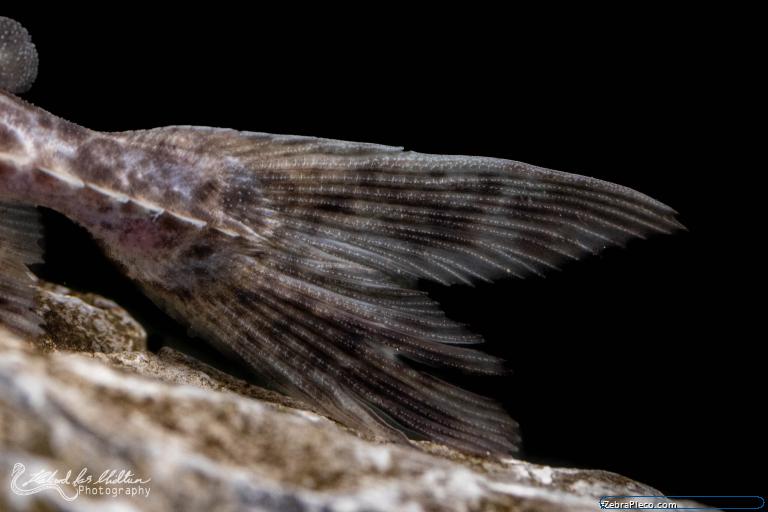
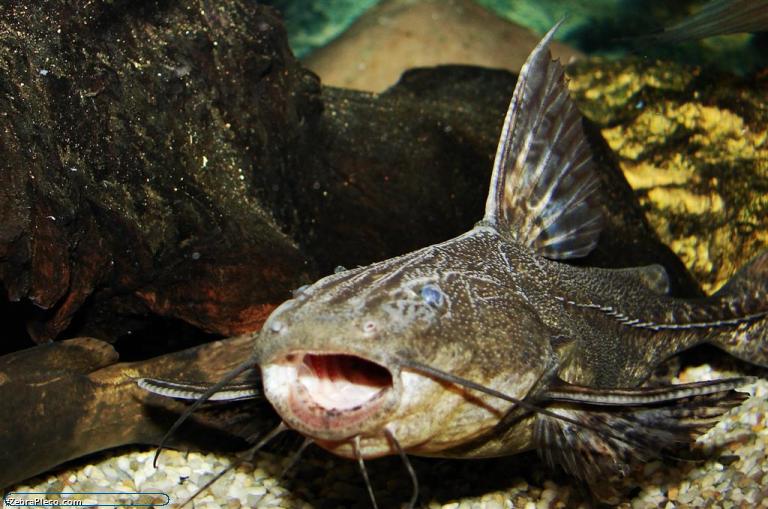
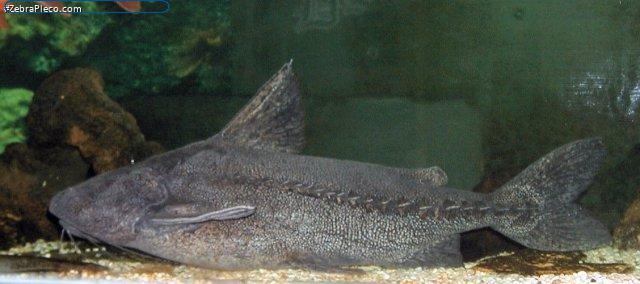
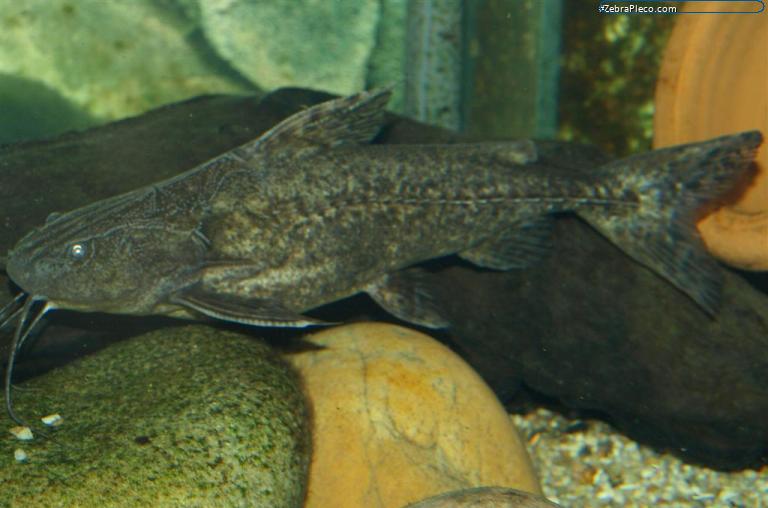
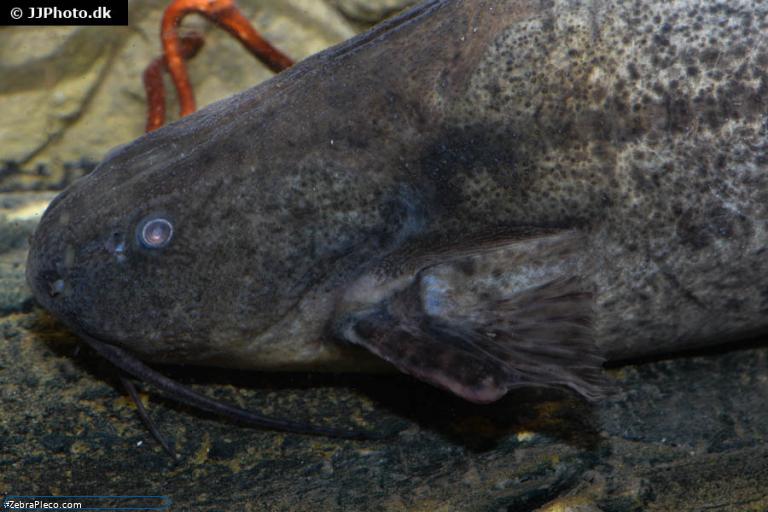
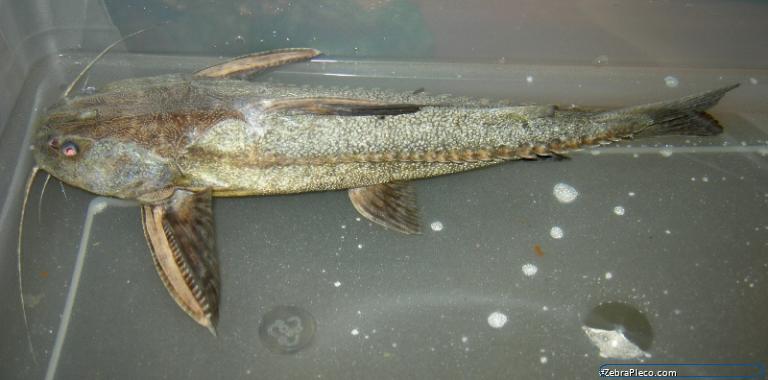
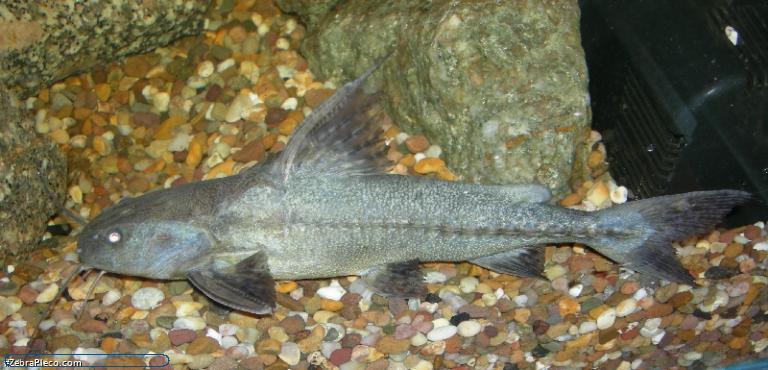
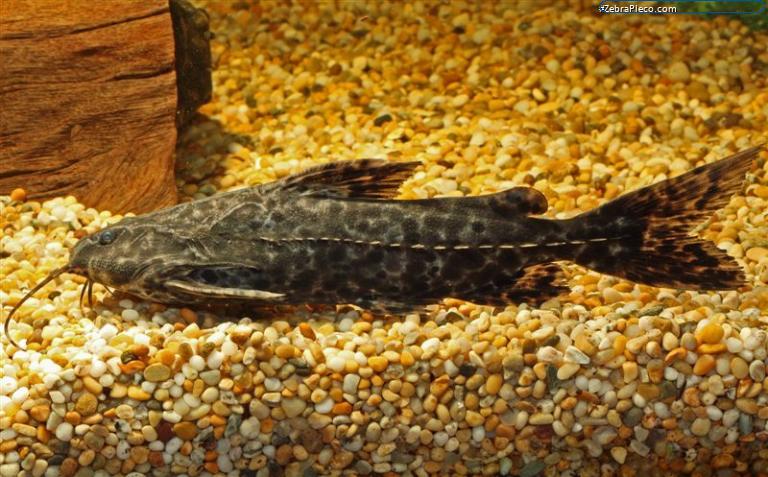
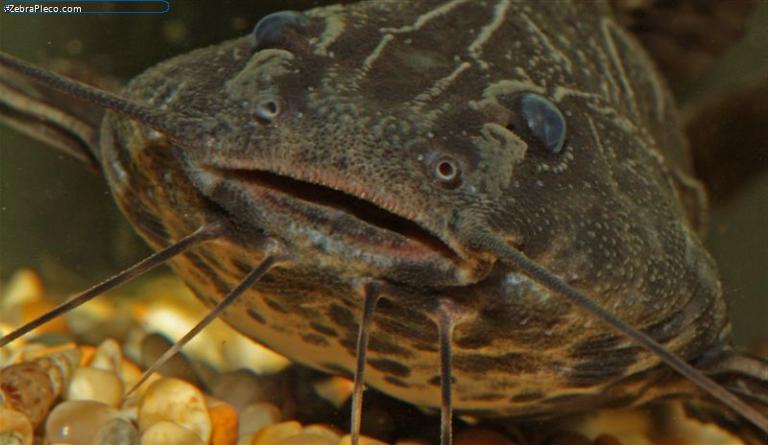
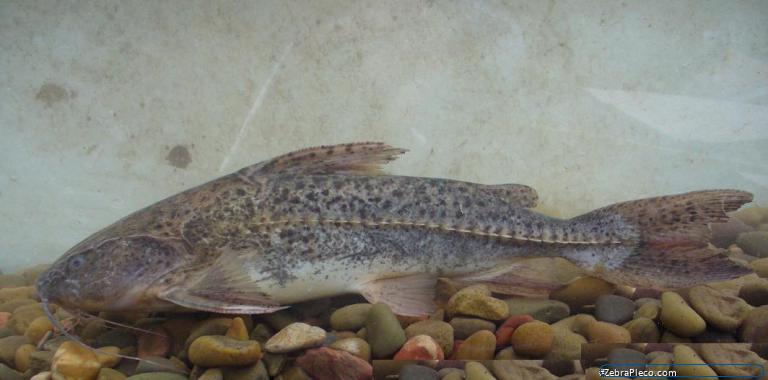
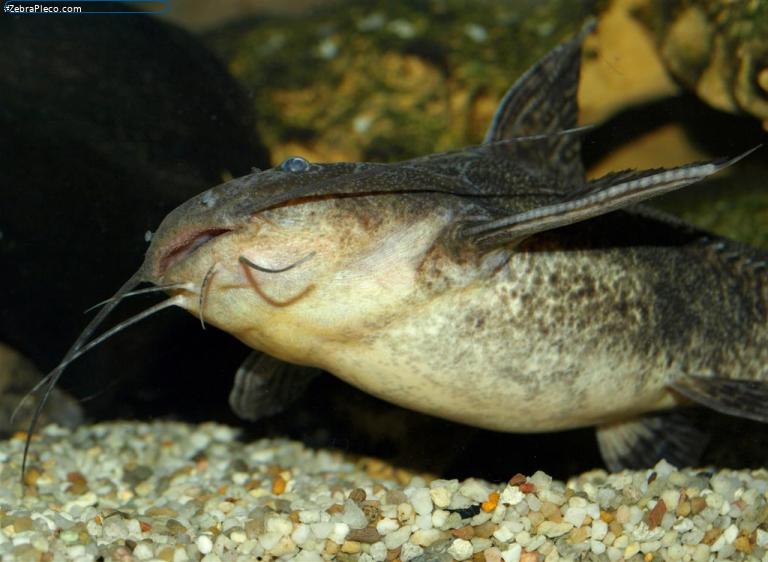
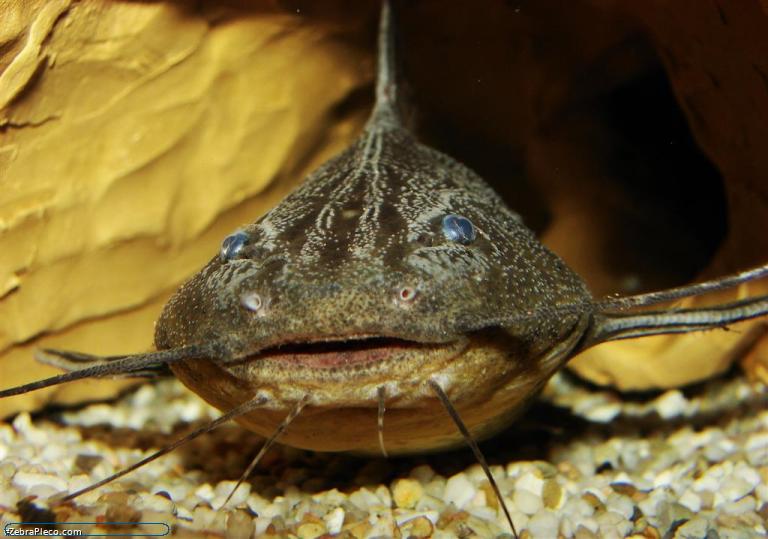
The colour pattern of these catfish varies depending upon the location that they originate from. These fish are usually a muddy-brown colour with some darker spots over the body and fins. As these fish mature the spotting tends to fade. Juvenile specimens tend not to be as dark coloured as adult fish,
Sexual Dimorphism (Sexing)
There are no reported external sexual differences. Personal observation shows that females tend to be more heavily built/robust than the males, which tend to be slender. There may also be differences associated with the structure of the head as with the Synodontis catfish, but further observations need to be made.
Taxonomy, Synonyms & Etymology
Classification history, linguistic derivations and variant forms
Synonyms
Doras granulosus, Doras laevigatulus, Doras lentiginosus, Doras maculatus, Doras murica, Megalodoras laevigatulus, Parapterodoras paranensis, Pterodoras lentiginosus, Silurus 12-radiatus, Silurus armatus, Silurus duodecimradiatus
Pronunciation
- gran you LOW sus
Etymology
Pterodoras: From the Greek pteron, meaning fin, and doras, meaning skin
(also a word commonly used in forming generic names for doradids); in
reference to the forked caudal fin.
There is 1 other speciesSynodontis granulosus with this specific name.
Literature & Resources
Scientific publications, external links and citation tools
Description Reference
Voyage de Humboldt et Bonpland v. 2 (Title page 1833), pp 184.
External Databases
Related Searches