PAGE_HEADER
Synodontis granulosus Boulenger, 1900
Image Showcase
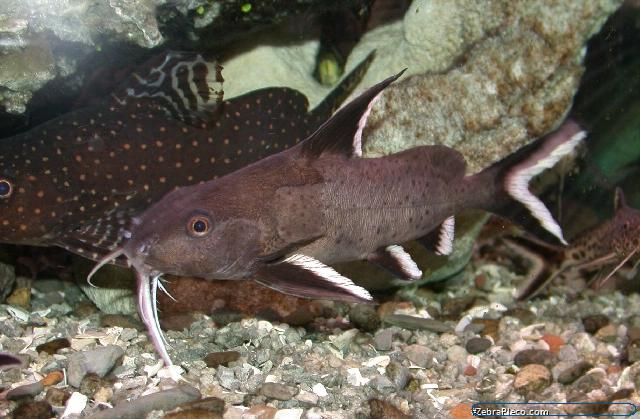
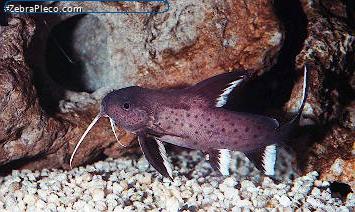
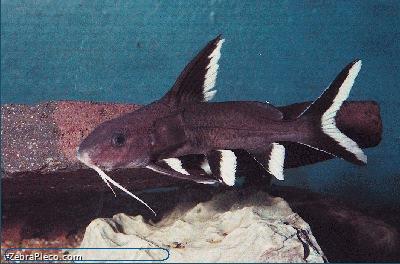
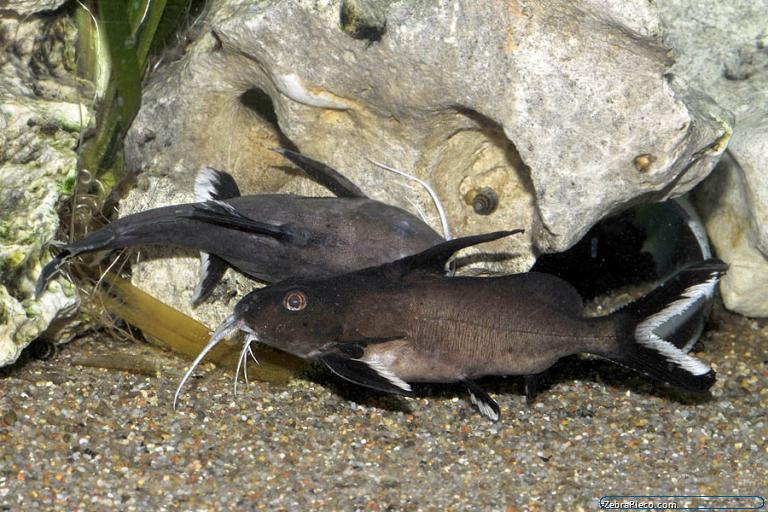
Photographs, diagnostic angles and morphological variants
Community & Keeper Tally
Member interactions, breeding records and forum mentions
Aquarium Care & Husbandry
Dietary requirements, tank setup, compatibility and breeding
Feeding & Diet
Voracious eater that will accept virtually all aquarium food, but prefers meaty foods such as shrimp and clam. Apparently feeds on small molluscs in the wild. [View Member Food Stats]
Aquarium Furniture & Decor
A network of caves formed by piling up rocks, with ample swimming space above. Vallisneria and / or hornwort is optional.
Compatibility & Suggested Tankmates
Best kept in a tank of 125 gallons (500 litres) or more. May become reclusive and aggressive in tanks smaller than 70 gallons (250 litres). May jump out of tank in first few days after initial introduction.
Tankmates: Tanganyikan Synodontis, robust Tanganyikan cichlids and Tanganyika eels.
Breeding Notes
Breeding has been reported by a UK based wholesaler, but no details have been made available. Has also been bred by hormone injection in Eastern Europe.
Habitat & Water Parameters
Natural distribution, biotope water conditions and temperature ranges
Geographic Distribution
Africa: Lake Tanganyika.
African Waters, Western Rift Valley Lakes, Tanganyika (click on these areas to find other species found there)
Login to view the map.
Species Description & Identification
Morphology, diagnostic traits and sexual dimorphism
Identification
All species in the genus Synodontis have a hardened head cap that has attached a process (humeral process) which is situated behind the gill opening and pointed towards the posterior. The dorsal fin and pectoral fins have a hardened first ray which is serrated. Caudal fin is always forked. There is one pair of maxillary barbels, sometimes having membranes and occasionally branched. The two pairs of mandibular barbels are often branched and can have nodes attached. The cone-shaped teeth in the upper jaw are short. S-shaped and movable in the lower jaw. These fish produce audible sounds when disturbed rubbing the base of the pectoral spine against the pectoral girdle.
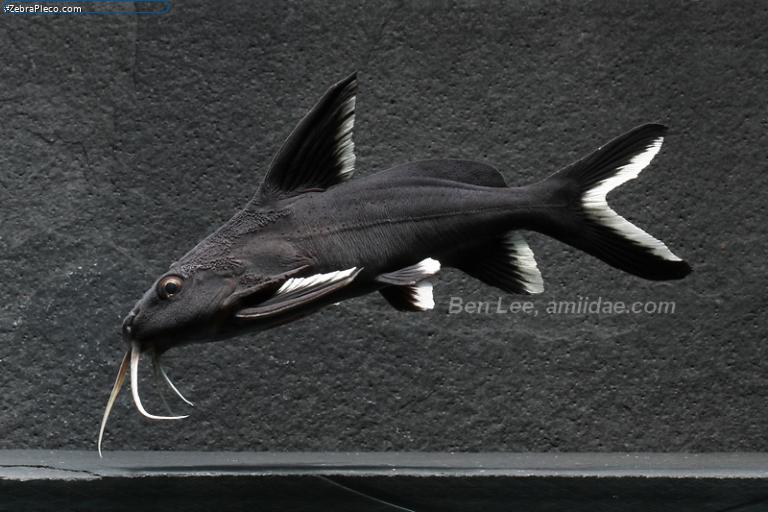
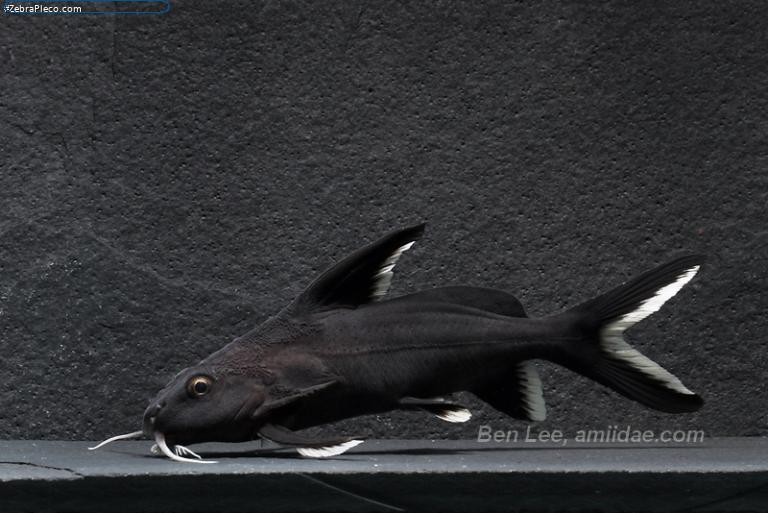
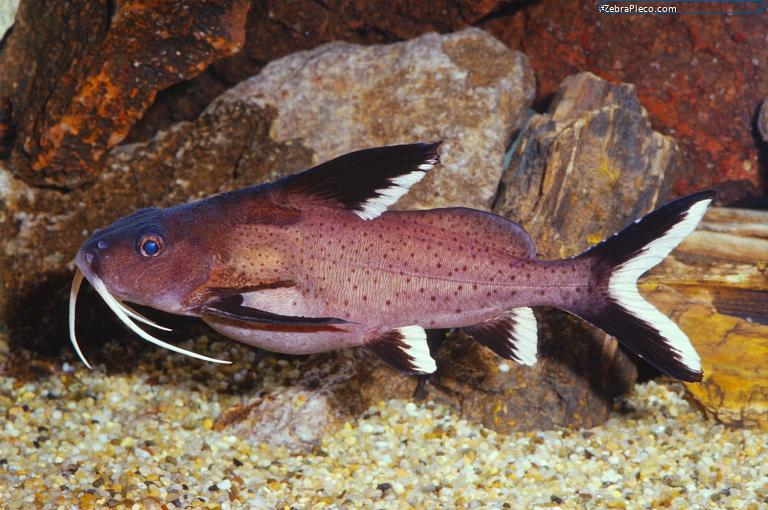
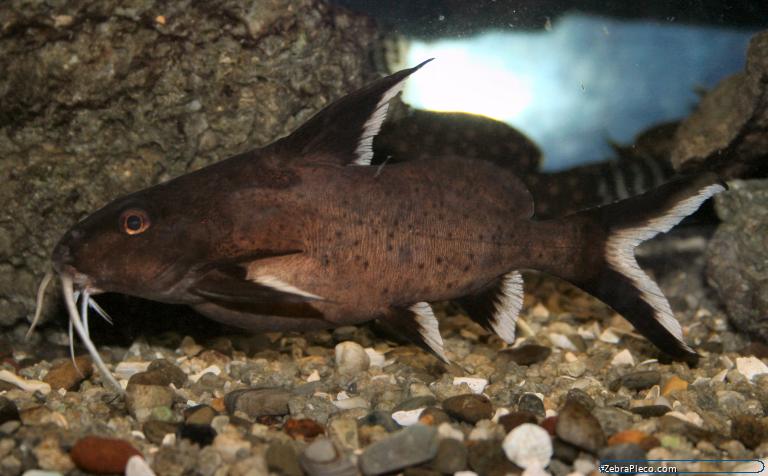
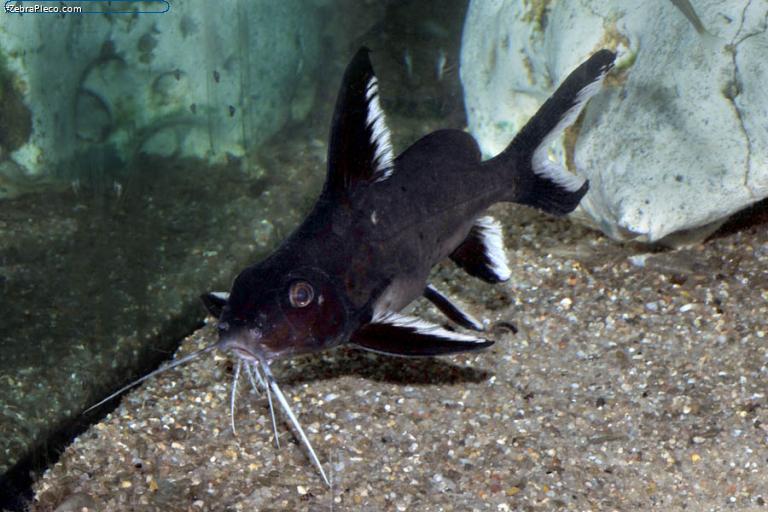
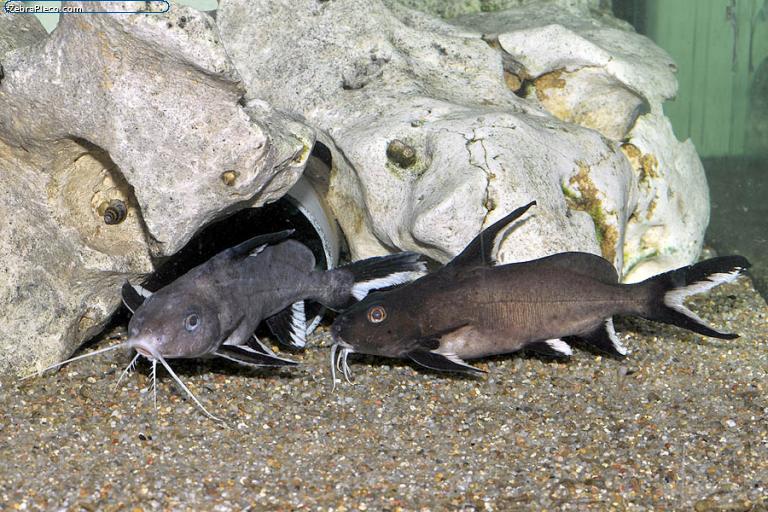
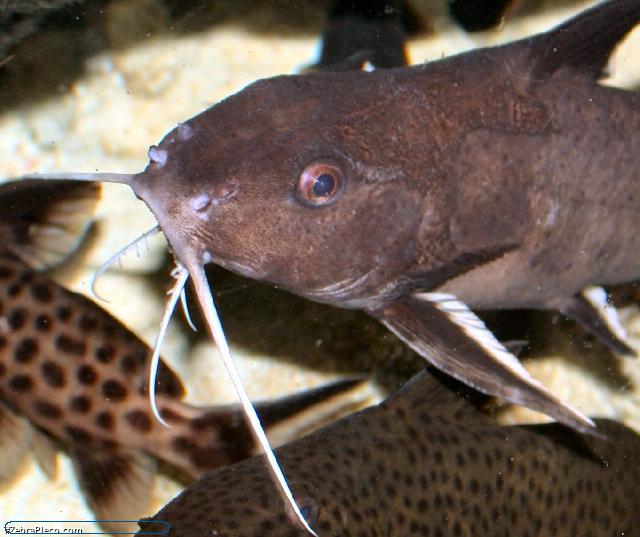
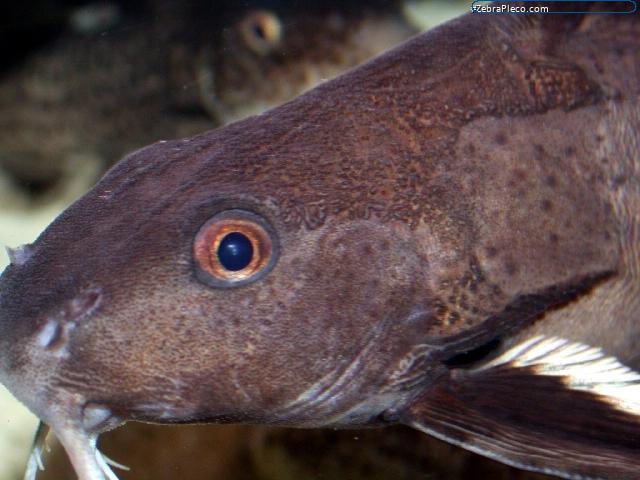
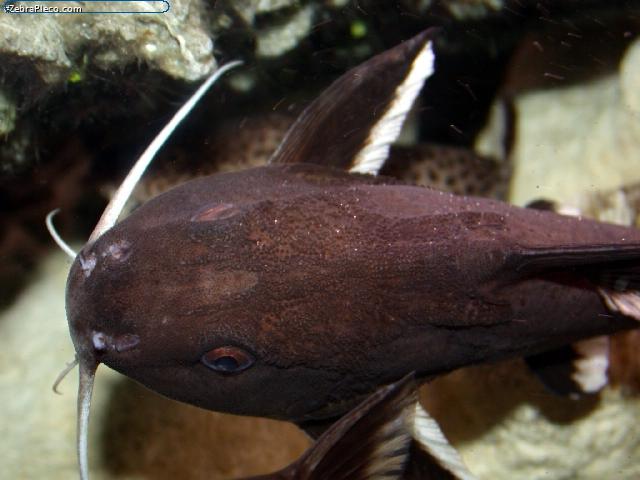
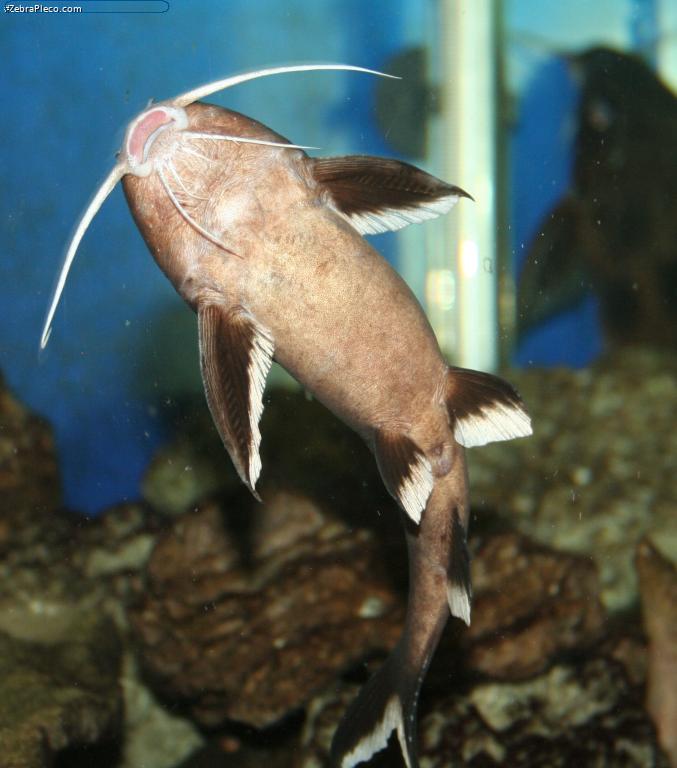
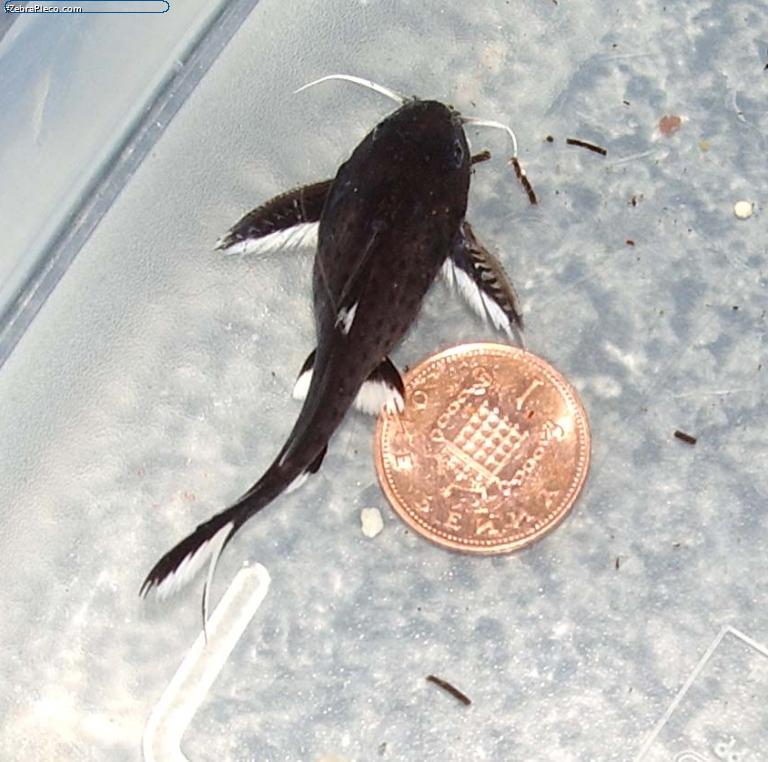
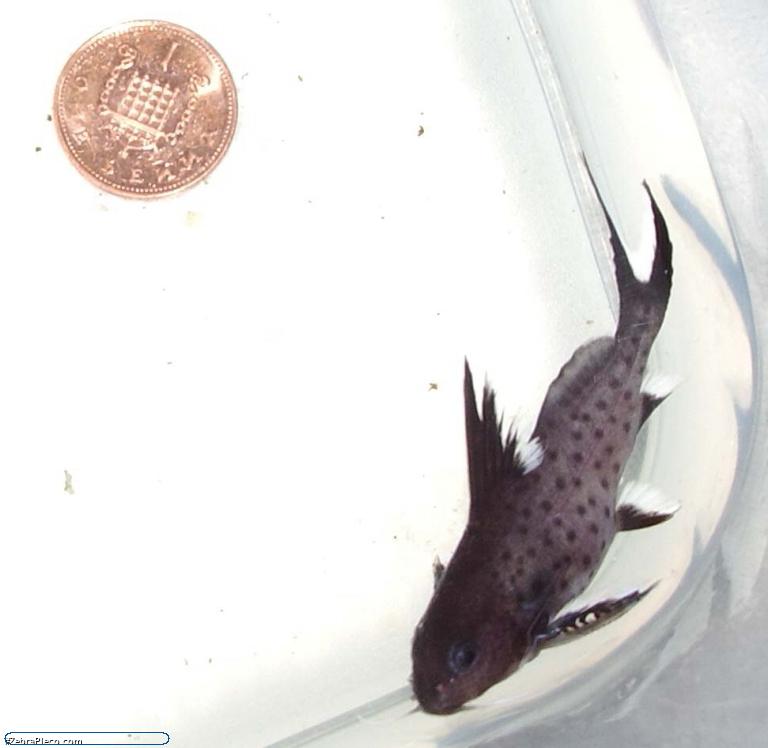
At least 1/3 to 1/2 of all fins have a snow white edging. Long white barbels. Inky sheen to brownish body which bears a spotted pattern in younger fish. The contrast of this spotting diminishes with age.
Sexual Dimorphism (Sexing)
Both sexes have identical colouration. Females grow slightly larger and tend to be plumper than males. Males have a 4-5 mm genital papilla near the anus.
Taxonomy, Synonyms & Etymology
Classification history, linguistic derivations and variant forms
Synonyms
Synodontis granulosa
Pronunciation
sin oh don tiss - gran you LOW suss
Etymology
According to Cuvier, Synodontis is an "ancient name for an undetermined fish from the Nile". It is not derived, as often reported, from syn-, together and odous, tooth, presumed etymology of the lizardfish genus Synodus and refers to the closely-spaced lower jaw teeth of both genera.
There is 1 other speciesPterodoras granulosus with this specific name.
Literature & Resources
Scientific publications, external links and citation tools
Description Reference
Annals and Magazine of Natural History (Series 7) v. 6 (no. 35), pp 480.
External Databases
Related Searches