PAGE_HEADER
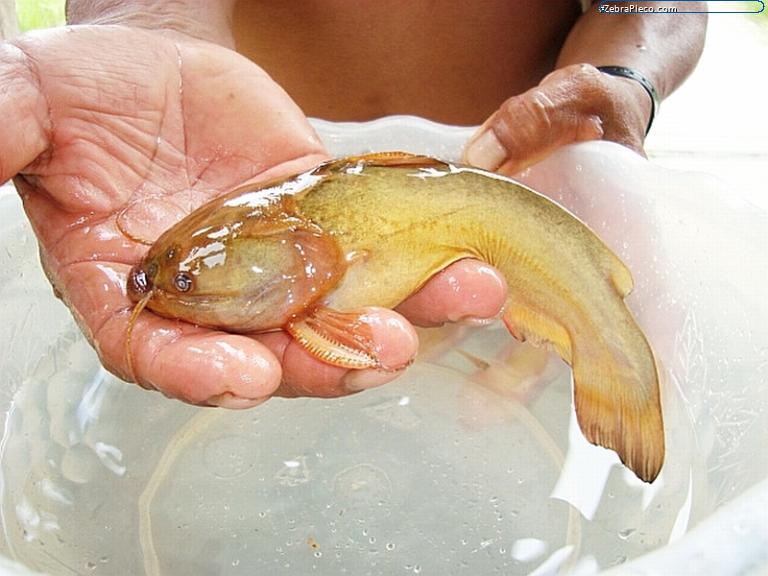
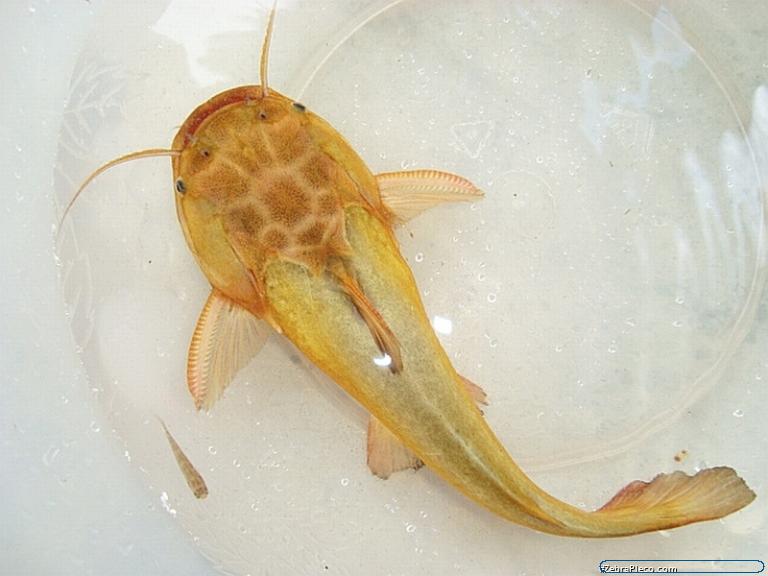
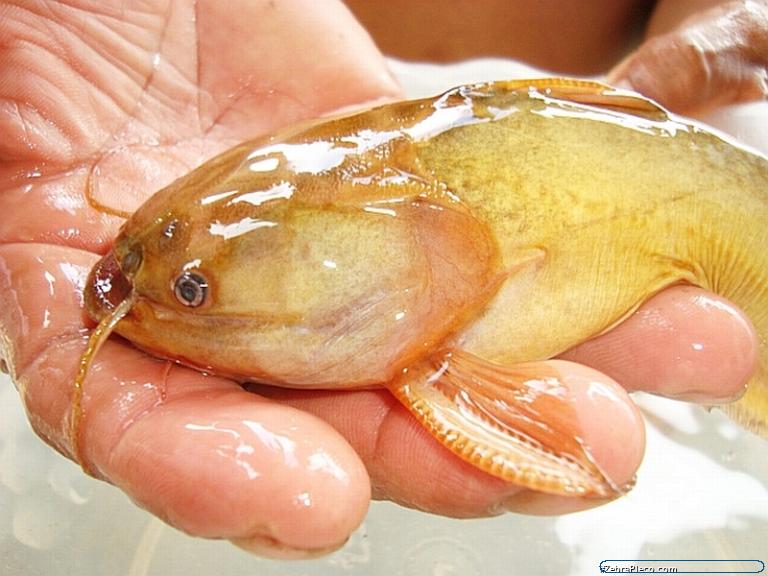
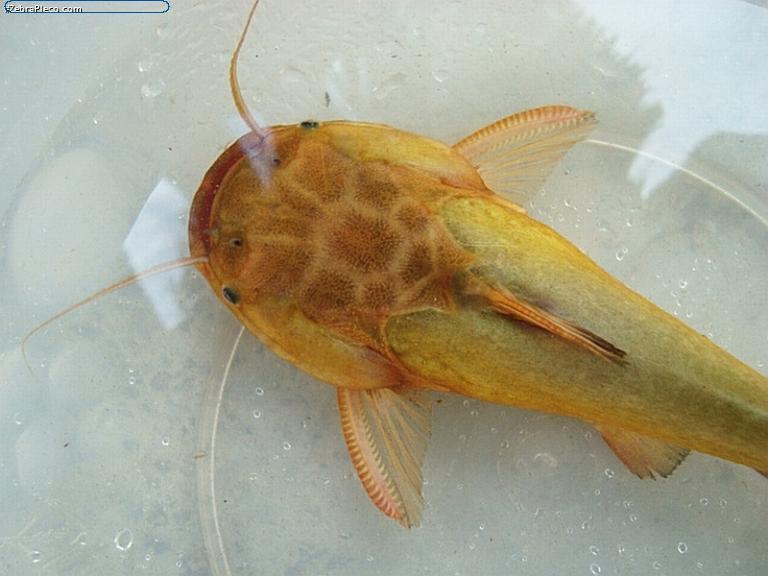
Trachelyopterus sp. (2)
Image Showcase
Photographs, diagnostic angles and morphological variants
Community & Keeper Tally
Member interactions, breeding records and forum mentions
Aquarium Care & Husbandry
Dietary requirements, tank setup, compatibility and breeding
Breeding Notes
Unreported in the aquarium.
Habitat & Water Parameters
Natural distribution, biotope water conditions and temperature ranges
Geographic Distribution
According to the exporter, specimens were collected from the Itaya river about two hours upriver from Iquitos, Peru.
Species Description & Identification
Morphology, diagnostic traits and sexual dimorphism
Identification
Identification of this species to better than sub-family isn't by any means certain. There are elements of this species that make you think of Trachycorystes. The posterior nuchal shields are smallish, there are a low number of pectoral fin spines and its tail is tail is not forked - so perhaps Trachelyopterus. But then, what about the new genus Spinipterus? Placed at sub-family level until more is known.
Taxonomy, Synonyms & Etymology
Classification history, linguistic derivations and variant forms
Etymology
Trachelyopterus: From the Greek, trachelos, meaning neck and pteron,
meaning fin; in reference to the long cranial shield, which gives the
appearance that the dorsal fin originates at the neck region.
There are 24 other speciesAcanthodoras sp(2)
Amphilius sp(2)
Ancistrus sp(2)
Astroblepus sp(2)
Belonoglanis sp(2)
Brachyrhamdia sp(2)
Cetopsorhamdia sp(2)
Chrysichthys sp(2)
Farlowella sp(2)
Hypoptopoma sp(2)
Hypostomus sp(2)
Imparfinis sp(2)
Mastiglanis sp(2)
Otocinclus sp(2)
Panaqolus sp(2)
Parotocinclus sp(2)
Pimelodella sp(2)
Pseudacanthicus sp(2)
Pseudancistrus sp(2)
Pseudecheneis sp(2)
Rineloricaria sp(2)
Spatuloricaria sp(2)
Tatia sp(2)
Xiurenbagrus sp(2) with this specific name.
Literature & Resources
Scientific publications, external links and citation tools
Related Searches