PAGE_HEADER
Image Showcase
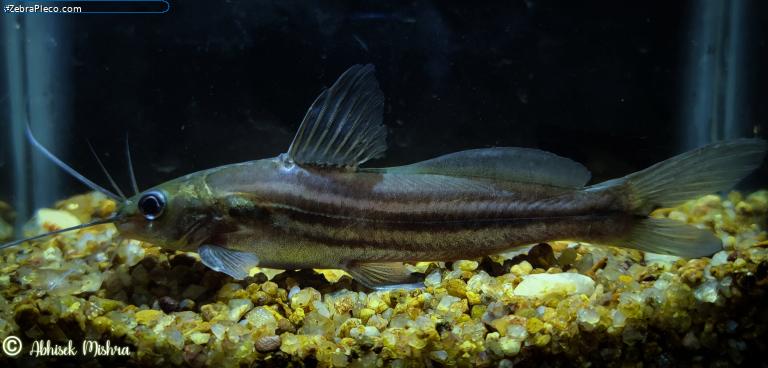
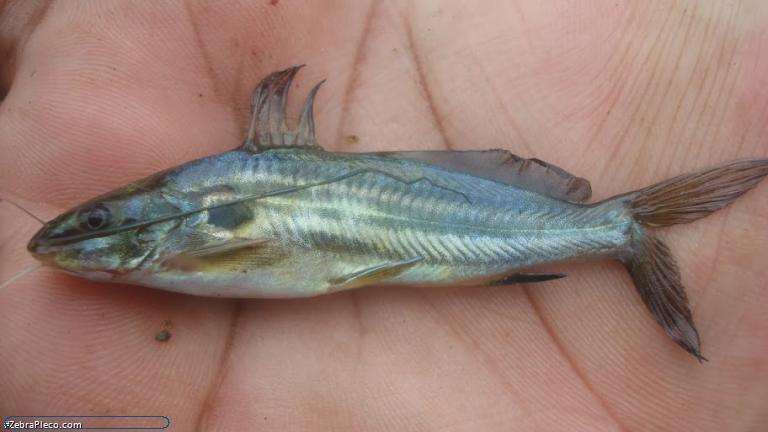
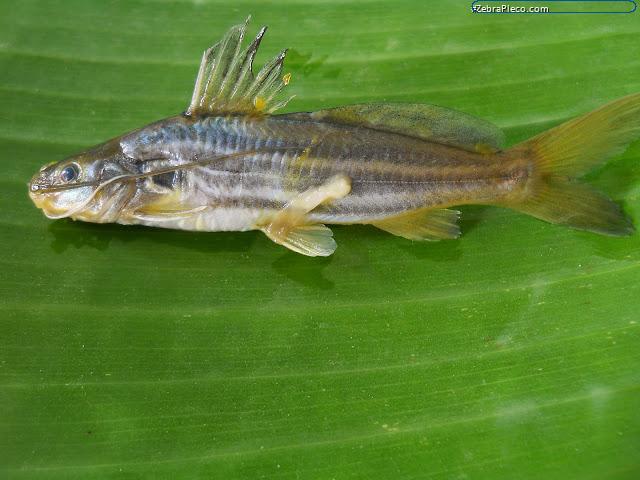
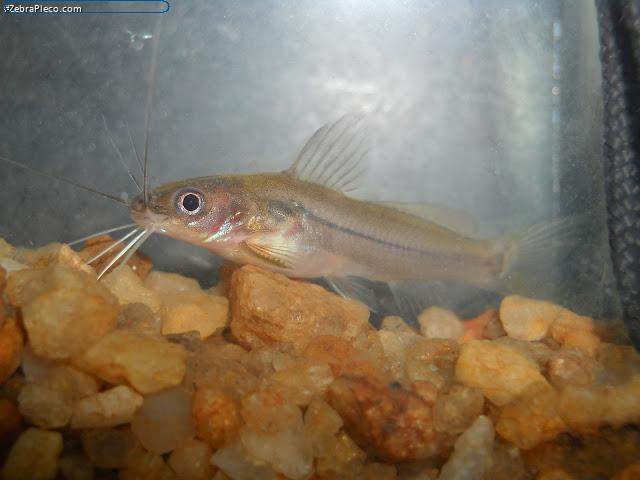
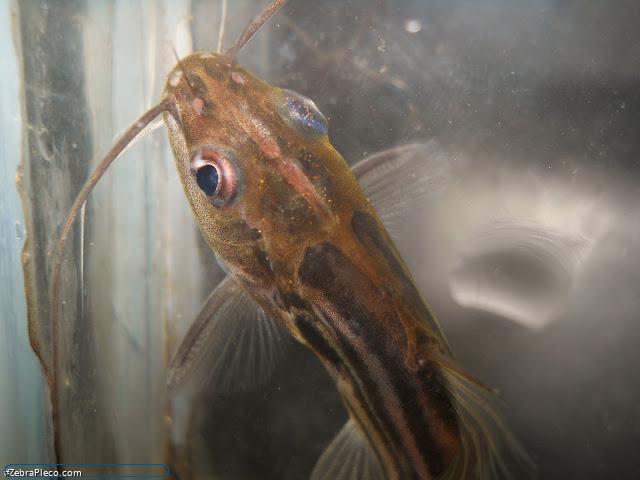
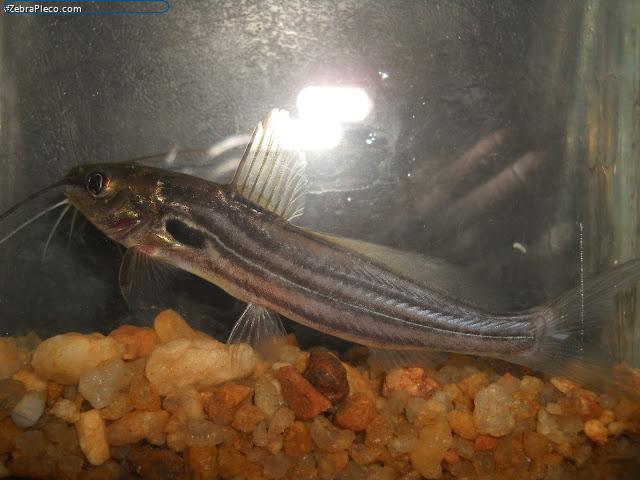
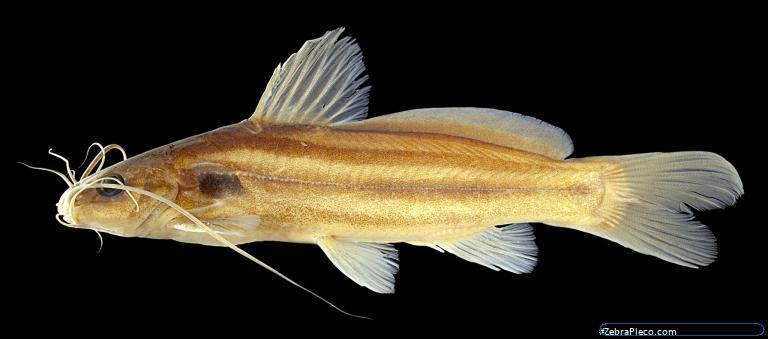
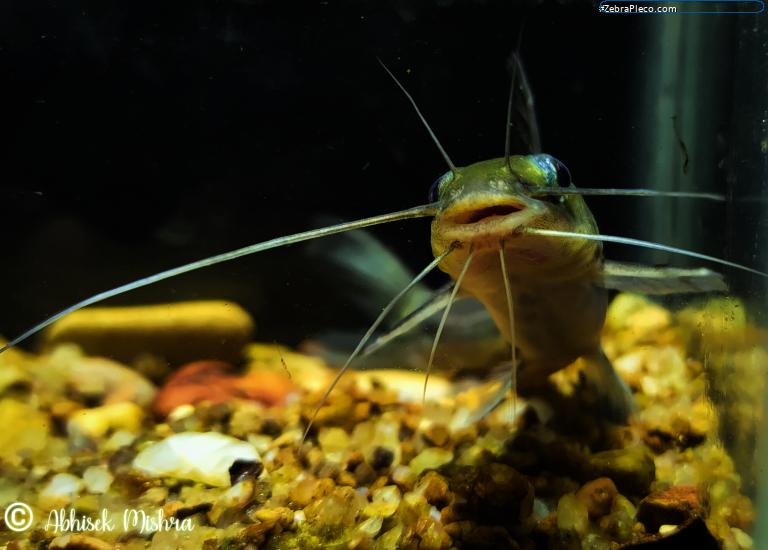
Photographs, diagnostic angles and morphological variants
Community & Keeper Tally
Member interactions, breeding records and forum mentions
Aquarium Care & Husbandry
Dietary requirements, tank setup, compatibility and breeding
Feeding & Diet
Easily adapts to a wide variety of frozen and prepared food in the aquarium. May eat very small fish. [View Member Food Stats]
Breeding Notes
No member of this genus has been bred in the aquarium.
Habitat & Water Parameters
Natural distribution, biotope water conditions and temperature ranges
Geographic Distribution
Asia: Pakistan, India, Bangladesh, Nepal, Myanmar and Indonesia. Also Bhutan.
Indian waters, North Eastern India Waters, Padma, Ganges (click on these areas to find other species found there)
Pakistan Waters, Indus (click on these areas to find other species found there)
Indian waters, Mahanadi (click on these areas to find other species found there)
Login to view the map.
Species Description & Identification
Morphology, diagnostic traits and sexual dimorphism
Identification
Fishes of the genus Mystus Scopoli are small to medium-sized bagrid catfishes occurring in South Asia. Roberts (1994) recognized Mystus to have an elongate cranial fontanel reaching up to the base of the occipital process, long maxillary barbel, very long adipose fin, 11–30 gill rakers on the first gill arch and 37–46 total vertebrae, about equally divided between abdominal and caudal regions. He included only eight species under the genus. Mo (1991) characterized the genus to have a thin needle-like first infraorbital, twisted and thickened metapterygoid loosely attached to the quadrate by means of ligament or a small extent of cartilage. Jayaram & Sanyal (2003) and Ferraris (2007) respectively listed 44 and 33 species of Mystus as valid.
Taxonomy, Synonyms & Etymology
Classification history, linguistic derivations and variant forms
Synonyms
Aoria bleekeri, Macrones bleekeri
Pronunciation
miss tuss
Etymology
The generic name is probably derived from the Latin mystax, meaning moustache, in reference to the long barbels. It was first used by Scopoli in 1777 making it a very old genus that has included many catfishes from throughout the world at one time or another.
There are 6 other speciesChasmocranus bleekeri
Luciosoma bleekeri
Osteochilus bleekeri
Paracetopsis bleekeri
Phalacronotus bleekeri
Triplophysa bleekeri with this specific name.
Literature & Resources
Scientific publications, external links and citation tools
Description Reference
The fishes of India Part 3, pp 451, Pl. 101 (fig. 1).
External Databases
Related Searches