PAGE_HEADER
Zaireichthys pallidus Eccles, Tweddle & Skelton, 2011
Image Showcase
Photographs, diagnostic angles and morphological variants
Community & Keeper Tally
Member interactions, breeding records and forum mentions
Aquarium Care & Husbandry
Dietary requirements, tank setup, compatibility and breeding
Aquarium Furniture & Decor
In nature the majority of species are found over or in sand in flowing rivers. There is one known lake dwelling species from Lake Malawi which is also found over sand and living in snail shells.
Breeding Notes
No member of this genus has been bred in the aquarium.
Habitat & Water Parameters
Natural distribution, biotope water conditions and temperature ranges
Geographic Distribution
Known only from the Upper Zambezi up to and including the Barotse Floodplain in Zambia,and the Chobe and Kwando rivers, in the area of the Eastern Caprivi, Namibia.
Login to view the map.
Species Description & Identification
Morphology, diagnostic traits and sexual dimorphism
Identification
The majority of species are small and compact, have a defense mechanism of three ossified spines in the dorsal and pectoral fins,being able to lock them into place which makes the genus different from all other Amphiliidae.
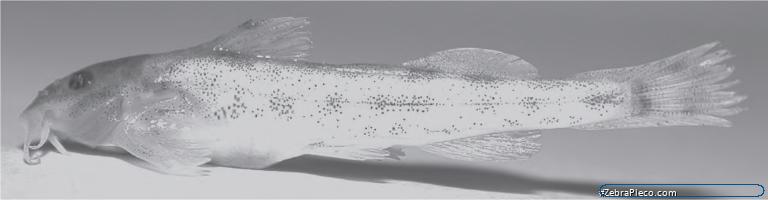
Almost transparent with a few indistinct spots scattered irregularly over the body.Some specimens can be darker, there is no definite pattern except for a series of darker patches along the back from the base of the dorsal to the rear, also an irregular darker line mid-laterally.The melanophores on this species are unusually large and rectangular in shape.
Taxonomy, Synonyms & Etymology
Classification history, linguistic derivations and variant forms
Pronunciation
za eer ICK thiss
Etymology
Zaireichthys: From the Zaire river and the Greek ichthys, meaning fish; in reference to the type of the genus and its collection locality. Named for its very pale colouration.
There are 2 other speciesAequidens pallidus
Nemacheilus pallidus with this specific name.
Literature & Resources
Scientific publications, external links and citation tools
Description Reference
Smithiana, Publications in Aquatic Biodiversity, Bulletin No. 13, pp 17, Figs. 3F, 4, 17-18.
External Databases
Related Searches