PAGE_HEADER
Chromobotia macracanthus (Bleeker, 1852)
Image Showcase
Photographs, diagnostic angles and morphological variants
Community & Keeper Tally
Member interactions, breeding records and forum mentions
Aquarium Care & Husbandry
Dietary requirements, tank setup, compatibility and breeding
Feeding & Diet
As an omnivore species, the clown loach can be feed by almost all available fish food, appropriate to the size of the individuals. [View Member Food Stats]
Aquarium Furniture & Decor
Cared best with caves of bamboo pipes or similar.
Breeding Notes
No member of this genus has been bred in the aquarium.
Habitat & Water Parameters
Natural distribution, biotope water conditions and temperature ranges
Geographic Distribution
Asia: Indonesia (Sumatra and Kalimantan).
Pacific, Greater Sunda Island Rivers, Borneo Waters (click on these areas to find other species found there)
Pacific, Greater Sunda Island Rivers, Sumatra Waters (click on these areas to find other species found there)
Login to view the map.
Species Description & Identification
Morphology, diagnostic traits and sexual dimorphism
Identification
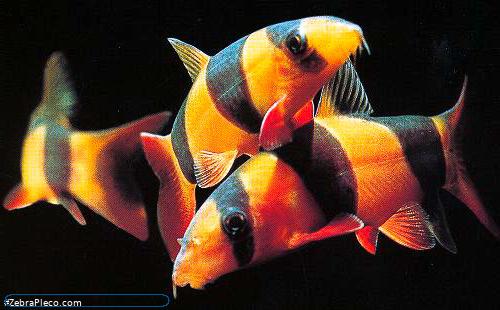
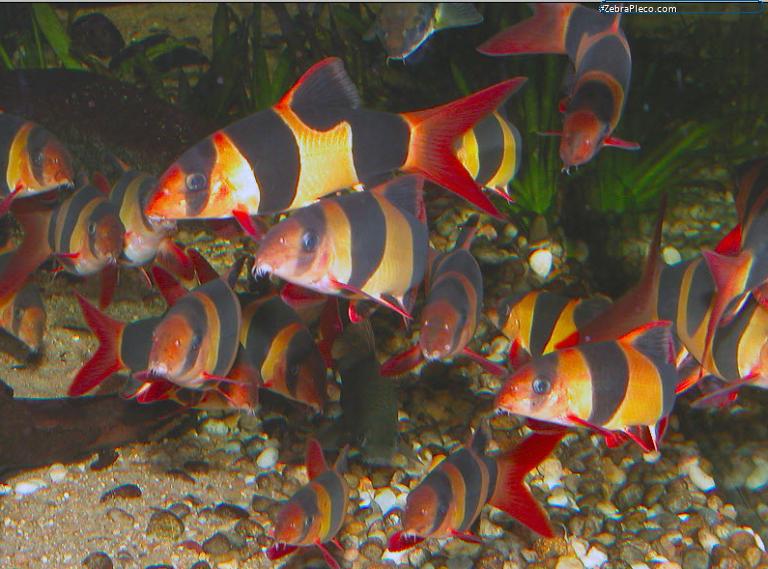
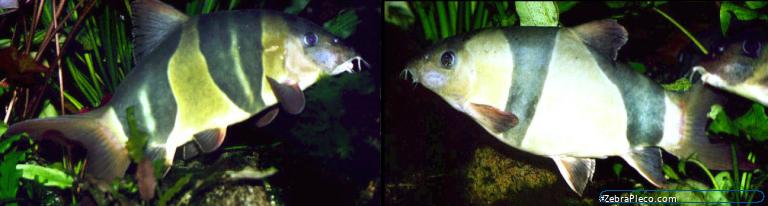
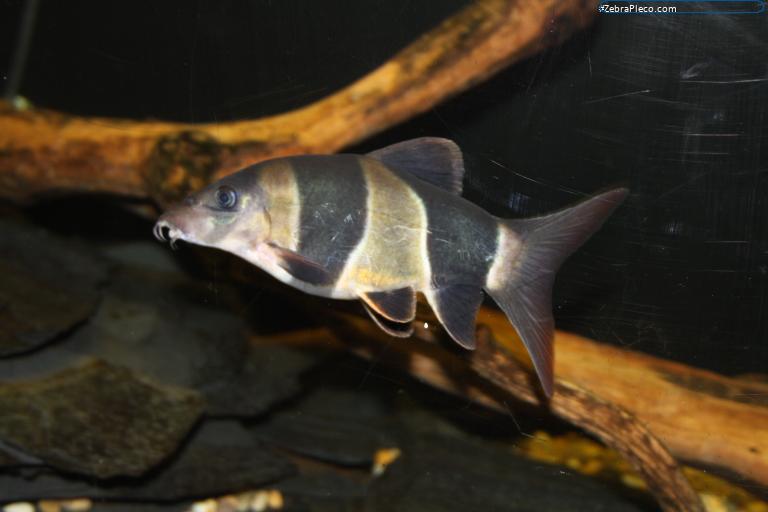
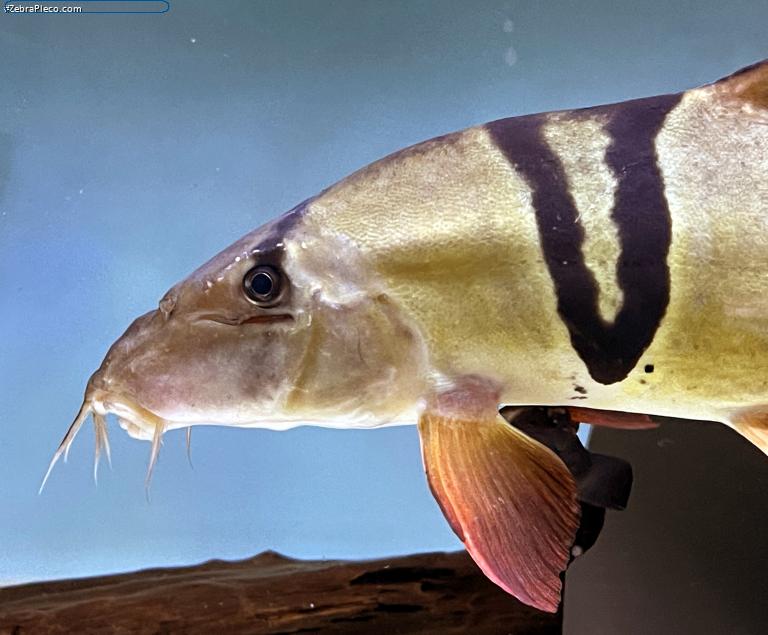
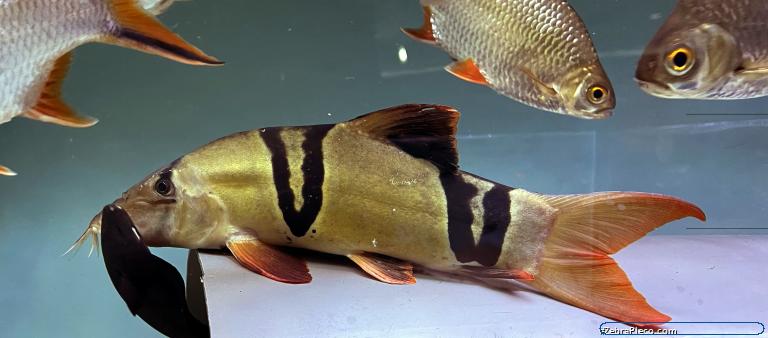
There is no mistaking the orange and black colouration of the clown loach - there's nothing else like them. An interesting note is that the two populations have different coloured pelvic fins. Those from Kalimantan have a black fin, those from Sumatra have deep orange/red.
Sexual Dimorphism (Sexing)
There are no reliable secondary sexual dimorphisms or dichromatisms although some reports describe the tips of the caudal fin being inwardly shaped in adult males. In gravid females sometimes the eggs can be seen and then the individuals can be reliably sexed due the to taller body shape of females.
General Remarks
A large shoaling species, that needs big tanks; 120 cm front length with at least 350 litres volume are necessary to care a group of them appropriate. A social species; must be cared in a group of a least six to eigth individual, better more. Smaller young specimens can require intensive care to bring to good health.
Taxonomy, Synonyms & Etymology
Classification history, linguistic derivations and variant forms
Synonyms
Botia macracanthus, Botia macrocanthus, Cobitis macracanthus
Pronunciation
crow mow bot ee ah. - mak rah kan thus.
Etymology
Botia is a regional Asian word meaning "warrior" or "soldier"; chromo comes from the Greek "chroma", meaning colour. "Macra" comes from the Greek "makrós" for "big", "canthus" from the Greek "ákantha" for "spine"; the specific epithet thus refers to the large suborbital spine in the members of Botiidae.
There are 4 other speciesBagrichthys macracanthus
Balroglanis macracanthus
Hemibarbus macracanthus
Rita macracanthus with this specific name.
Literature & Resources
Scientific publications, external links and citation tools
Description Reference
Natuurkundig Tijdschrift voor Nederlandsch Indië v. 3 (no. 4), pp 603.
External Databases
Related Searches