PAGE_HEADER
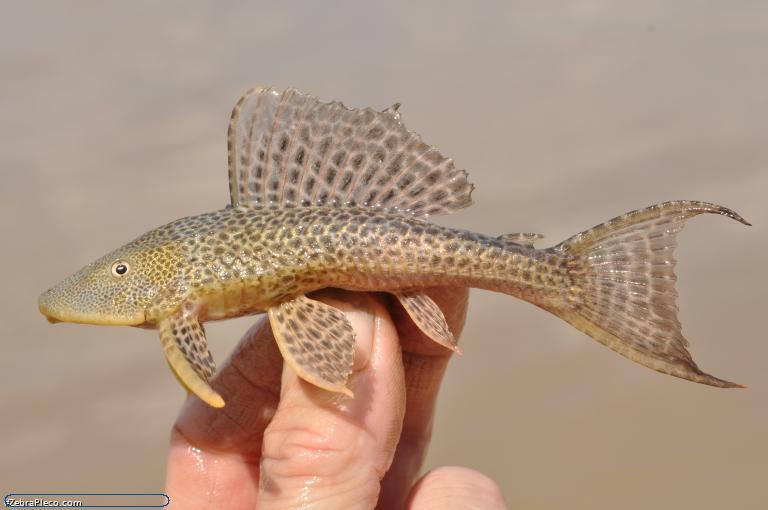
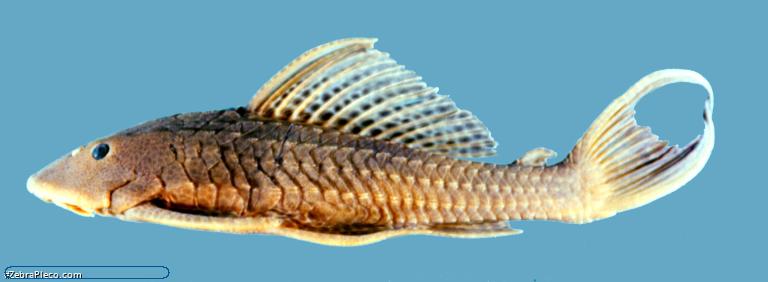
Pterygoplichthys multiradiatus (Hancock, 1828)
Image Showcase
Photographs, diagnostic angles and morphological variants
Community & Keeper Tally
Member interactions, breeding records and forum mentions
Aquarium Care & Husbandry
Dietary requirements, tank setup, compatibility and breeding
Feeding & Diet
Omnivorous and a good algae eater, especially when young. [View Member Food Stats]
Compatibility & Suggested Tankmates
Tankmates: Almost any medium sized community fish.
Habitat & Water Parameters
Natural distribution, biotope water conditions and temperature ranges
Geographic Distribution
South America: Orinoco River basin. Reported from Argentina. Introduced and established in Taiwan, mainland USA and Hawaii.
Orinoco (click on these areas to find other species found there)
Login to view the map.
Species Description & Identification
Morphology, diagnostic traits and sexual dimorphism
Identification
Pterygoplichthys can be identified by the number of rays in the dorsal fin. Ten or more dorsal rays (usually more than 10) indicates that it's a Pterygoplichthys. Most other plecos have 8 or fewer rays (in particular the larger Hypostomus species that are most likely to be confused with Pterygoplichthys).
Sexual Dimorphism (Sexing)
Comparison of the genital papilla in mature fish shows the differences in the sexes to the trained eye. In males this is a small yet thick stump which noticeably protrudes from the fish's undercarriage. In females it is less obvious and is recessed or lies flat with the body.
Taxonomy, Synonyms & Etymology
Classification history, linguistic derivations and variant forms
Synonyms
Ancistrus multiradiatus, Hypostomus multiradiatus, Liposarcus multiradiatus
Pronunciation
terry gop LICK thees
Etymology
Greek, pterygion, diminutive of pteryx = wing, fin + Greek, hoplon = weapon + Greek, ichthys = fish. Multiradiatus in reference to the number of rays in the dorsal rays (it was originally described as a species in Hypostomus, which normally has 8 rays in the dorsal fin).
There are 5 other speciesCathorops multiradiatus
Girardinichthys multiradiatus
Heptapterus multiradiatus
Hypsolebias multiradiatus
Mystus multiradiatus with this specific name.
Literature & Resources
Scientific publications, external links and citation tools
Description Reference
Zoological Journal, London v. 4, pp 246.
External Databases
Related Searches