PAGE_HEADER
Mystus multiradiatus Roberts, 1992
Image Showcase
Photographs, diagnostic angles and morphological variants
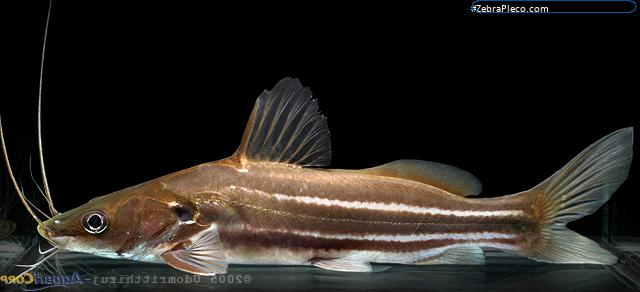
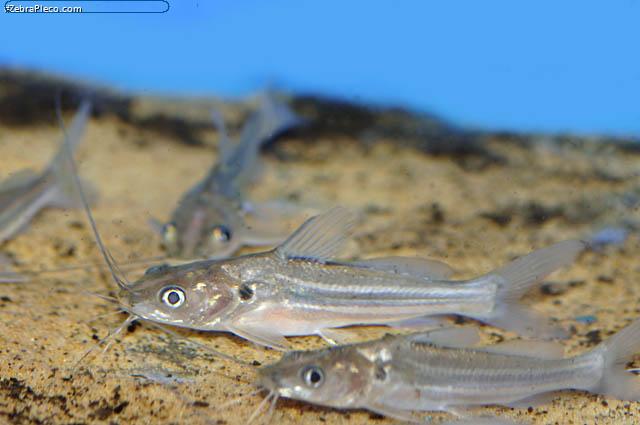
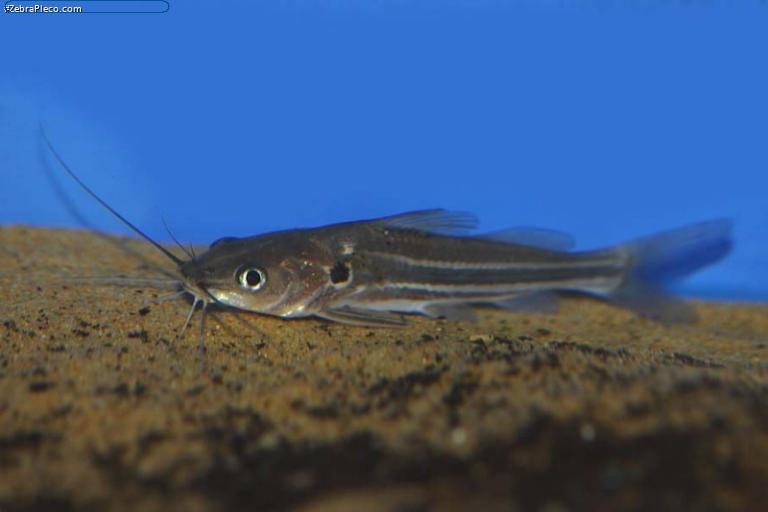
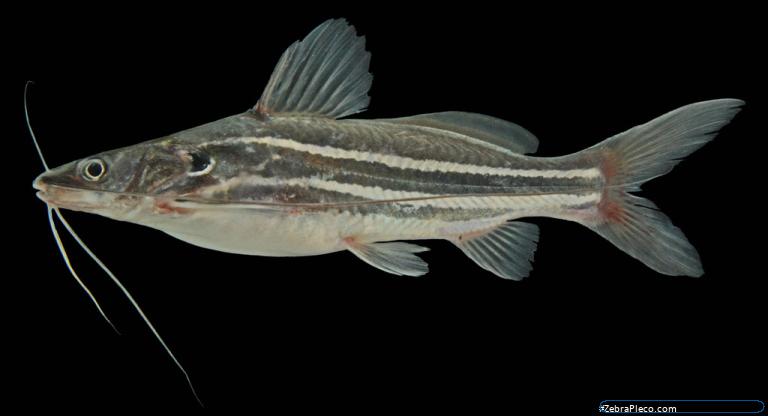
Community & Keeper Tally
Member interactions, breeding records and forum mentions
Aquarium Care & Husbandry
Dietary requirements, tank setup, compatibility and breeding
Feeding & Diet
Easily adapts to a wide variety of frozen and prepared food in the aquarium. May eat very small fish. [View Member Food Stats]
Breeding Notes
Unreported in the aquarium.
Habitat & Water Parameters
Natural distribution, biotope water conditions and temperature ranges
Geographic Distribution
Asia: Mekong, Chao Phraya and perhaps Mekong basins.
Thailand Waters, Chao Praya (click on these areas to find other species found there)
Mekong (click on these areas to find other species found there)
Login to view the map.
Species Description & Identification
Morphology, diagnostic traits and sexual dimorphism
Identification
Fishes of the genus Mystus Scopoli are small to medium-sized bagrid catfishes occurring in South Asia. Roberts (1994) recognized Mystus to have an elongate cranial fontanel reaching up to the base of the occipital process, long maxillary barbel, very long adipose fin, 11–30 gill rakers on the first gill arch and 37–46 total vertebrae, about equally divided between abdominal and caudal regions. He included only eight species under the genus. Mo (1991) characterized the genus to have a thin needle-like first infraorbital, twisted and thickened metapterygoid loosely attached to the quadrate by means of ligament or a small extent of cartilage. Jayaram & Sanyal (2003) and Ferraris (2007) respectively listed 44 and 33 species of Mystus as valid.
Sexual Dimorphism (Sexing)
Males have an elongate genital papilla in front of the anal fin.
Taxonomy, Synonyms & Etymology
Classification history, linguistic derivations and variant forms
Pronunciation
miss tuss
Etymology
The generic name is probably derived from the Latin mystax, meaning moustache, in reference to the long barbels. It was first used by Scopoli in 1777 making it a very old genus that has included many catfishes from throughout the world at one time or another.
There are 5 other speciesCathorops multiradiatus
Girardinichthys multiradiatus
Heptapterus multiradiatus
Hypsolebias multiradiatus
Pterygoplichthys multiradiatus with this specific name.
Literature & Resources
Scientific publications, external links and citation tools
Description Reference
Ichthyological Exploration of Freshwaters v. 3 (no. 1), pp 82, Fig. 3b.
External Databases
Related Searches