
PAGE_HEADER
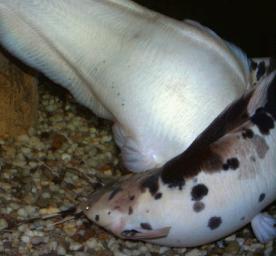
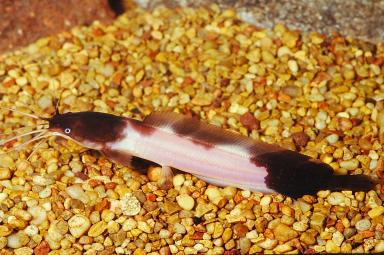 Mottled or Piebald form
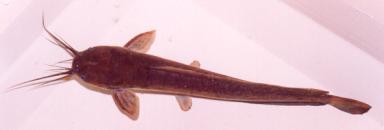
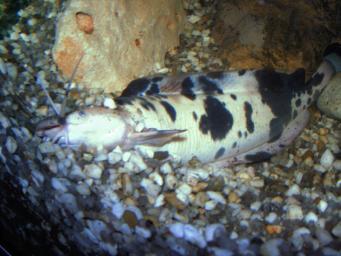
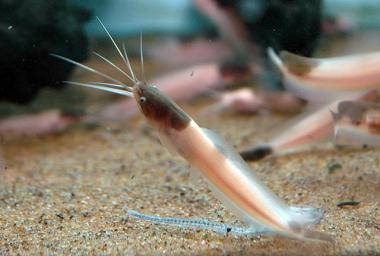 Mottled Colour Form
 Video
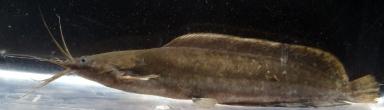 Wild caught
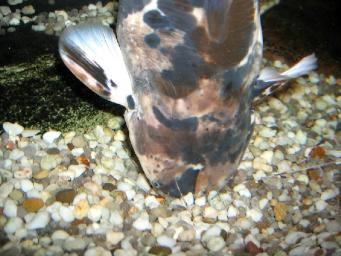
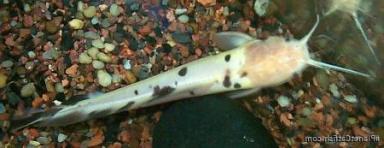 Dorsal view - mottled colouration
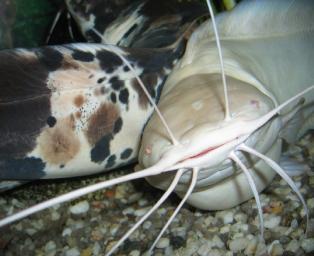
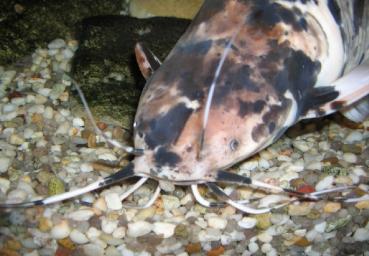
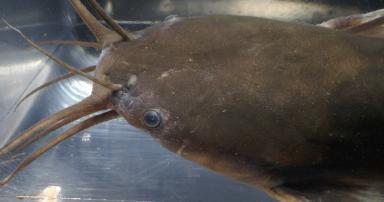 Close-up of head
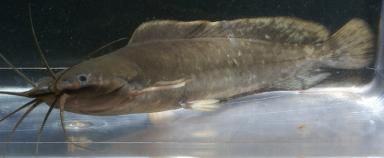 Wild caught
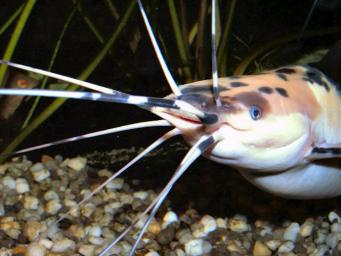 Male
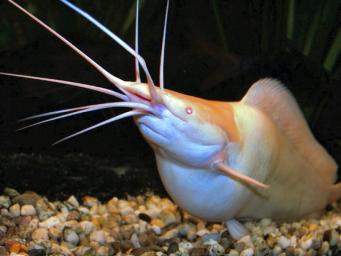 Female
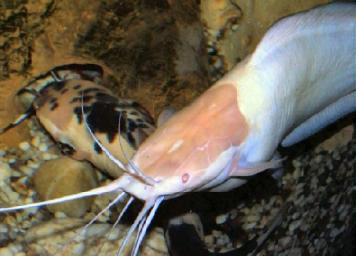 Pair at the spawning site
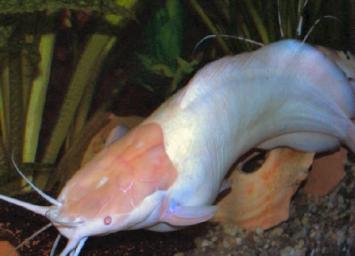 Courtship
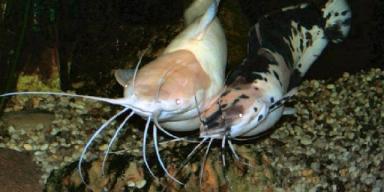 Courtship
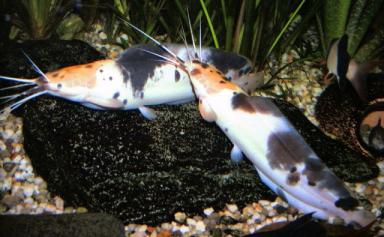 Male (foreground) and sub-dominant female
 Courtship
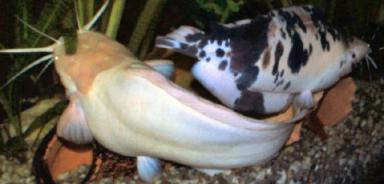 Courtship
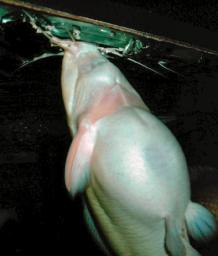 Air breathing at water surface
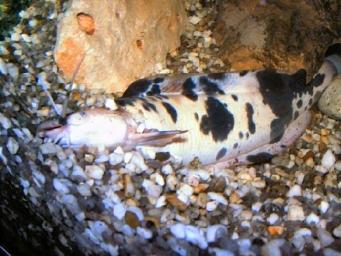 Nest digging
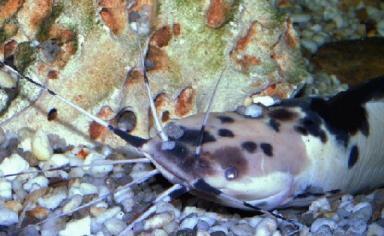 Nest digging
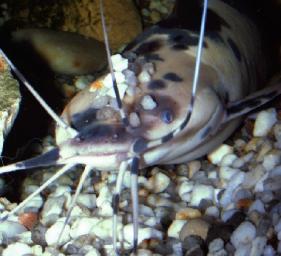 Nest digging
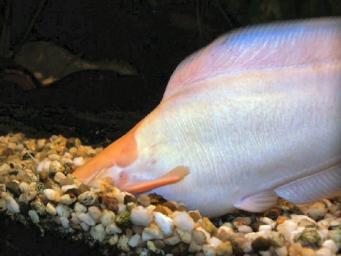 Nest digging
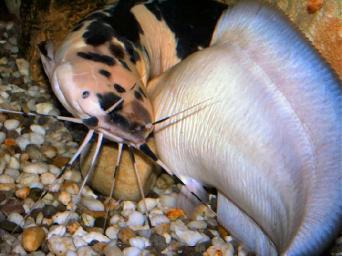 Spawning embrace
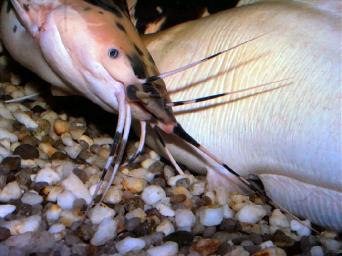 Spawning embrace
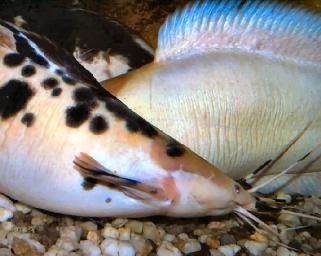 Spawning embrace
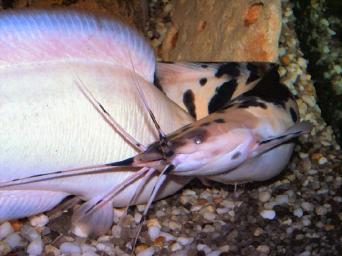 Spawning embrace
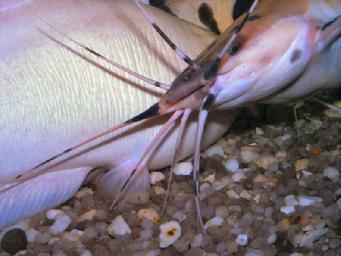 Spawning embrace
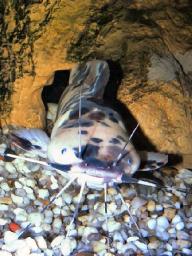 Male at its favourite place in front of a cave
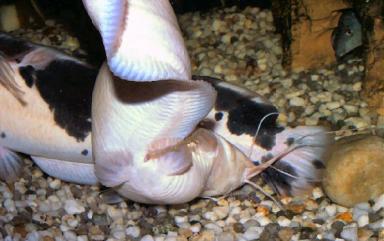 Spawning
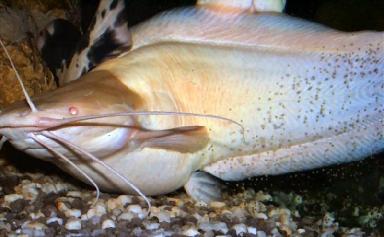 Spawning
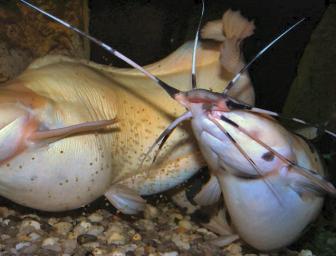 Spawning
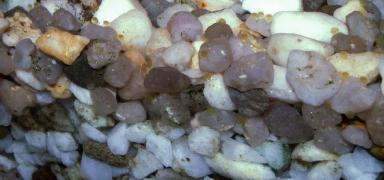 Eggs in spawning pit
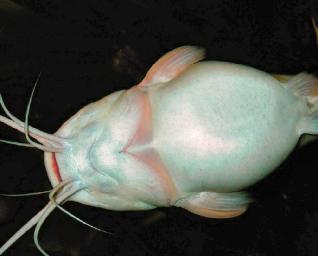 Female immediately before spawning
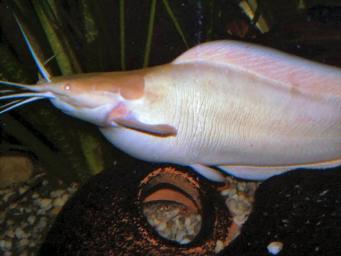 Female immediately after spawning
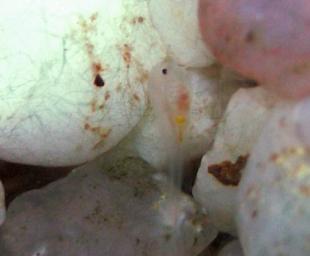 Newly hatched fry
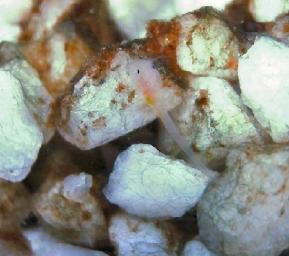 Older fry, note barbels
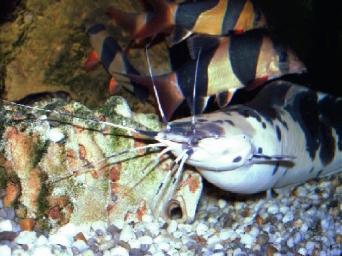 Male guarding fry
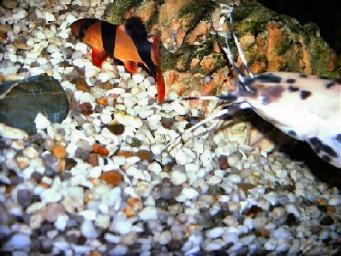 Defending the nest
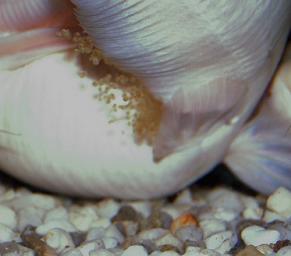
 Eggs
 Oscars are good tankmates
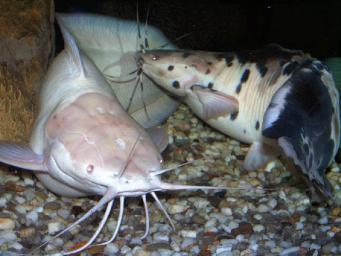
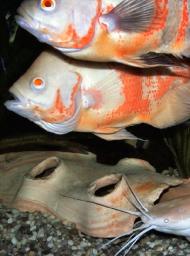 Three albinos!
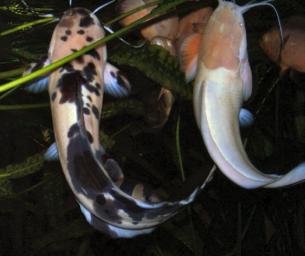 Feeding at night on cichlid sticks
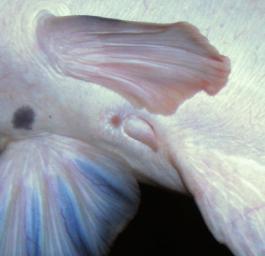 Close-up of male genital area
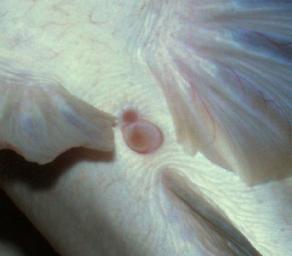 Close-up of female genital area
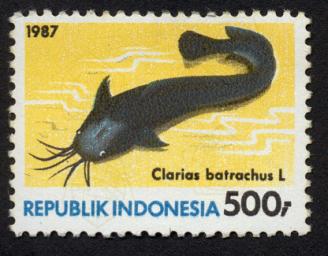 Stamp
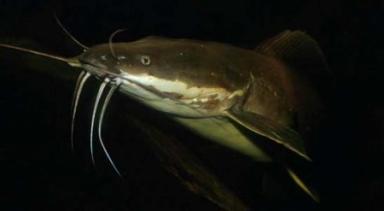 Adult - Normal Colouration
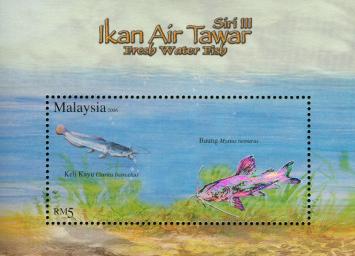 Stamp
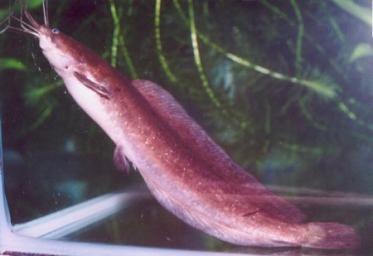
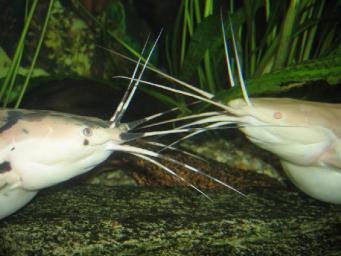
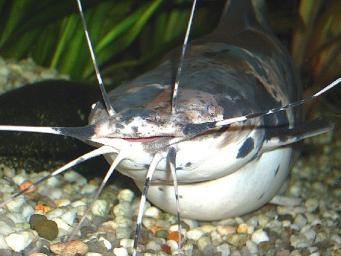 Male piebald
 Female albino
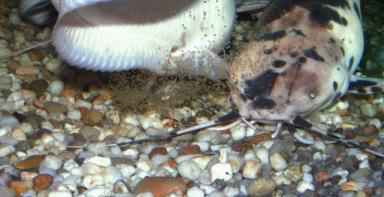 Laying eggs
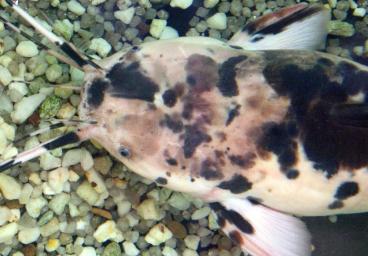 Dorsal view (male)
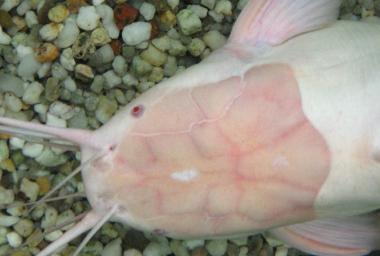 Dorsal view (female)
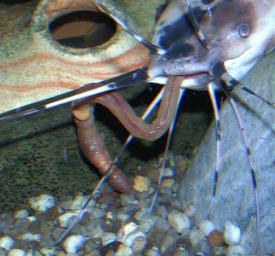
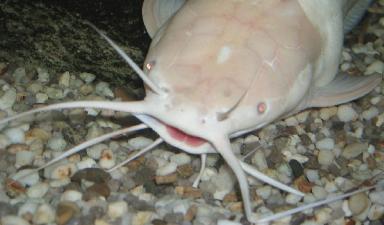
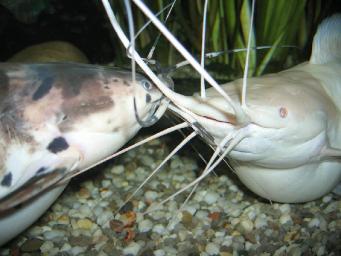
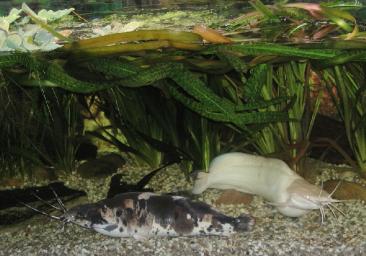
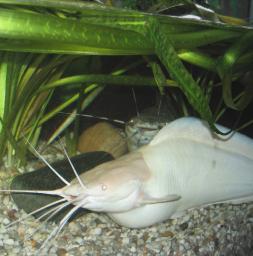 Heavily gravid female

 Video
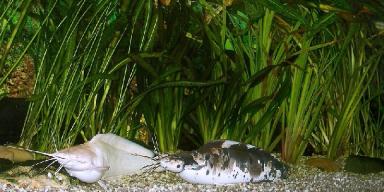

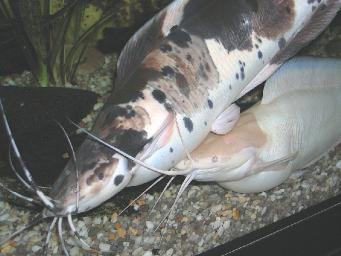
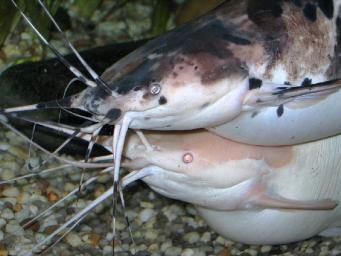
| ⇓ Zebra Pleco (Hypancistrus zebra) Data Sheet | |
|---|---|
| Scientific Name | Clarias batrachus (Linnaeus, 1758) |
| Common Names | Common Walking Catfish Albino Walking Catfish, Clarias Catfish, Piebald Walking Catfish, Vandremalle (Danish, Denmark) |
| Type Locality | Java, vicinity of Bandung, Indonesia. |
| Synonym(s) | Clarias betrachus, Clarias punctatus, Clarius bartrachus, Clarius batrachus, Silurus batrachus |
| Pronunciation | klar ee ass - bat rah chus |
| Etymology | Clarias: From the Greek chlaros, meaning lively; in reference to the ability of the fish to live for long periods out of water. There is 1 other speciesAsterophysus batrachus with this name. |
| ⇓ Species Information | |
| Size | 470mm or 18.5" SL. Find near, nearer or same sized spp. |
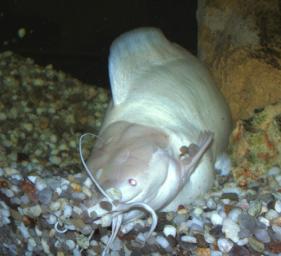
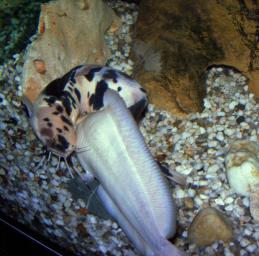
| Identification | Clarias species are characterized by having an elongated body; a soft rayed dorsal fin extending to, or nearly to, the caudal fin base; a soft rayed anal fin extending from just behind the anus to the caudal fin base; pectoral fins each with a serrated anterior bony spine; head depressed, covered largely by firmly sutured, surface sculptured bony plates forming a protective helmet; four pairs of flagellate barbels (nasals, maxillaries, inner and outer mandibulars); air breathing organs derived from the 2nd and 4th epibranchials within a superbranchial chamber. Shown above are the mottled or marbled colour variety and also the more commonly available pinky-white form. From time to time you also see the ''original'' brown with white belly wild form. |
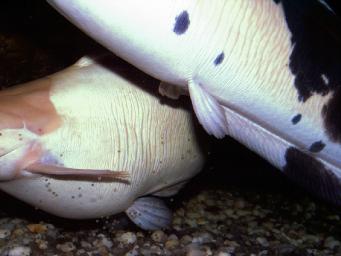
| Sexing | The genital papilla, which is to the right of the anus as you look at the fish with its head to the left, is elongated and pointed in males while it is round and relatively larger (and larger than the anus) in females. In ventral view especially, females are much broader in the body than males of equal age and rearing practices. Mature males have small spots along the dorsal fin; it is not known if this also applies to the albino colour variant. |
| ⇓ Habitat Information | |
| Distribution | Asia: Mekong and Chao Phraya basins, Malay Peninsula, Sumatra, Java, Borneo. Reported from Sri Lanka; popular for aquaculture in its native range but not regarded as such in other Southeast Asian countries. Trade restricted in Germany (Anl.3 BArtSchV). Several countries report adverse ecological impact after introduction. Bangladesh Waters (click on these areas to find other species found there) Indian waters (click on these areas to find other species found there) Indonesian Waters (click on these areas to find other species found there) Pacific, Malaysia Waters (click on these areas to find other species found there) Myanmar Waters (click on these areas to find other species found there) Sri Lanka Waters (click on these areas to find other species found there) Thailand Waters (click on these areas to find other species found there) Login to view the map. |
| IUCN Red List Category | Least Concern , a distribution map is available on the IUCN species page. Last assessed 2019. |
| pH | 5.6 - 8.0 |
| Temperature | 20.0-26.0°C or 68-78.8°F (Show species within this range) |
| Other Parameters | Unimportant, the fish will prosper in a wide range of PH and water hardness. |
| ⇓ Husbandry Information | |
| Feeding | Anything; this fish is totally omnivorous and will gorge itself on most offerings. User data. |
| Furniture | Very well rooted plants and large structures that provide some shade. Appropriately sized clay pipes seem to provide a readily accepted, if less cosmetically pleasing, hideaway for these fish. |
| Compatibility | Keep with large robust fish; anything small enough will be eaten. These should be fast growing or introduced as semi-adults. The walking catfish grows very fast indeed and although purchased at a ''safe'' size for it's co-inhabitants, this ratio will rapidly change to the danger of the smaller fishes. |
| Suggested Tankmates | Large Cyprinids (Silver Sharks, Tinfoil or Spanner Barbs for example) or Central American Cichlids. |
| Breeding | See Shane's World article. |
| Breeding Reports | There is no breeding report. |
| ⇓ Further Information | |
| Reference | Systema Naturae, Ed. X v. 1, pp 305. |
| Wishlists | There is no wish to keep this species. |
| Spotters | There is no record of this fish being seen. |
| ⇓ More Resources | |
| Forum BBCode | |
| Find CLOG | 42 mentions on the forum, starting 11th May 04 |
 | Look up C. batrachus on PlanetCatfish.com |
 | Look up C. batrachus on Fishbase |
 | Look up C. batrachus on Encyclopedia of Life |
 | Look up C. batrachus on Global Biodiversity Information Facility |
 | LFS label creator ARN ref:1.6.8.90 |
| Last Update | Thu Jan 02, 2025 9:37 am (Species record created: Wed Apr 25, 2001 7:00 am) |
