
PAGE_HEADER


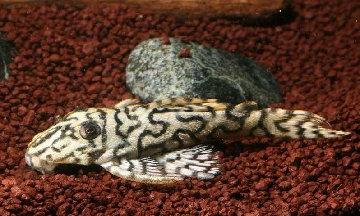


| ⇓ Zebra Pleco (Hypancistrus zebra) Data Sheet | |
|---|---|
| Scientific Name | Hypancistrus sp. (1) |
| Common Names | Platinum Pleco Corroncho Plata (Spanish, Colombia), Mega Crown Pleco |
| Synonym(s) | |
| Pronunciation | hype an siss truss |
| Etymology | A contraction of the Greek hypo (meaning less than) and ancistrus, an allusion to the reduced number of teeth (particularly in the lower jaw) found in this genus. There are 62 other speciesAcanthodoras sp(1) Acestridium sp(1) Amphilius sp(1) Ancistomus sp(1) Ancistrini sp(1) Ancistrus sp(1) Aspidoras sp(1) Astroblepus sp(1) Atopochilus sp(1) Auchenipterichthys sp(1) Batrochoglanis sp(1) Belonoglanis sp(1) Brachyglanis sp(1) Brachyrhamdia sp(1) Cetopsis sp(1) Cetopsorhamdia sp(1) Chaetostoma sp(1) Channallabes sp(1) Chiloglanis sp(1) Chrysichthys sp(1) Corydoras sp(1) Delturus sp(1) Euchilichthys sp(1) Farlowella sp(1) Guyanancistrus sp(1) Hemiancistrus sp(1) Hemipsilichthys sp(1) Hisonotus sp(1) Hypoptopoma sp(1) Hypostomus sp(1) Imparfinis sp(1) Lasiancistrus sp(1) Leporacanthicus sp(1) Leptorhamdia sp(1) Lophiobagrus sp(1) Microsynodontis sp(1) Myoglanis sp(1) Nemuroglanis sp(1) Otocinclus sp(1) Oxyropsis sp(1) Panaqolus sp(1) Panaque sp(1) Parotocinclus sp(1) Phreatobius sp(1) Pimelodella sp(1) Pseudancistrus sp(1) Pseudecheneis sp(1) Pseudolithoxus sp(1) Pterygoplichthys sp(1) Rhamdia sp(1) Rhamdiopsis sp(1) Rineloricaria sp(1) Spatuloricaria sp(1) Sturisomatichthys sp(1) Synodontis sp(1) Tatia sp(1) Taunayia sp(1) Trachelyopterus sp(1) Trachyglanis sp(1) Transancistrus sp(1) Trichomycterus sp(1) Xiurenbagrus sp(1) with this name. |
| ⇓ Species Information | |
| Sexing | Mature males have thicker first pectoral ray, more pronounced odontodes on the first pectoral fin ray and odontodes on the cheeks and/or rear of the body, and typically a wider head. Mature females are wider around the middle of the body, and much less noticeable body and fin odontodes. |
| ⇓ Habitat Information | |
| Distribution | Exported from Bogotá, Colombia. The common name corroncho plata (silver pleco) suggests that this species is from the Orinoco basin, but this is unconfirmed and the collection location is presently unknown. |
| ⇓ Husbandry Information | |
| Feeding | Unlike the popular opinion of many other loricariids, Hypancistrus are more carnivores than algae eaters. This is backed up by a small and lightly toothed mouth that indicates they are poor algae scrapers. Provide small and frequent supply of mainly meaty foods such as dry discus food, bloodworm and even brineshrimp with the infrequent offering of flake or algae tablets. User data. |
| Furniture | Sand, primarily rocks and optionally driftwood. Caves made out of slate plates, bamboo or PVC pipe. |
| Compatibility | Suitable with most fish, as long as they are not too large or territorial about bottom-space. |
| Suggested Tankmates | Small tetras and other similar small fish. Also Corydoras. Care has to be taken to ensure that they get enough food, as they can be a bit shy and slow to grab food when available. |
| Breeding | Unreported in the aquarium. |
| Breeding Reports | There is no breeding report. |
| ⇓ Further Information | |
| Wishlists | There is no wish to keep this species. |
| Spotters | There is no record of this fish being seen. |
| ⇓ More Resources | |
| Forum BBCode | |
| Find CLOG | 2 mentions on the forum, starting 22nd Apr 11 |
 | Look up H. sp. (1) on PlanetCatfish.com |
 | LFS label creator ARN ref:1.4.7.3607 |
| Last Update | Sat Jul 20, 2013 1:31 am (Species record created: Fri Apr 22, 2011 11:10 am) |
