
PAGE_HEADER
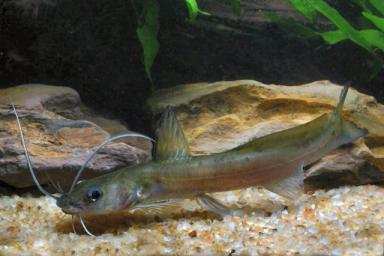
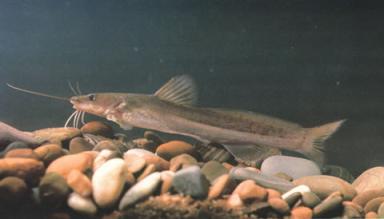
| ⇓ Zebra Pleco (Hypancistrus zebra) Data Sheet | |
|---|---|
| Scientific Name | Hemibagrus macropterus Bleeker, 1870 |
| Common Name | Grey Chinese Catfish |
| Type Locality | Chang Jiang [Yangtze River], China. |
| Synonym(s) | Mystus macropterus |
| Pronunciation | HEM ee BAG russ - mak rop ter uss |
| Etymology | From the Greek hemi- meaning half and bagrus, the catfish genus. The specific epithet comes from the Greek makros, meaning long and pteron, meaning fin; in reference to the long adipose fin. There are 8 other speciesAcheilognathus macropterus Bagrichthys macropterus Calophysus macropterus Centrarchus macropterus Chiloglanis macropterus Chrysichthys macropterus Creteuchiloglanis macropterus Scleromystax macropterus with this name. |
| ⇓ Species Information | |
| Size | 233mm or 9.2" SL. Find near, nearer or same sized spp. |
| Identification | Members of the genus Hemibagrus are bagrid catfishes that can attain standard lengths of up to 800 mm and are found in large rivers throughout the Indian subcontinent,Southeast and East Asia. Members of this genus have depressed heads,rugose head shields not covered by skin,a slender occipital process and moderately long adipose fins. Single-chambered swim bladder, the adipose fin partially confluent with the principal rays of the caudal fin, and a dark brown body with few very small black spots or no spots. |
| Sexing | Males have an elongate genital papilla in front of the anal fin. |
| ⇓ Habitat Information | |
| Distribution | Asia: Yangtze river, China. China Waters, Yangtze (click on these areas to find other species found there) Login to view the map. |
| IUCN Red List Category | Not Evaluated , a distribution map is available on the IUCN species page. Last assessed 2026. |
| pH | 6.4 - 7.6 |
| Temperature | 18.0-24.0°C or 64.4-75.2°F (Show species within this range) |
| Other Parameters | Requires fairly well-oxygenated, cool water. |
| ⇓ Husbandry Information | |
| Feeding | Will eat a wide variety of live, frozen and prepared foods. Meaty foods are particularly relished, as are smaller fishes. User data. |
| Furniture | Inhabits clear, swiftly flowing rivers with rocky bottoms; hides among submerged logs or rocks, so provide enough driftwood and rocks for cover. |
| Compatibility | Best kept alone, as it will kill anything it cannot eat. |
| Breeding | Not reported in the aquarium. In the wild, breeding takes place in June or July, and 1300 to 2000 eggs of up to 1.2 mm are laid. The larvae are fully developed in about 20 days. |
| Breeding Reports | There is no breeding report. |
| ⇓ Further Information | |
| Literature & References | Original Description: <b> Bleeker, P.</b> 1870 <a href="https://www.biodiversitylibrary.org/page/27631975" target=_blank>See ref. at BHL</a> |
| Wishlists | There is no wish to keep this species. |
| Spotters | There is no record of this fish being seen. |
| ⇓ More Resources | |
| Forum BBCode | |
| Find CLOG | 3 mentions on the forum, starting 21st Feb 07 |
 | Look up H. macropterus on PlanetCatfish.com |
 | Look up H. macropterus on Fishbase |
 | Look up H. macropterus on Encyclopedia of Life |
 | Look up H. macropterus on Global Biodiversity Information Facility |
 | LFS label creator ARN ref:1.8.13.1376 |
| Last Update | Wed Jan 01, 2025 7:53 pm (Species record created: Wed Oct 27, 2004 7:00 am) |
