PAGE_HEADER
Akysis hendricksoni Alfred, 1966
Image Showcase
Photographs, diagnostic angles and morphological variants
Community & Keeper Tally
Member interactions, breeding records and forum mentions
Aquarium Care & Husbandry
Dietary requirements, tank setup, compatibility and breeding
Feeding & Diet
Readily feeds on most foods, but live or frozen food is preferred. In the wild, the diet consists primarily of small invertebrates, particularly small atyid shrimps of the genus Caridina. [View Member Food Stats]
Aquarium Furniture & Decor
Rocks or driftwood to partially deflect the current and for the fish to hide in. Some vegetation or leaf litter also ideal.
Compatibility & Suggested Tankmates
Ideal tankmates include balitorine loaches such as Homaloptera, fast-swimming cyprinids such as Danio or Barilius, and smaller mastacembelids.
Breeding Notes
Unreported in the aquarium.
Habitat & Water Parameters
Natural distribution, biotope water conditions and temperature ranges
Geographic Distribution
Asia: Peninsular Malaysia and Peninsular Thailand.
Pacific, Malaysia Waters, Peninsular Malaysia Waters, Endau (click on these areas to find other species found there)
Pacific, Malaysia Waters, Peninsular Malaysia Waters, Terengganu (click on these areas to find other species found there)
Login to view the map.
Species Description & Identification
Morphology, diagnostic traits and sexual dimorphism
Identification
Fishes of the genus Akysis are small species (typically not larger than 50mm SL) with tuberculate skin and a cryptic color pattern generally consisting of yellow patches or bands on a brown body. They have a distribution ranging from the Irrawaddy River drainage to the west, the Citarum River drainage to the east and south and the Lancanjiang (upper Mekong) drainage to the north.
Many species of Akysis are not easy to identify, but this is one of the few species that have been imported into the aquarium trade.
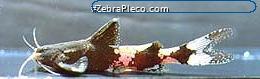
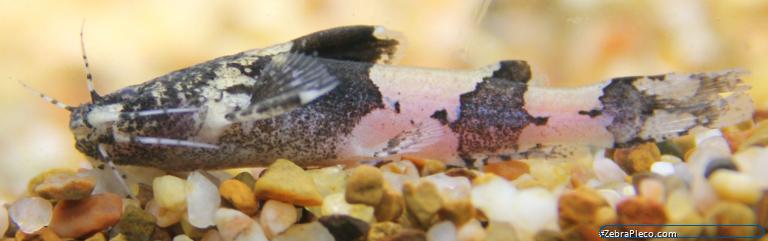
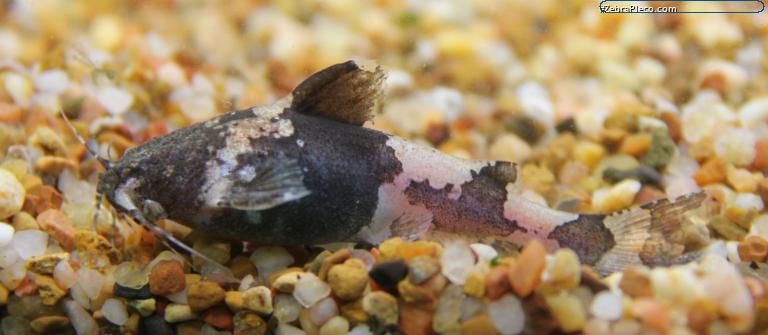
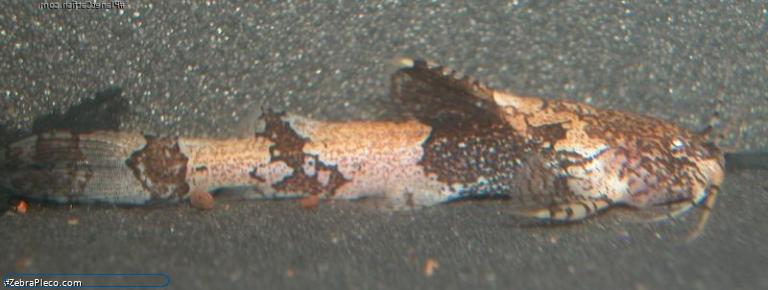
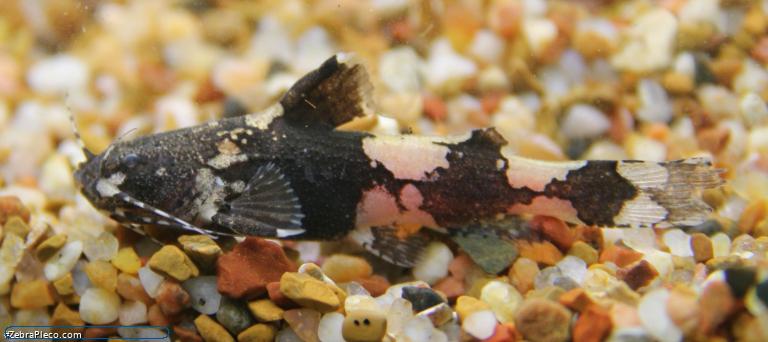
The contrasting pattern of chocolate brown and pale yellow helps to distinguish this species, but is by no means unique to it.
Distinguished from all its congeners by the following combination of characters: presence of 4-6 serrae on posterior edge of pectoral spine; head length 17.7-26.5% SL; head width 25.4-28.7% SL; body depth at anus 13.0-17.0% SL; depth of caudal peduncle 8.1-10.1% SL; interorbital distance 43-64% HL; length of nasal barbel 55-79% HL; length of maxillary barbel 102-167% HL; and caudal fin deeply emarginate
Taxonomy, Synonyms & Etymology
Classification history, linguistic derivations and variant forms
Pronunciation
ack EYE siss - hen DRICK sonn eye
Etymology
From the Greek a, meaning without and kystis, meaning bladder; in reference to the lack of a swimbladder. Named after J. R. Hendrickson.
Literature & Resources
Scientific publications, external links and citation tools
Description Reference
Copeia 1966 (no. 3), pp 467, Fig. 1.
External Databases
Related Searches