PAGE_HEADER
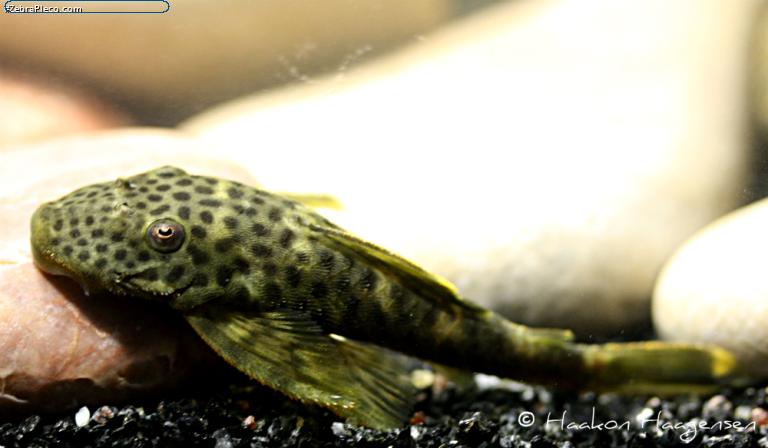
Pseudolithoxus dumus (Armbruster & Provenzano, 2000)
Image Showcase
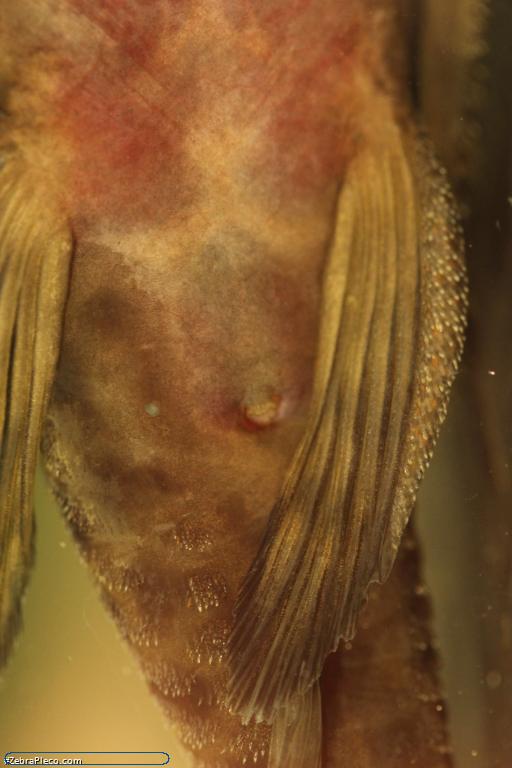
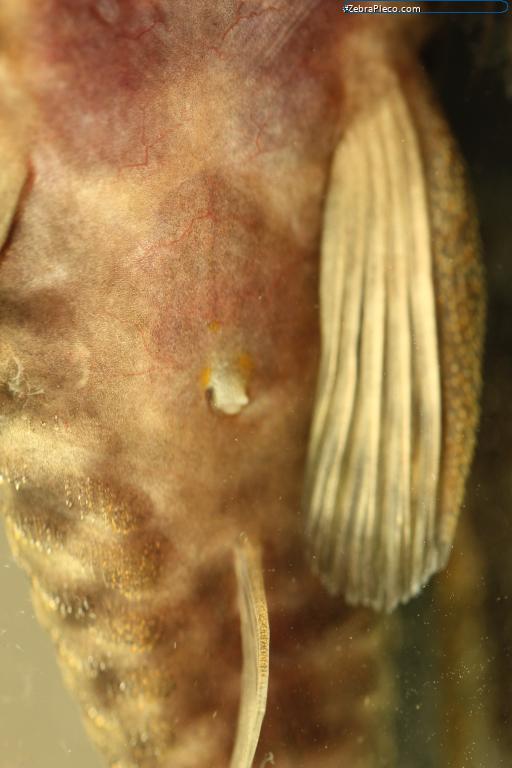
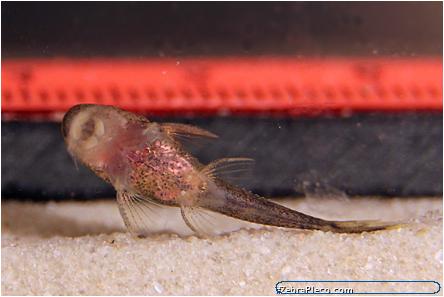
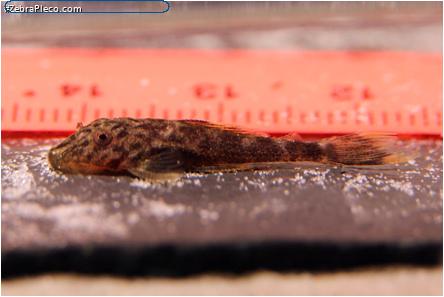
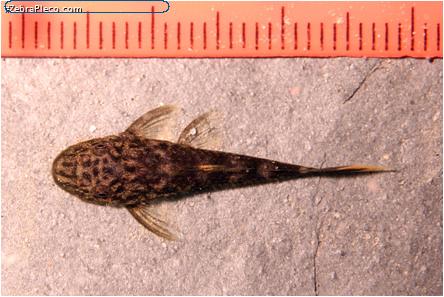
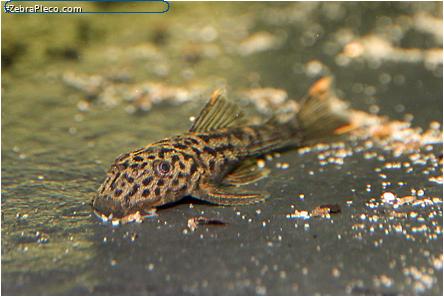
Photographs, diagnostic angles and morphological variants

Community & Keeper Tally
Member interactions, breeding records and forum mentions
Aquarium Care & Husbandry
Dietary requirements, tank setup, compatibility and breeding
Breeding Notes
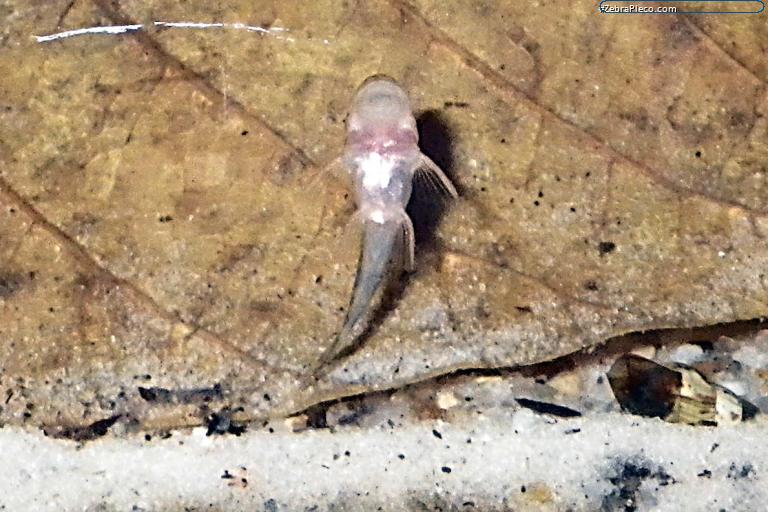
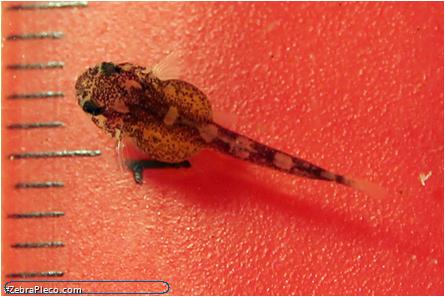
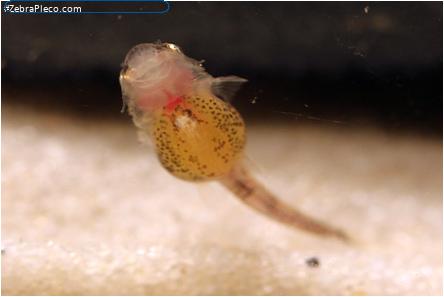
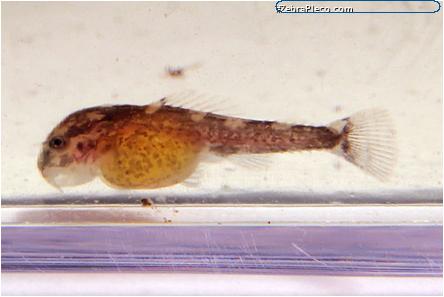
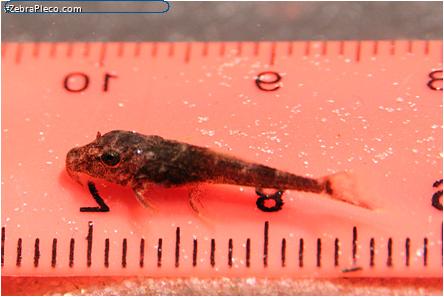
The first species in the genus to be bred in captivity (2011). Is a square pipe spawner, preferring open ended narrow spaces to a closed-end cave. Male guards egg clutch, free swimming fry are straightforward to feed on prepared foods as soon as their yolk sac is completely consumed.
Habitat & Water Parameters
Natural distribution, biotope water conditions and temperature ranges
Geographic Distribution
South America: Upper Orinoco, upper Negro and Casiquiare River basins in Venezuela.
Amazon, Middle Amazon (Solimoes), Negro, Upper Negro, Casiquiare (click on these areas to find other species found there)
Orinoco, Upper Orinoco (click on these areas to find other species found there)
Login to view the map.
Species Description & Identification
Morphology, diagnostic traits and sexual dimorphism
Identification
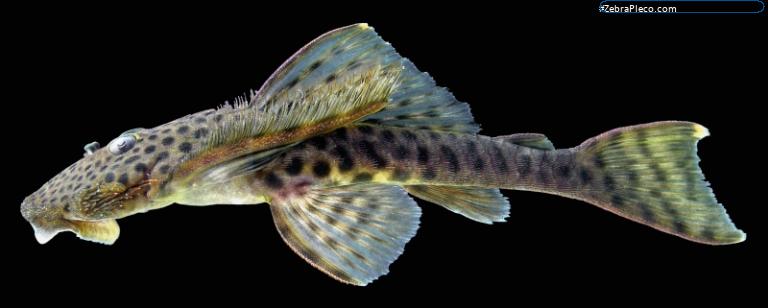
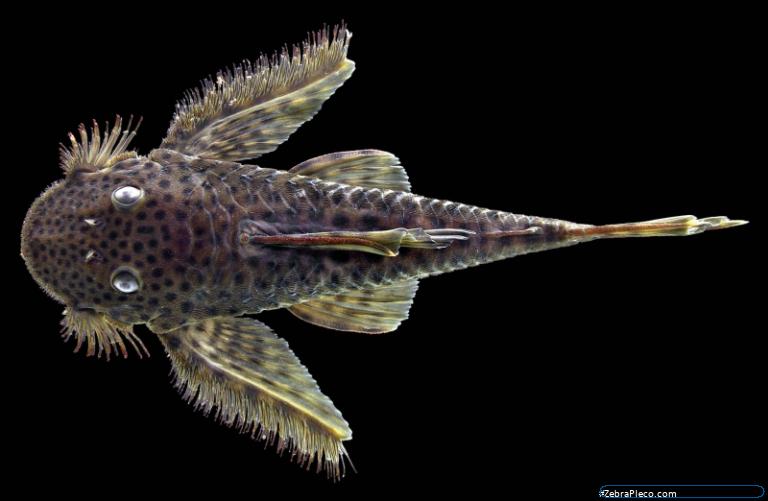
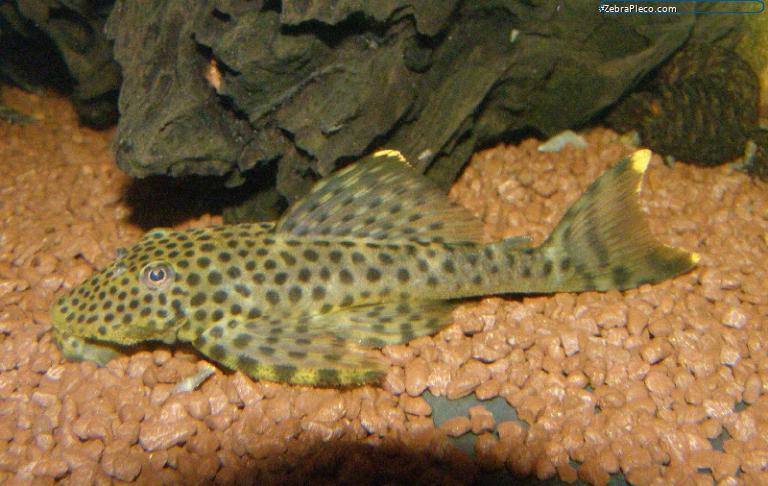
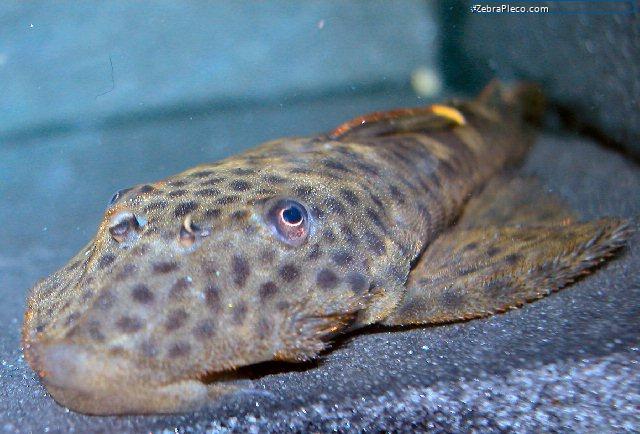
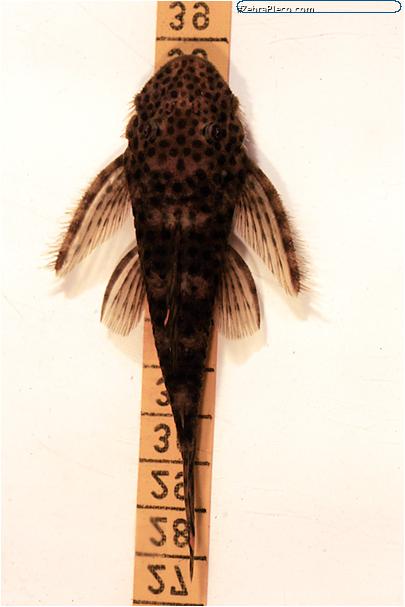
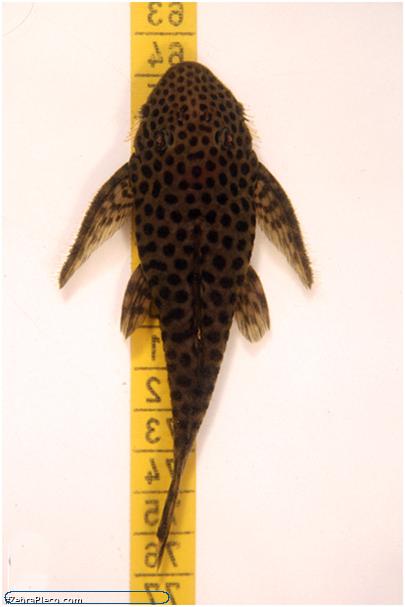
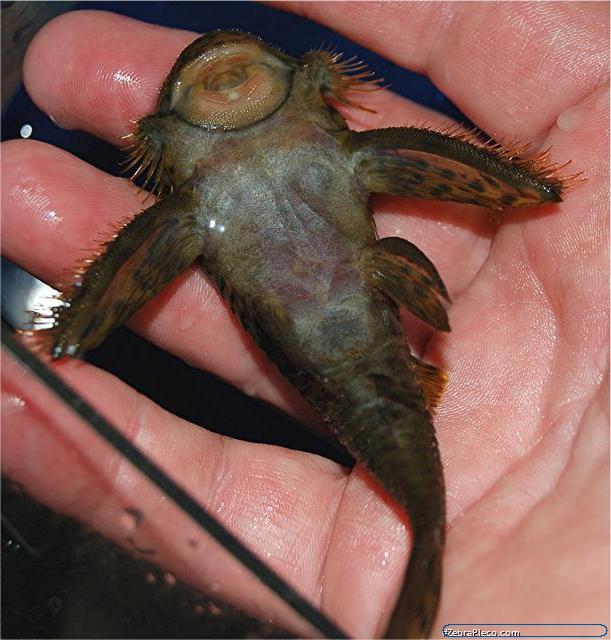
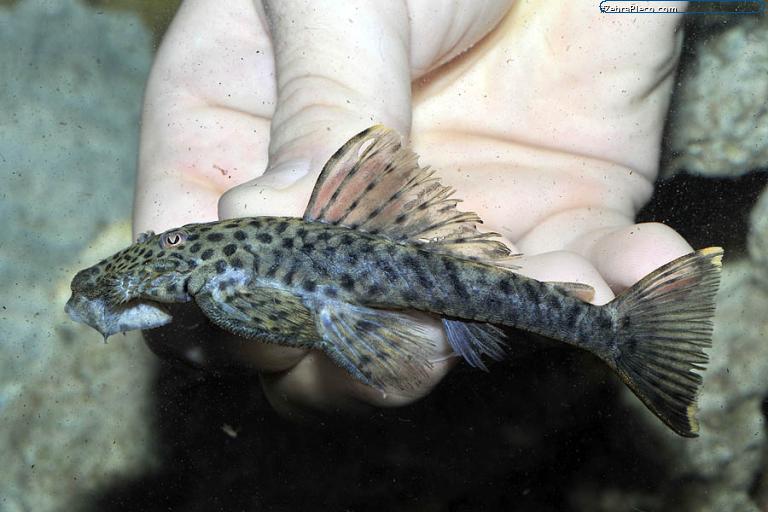
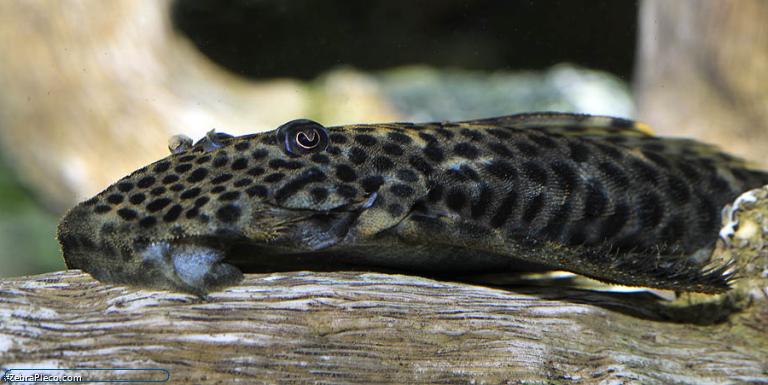
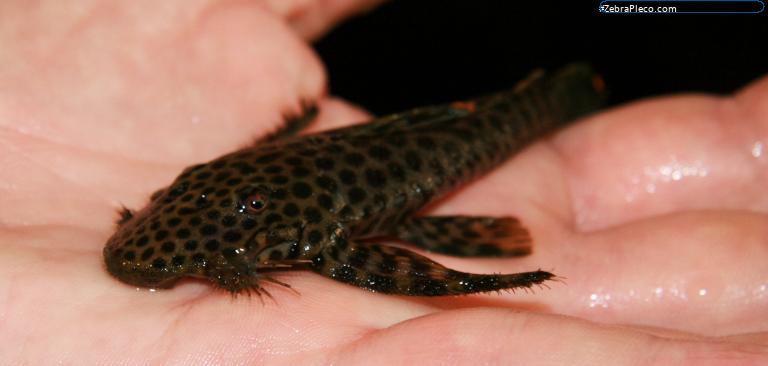
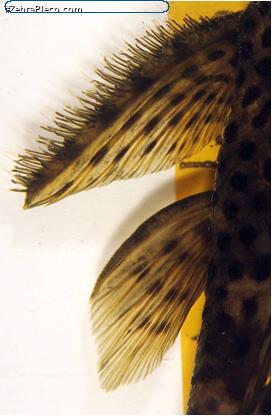
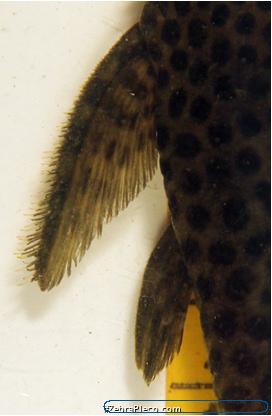
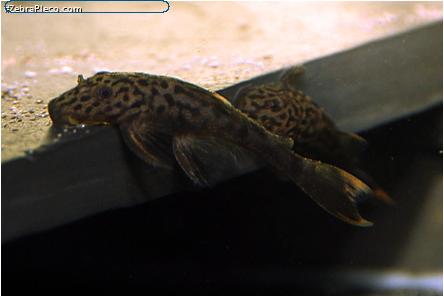
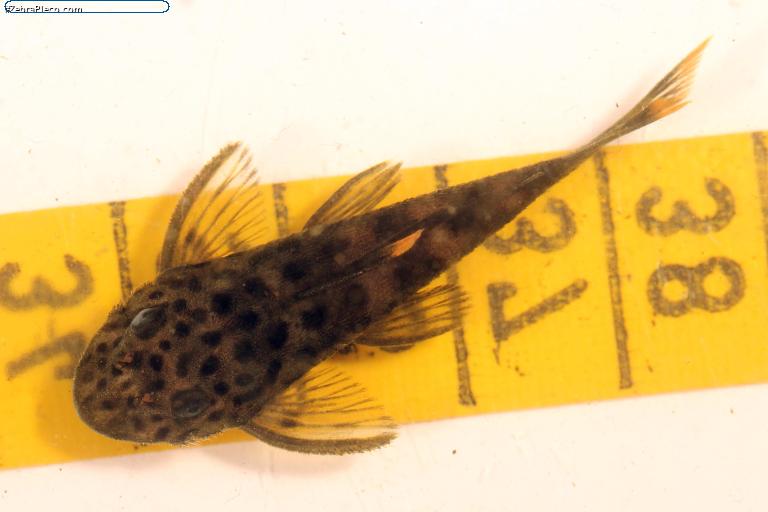
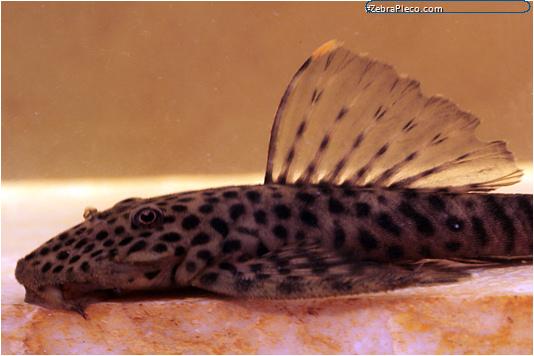
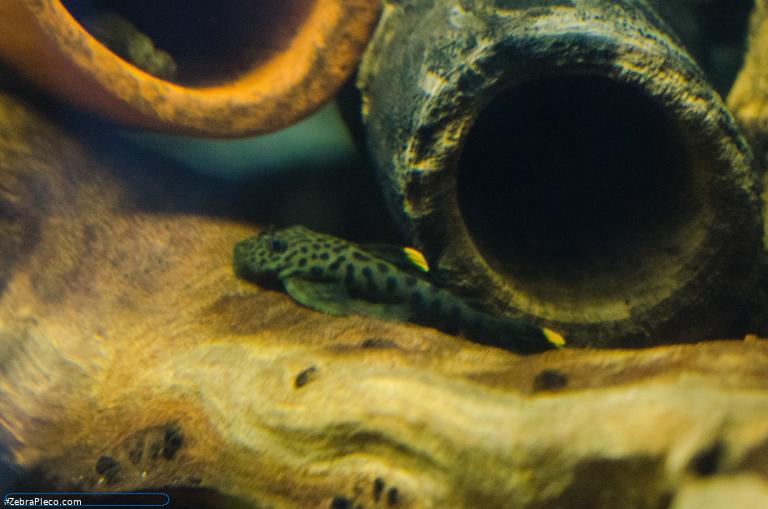
Body colour light with large, black spots at least anteriorly; spots may combine posteriorly to form bars. Tips of dorsal and caudal spines with light orange to cream-coloured spots. Lateral line plates 24-25; dorsal plates 6-9; interdorsal plates 6-7; adipose-caudal plates 6-7; folded dorsal fin plates 11-14; and postanal plates 11-13
Taxonomy, Synonyms & Etymology
Classification history, linguistic derivations and variant forms
Synonyms
Lasiancistrus dumus
Pronunciation
sue doh lith ox uss.
Etymology
Greek, pseudes = false + Greek, lithos = stone + Greek, oxys = sharp.
Literature & Resources
Scientific publications, external links and citation tools
Description Reference
Ichthyological Exploration of Freshwaters v. 11 (no. 3), pp 246, Fig. 3.
External Databases
Related Searches