PAGE_HEADER
Image Showcase
Photographs, diagnostic angles and morphological variants
Community & Keeper Tally
Member interactions, breeding records and forum mentions
Aquarium Care & Husbandry
Dietary requirements, tank setup, compatibility and breeding
Feeding & Diet
Readily eats all manner of live and prepared foods. Will eat smaller fishes. [View Member Food Stats]
Aquarium Furniture & Decor
Provide plenty of driftwood as hiding places.
Compatibility & Suggested Tankmates
Although a fairly peaceful fish, it will eat smaller tankmates and is therefore best kept only with large, robust fishes. Larger cyprinids (e.g.Osteochilus) and larger spiny eels (Mastacembelus) are ideal tankmates.
Breeding Notes
Unreported in the aquarium.
Habitat & Water Parameters
Natural distribution, biotope water conditions and temperature ranges
Geographic Distribution
Asia: rivers of Deccan up to the Krishna river system in India.
Indian waters, Andhra Pradesh State Waters (click on these areas to find other species found there)
Indian waters, Karnataka State Waters (click on these areas to find other species found there)
Indian waters, Ken (click on these areas to find other species found there)
Indian waters, Andhra Pradesh State Waters, Krishna (click on these areas to find other species found there)
Indian waters, Madhya pradesh waters (click on these areas to find other species found there)
Indian waters, Andhra Pradesh State Waters, Krishna, Tungabhadra (click on these areas to find other species found there)
Login to view the map.
Species Description & Identification
Morphology, diagnostic traits and sexual dimorphism
Identification
Bagrid catfishes of the genus Rita Bleeker, 1854 are found in large rivers throughout the
Indian subcontinent and Myanmar, and are capable of reaching sizes to 1500 mm TL (Talwar
and Jhingran, 1991), although mature specimens of ca. 200-300 mm SL are more commonly encountered. The genus is diagnosed by the following synapomorphies (Mo,
1991): single pair of mandibular barbels, elongated Weberian apparatus firmly sutured to
the basioccipital, and the sensory canal on the posttemporal enclosed within the bone.
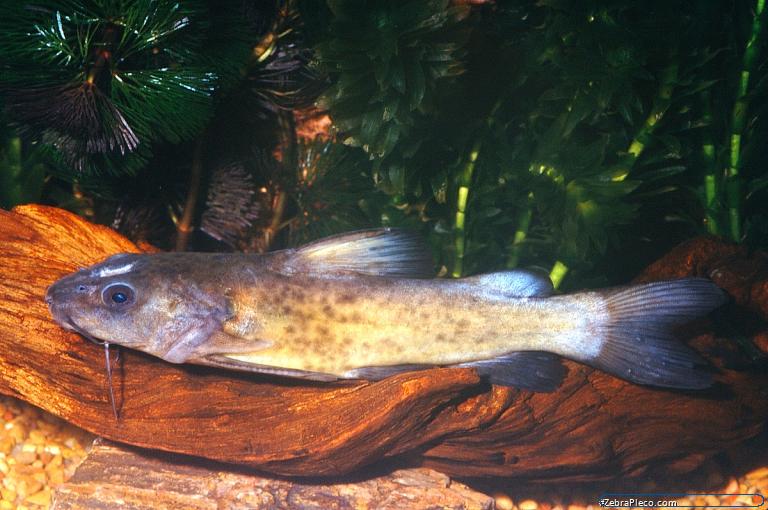
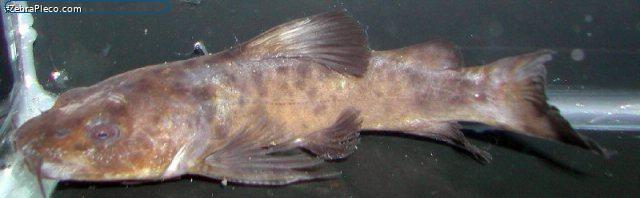
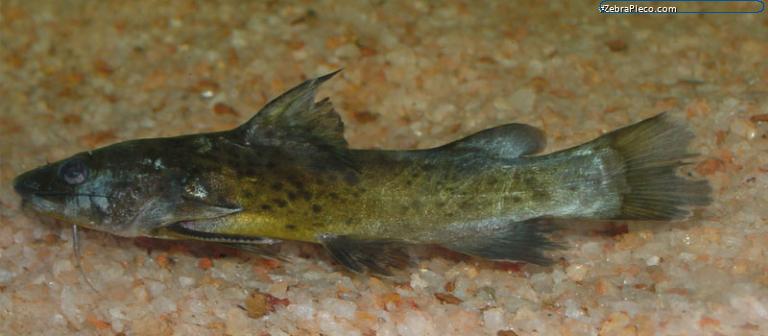
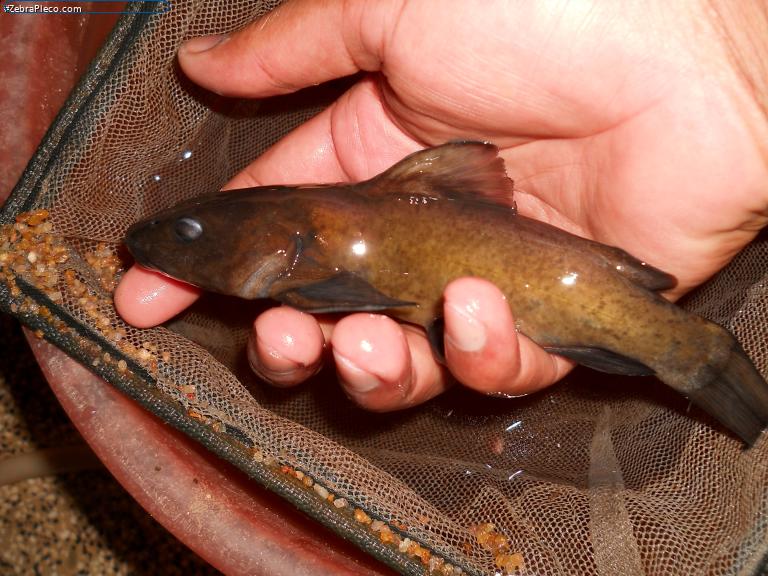
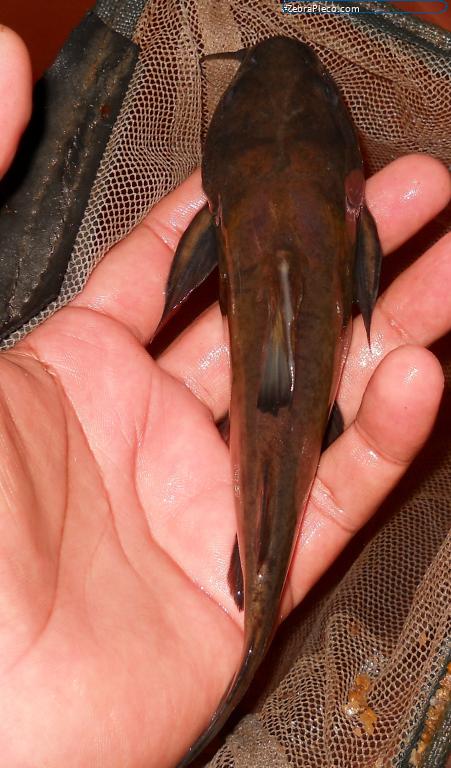
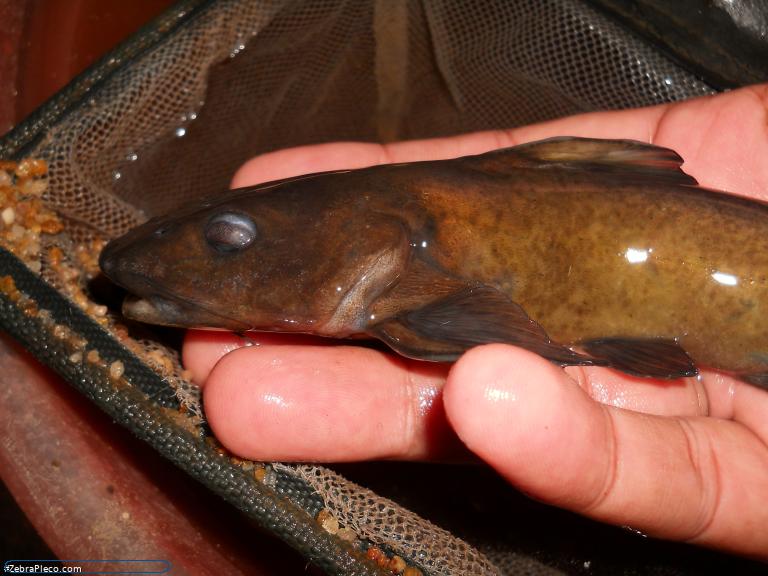
Distinguished by its large eyes, purplish grey colour, top of head covered by thick muscle, and vomerine teeth in two broad ovoid patches.
Sexual Dimorphism (Sexing)
Males have an elongate genital papilla in front of the anal fin.
Taxonomy, Synonyms & Etymology
Classification history, linguistic derivations and variant forms
Synonyms
Arius pavimentatus, Arius pivamentatus, Gogrius sykesii, Phractocephalus gogra, Rita pavimentata, Rita pavimentatus
Pronunciation
REET ah - gow gra
Etymology
The name Rita is derived from the local name of the fish. The name is derived from the local name of the fish, 'gograa' in Maharshtra and 'gograe' in Karnataka. Most of Sykes species are named after regional/local species names.
Literature & Resources
Scientific publications, external links and citation tools
Description Reference
Proceedings of the Zoological Society of London 1838 (pt 6) (for 27 Nov. 1838), pp 164.
External Databases