PAGE_HEADER
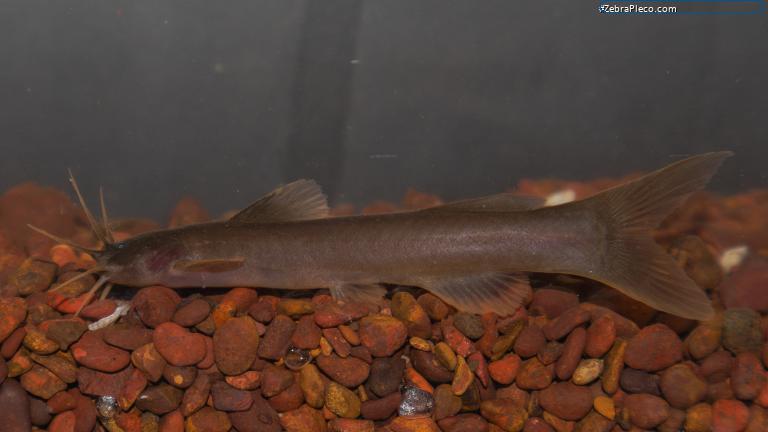
Amblyceps vayavy Vijayakrishnan, Thackeray & Shirke, 2026
Image Showcase
Photographs, diagnostic angles and morphological variants
Community & Keeper Tally
Member interactions, breeding records and forum mentions
Aquarium Care & Husbandry
Dietary requirements, tank setup, compatibility and breeding
Feeding & Diet
Readily eats all manner of live and prepared foods. [View Member Food Stats]
Compatibility & Suggested Tankmates
Tankmates: Other associated fish collected belongs to genera Devario,Danio, Opsarius, Garra, Rasbora, Aborichthys, Schistura, Olyra and Batasio.
Breeding Notes
No member of this genus has been bred in the aquarium.
Habitat & Water Parameters
Natural distribution, biotope water conditions and temperature ranges
Geographic Distribution
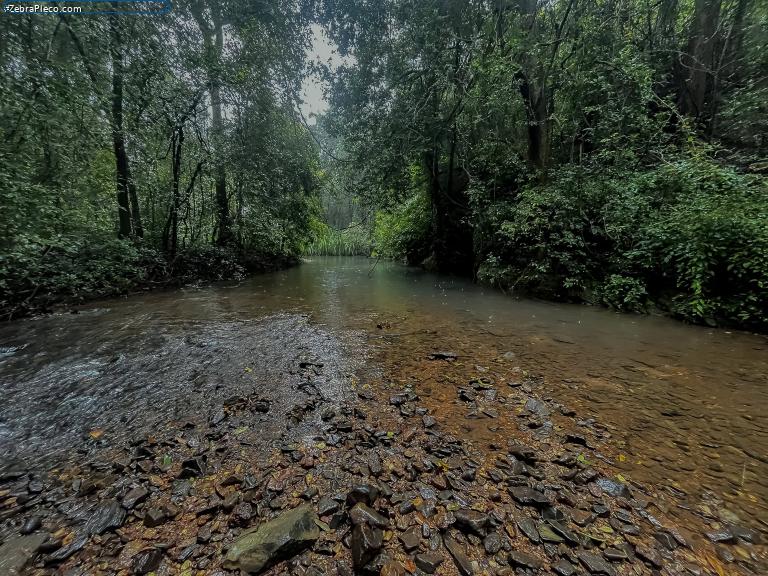
This species is currently known only from two small west-flowing rivers (Mahadayi and Kundalika) in the Indian states of Goa and Maharashtra.
Species Description & Identification
Morphology, diagnostic traits and sexual dimorphism
Identification
The catfish genus Amblyceps is characteristic in having the epiphyseal commissure of the supraorbital sensory canals immediately anterior to, and not passing through the epiphyseal bar; the anterior cranial fontanelle narrowing abruptly along its posterior end offering epiphyseal commisure bony support from frontal; the fifth ceratobranchial expanding medially at its posterior tip; pinnatelike rays along anterior margin of the procurrent and medial caudal-fin rays; a transverse crest along entire posterior margin of roof of supraoccipital and pterotic; the lateroposterior process of horizontal lamina of urohyal short or vestigial,shorter than the horizontal lamina; the upper hypurals fused with compound centrum; the anterior nostril situated immediately anterior to the base of the nasal barbel; and both lips with double folds. It is also
characteristic in having a prominent cup-like skin flap above the base of the pectoral spine.
Amblyceps vayavy can be distinguished from A. accari, the only known congener from the Western Ghats, in having adipose-fin separate from (vs. confluent with) the dorsal procurrent part of caudal fin, lacking (vs. having) centrally projecting hooks on proximal lepidotrichia of median caudal-fin rays, incomplete (vs. complete) lateral line, and a deeper body.
General Remarks
Over a five-year study period (from 2020 to 2025), more than 30 dedicated surveys were undertaken covering various seasons and suitable habitats in the Kundalika River, Maharashtra, where the first report of A. vayavy surfaced from. Despite this intensive sampling effort, only two specimens (~ 10.0 mm TL; released back subsequently) were collected besides the paratype. Although these surveys covered neighbouring rivers (Amba, Patalganga and Mula), A. vayavy was collected only from the Kundalika. Similarly, in the last four years (from 2021 to 2025), multiple surveys were conducted in various tributaries of the Mahadayi River in Goa, and the holotype of A. vayavy was the only specimen collected.
Taxonomy, Synonyms & Etymology
Classification history, linguistic derivations and variant forms
Pronunciation
AHM bli seps - vah-yhav-yah.
Etymology
From the Greek amblys, meaning blunt and kephale, meaning head; in reference to the blunt snout. The specific name vayavy is derived from Konkani (the official language of the state of Goa), and Marathi (the official language of the state of Maharashtra), both meaning northwest, in reference to the type locality and the additional collection location in the northern part of the Western Ghats in India.
Literature & Resources
Scientific publications, external links and citation tools
Description Reference
External Databases
Related Searches