PAGE_HEADER
Hypancistrus parkateje Araújo, Ferreira, Monteiro, & Wosiacki, 2024
Image Showcase
Photographs, diagnostic angles and morphological variants
Community & Keeper Tally
Member interactions, breeding records and forum mentions
Aquarium Care & Husbandry
Dietary requirements, tank setup, compatibility and breeding
Feeding & Diet
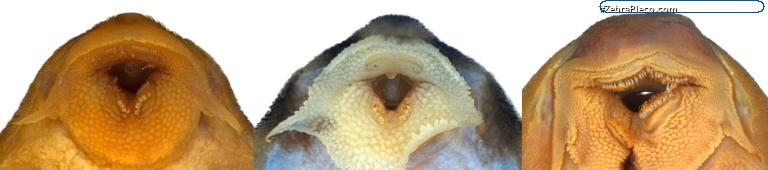
Unlike the popular opinion of many other loricariids, Hypancistrus are more carnivores than algae eaters. This is backed up by a small and lightly toothed mouth that indicates they are poor algae scrapers. Provide small and frequent supply of mainly meaty foods such as dry discus food, bloodworm and even brineshrimp with the infrequent offering of flake or algae tablets. [View Member Food Stats]
Aquarium Furniture & Decor
Sand, primarily rocks and optionally driftwood. Caves made out of slate plates, bamboo or PVC pipe.
Compatibility & Suggested Tankmates
Suitable with most fish, as long as they are not too large or territorial about bottom-space.
Tankmates: Small tetras and other similar small fish. Also Corydoras. Care has to be taken to ensure that they get enough food, as they can be a bit shy and slow to grab food when available.
Habitat & Water Parameters
Natural distribution, biotope water conditions and temperature ranges
Geographic Distribution
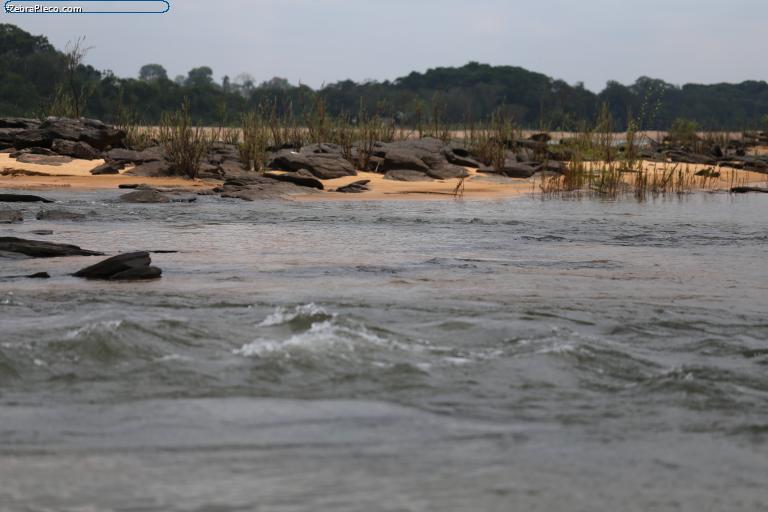
South America: Brazil, Middle Rio Tocantins.
Amazon, Lower Amazon, Tocantins, Middle Tocantins (click on these areas to find other species found there)
Login to view the map.
Species Description & Identification
Morphology, diagnostic traits and sexual dimorphism
Identification
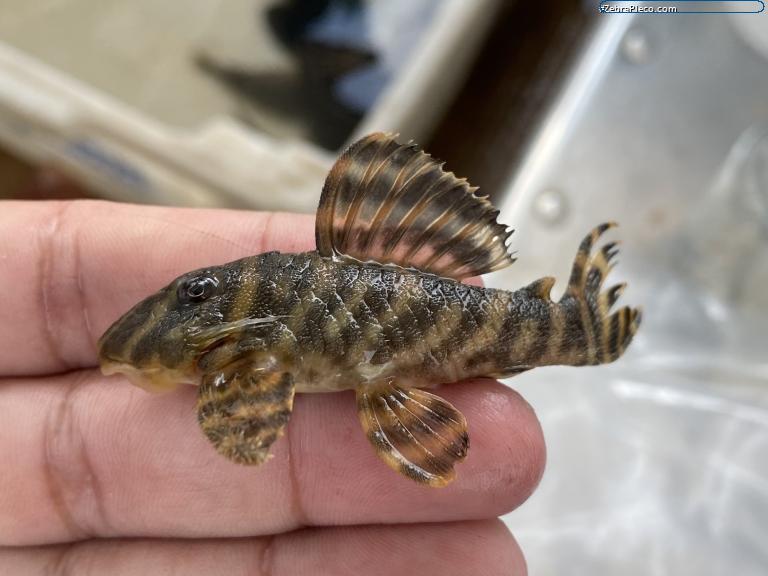
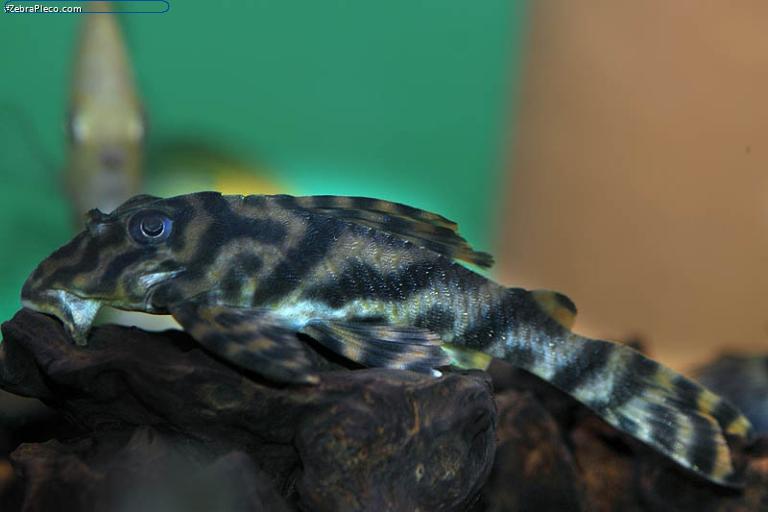
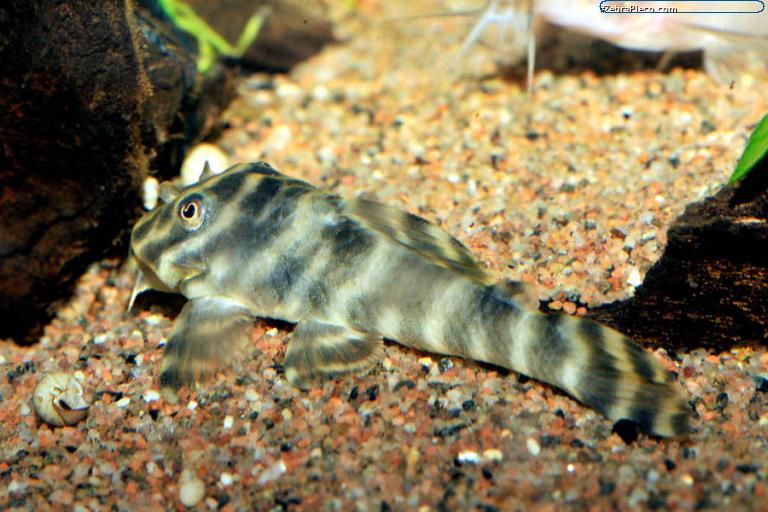
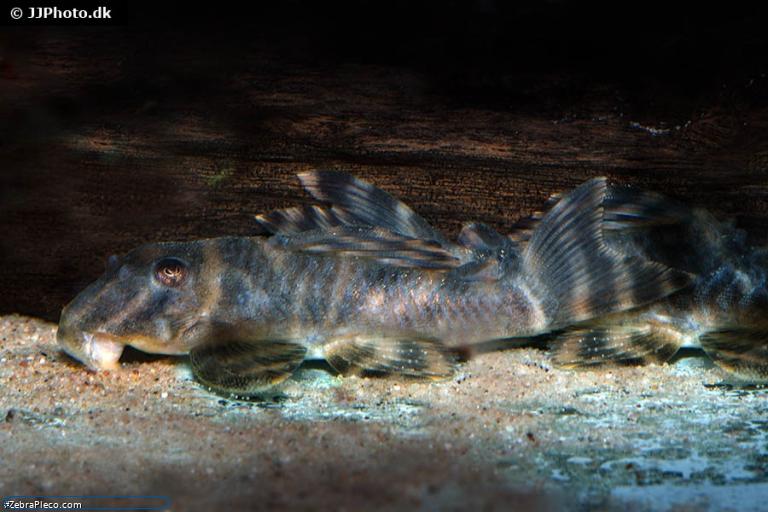
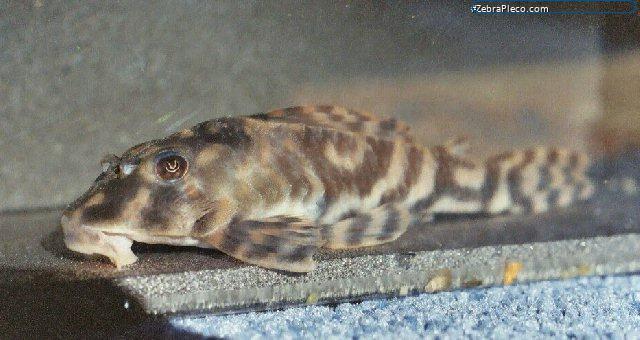
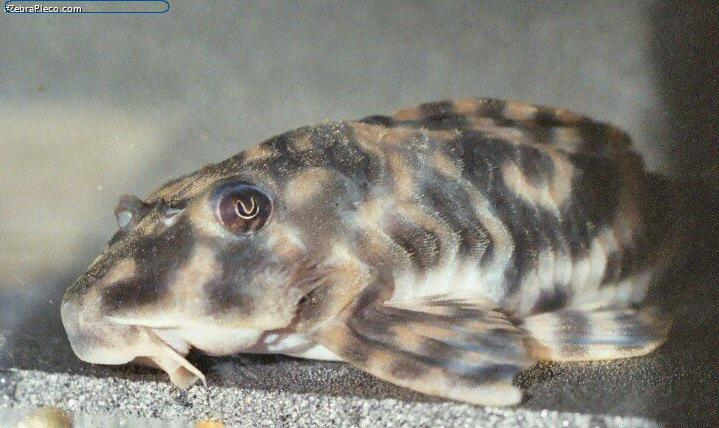
H. parkateje has a yellow-tan base colour covered by a dark banding pattern on the lateral and dorsal surfaces; the width of dark bands is equal to or slightly wider than the intervening areas of yellow-tan base colour. The snout is covered by a dark E-shaped oblique mark, and a thin light bar is present on posterior of head, extending across branchial opening. Dark vertical vermicular bars cover the lateral and dorsal body from pectoral-fin base to caudal peduncle; four dark bars in caudal fin. Ventral surface is pale or white from oral disk to urogenital opening. The species is known for possessing enlarged cheek odontodes reaching beyond the cleithrum and contacting mid-lateral plate rows (vs. odontodes being diminutive or not exceeding the base of the pectoral-fin spine).
Sexual Dimorphism (Sexing)
Mature males have thicker first pectoral ray, more pronounced odontodes on the first pectoral fin ray and odontodes on the cheeks and/or rear of the body, and typically a wider head. Mature females are wider around the middle of the body, and much less noticeable body and fin odontodes.
General Remarks
H. parkateje is similar to Peckoltia sp. L080 and is sometimes collected together with it.
Taxonomy, Synonyms & Etymology
Classification history, linguistic derivations and variant forms
Pronunciation
hype an siss truss
Etymology
A contraction of the Greek hypo (meaning less than) and ancistrus, an allusion to the reduced number of teeth (particularly in the lower jaw) found in this genus. parkateje, a noun in apposition in honour of the Parkatêjê traditional Indigenous community near the sampling site where the holotype was collected (Bom Jesus do Tocantins, Pará, Brazil).
Literature & Resources
Scientific publications, external links and citation tools
Literature & References
External Databases
Related Searches