PAGE_HEADER
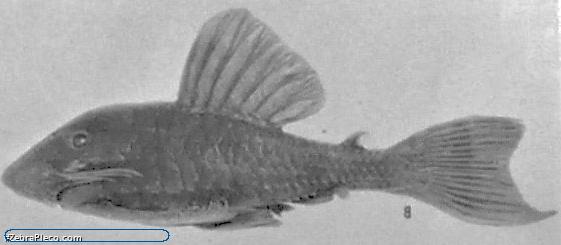
Panaque suttonorum Schultz, 1944
Image Showcase
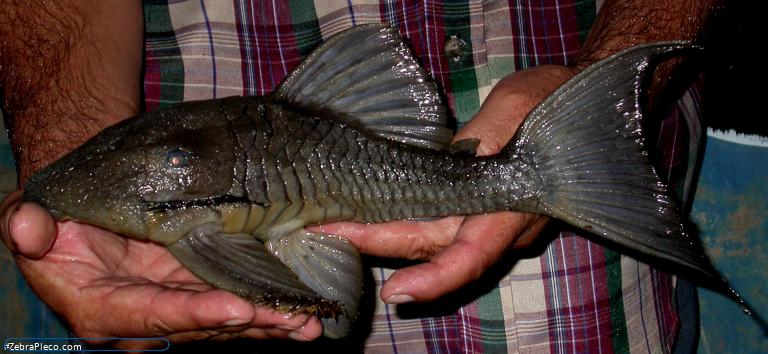
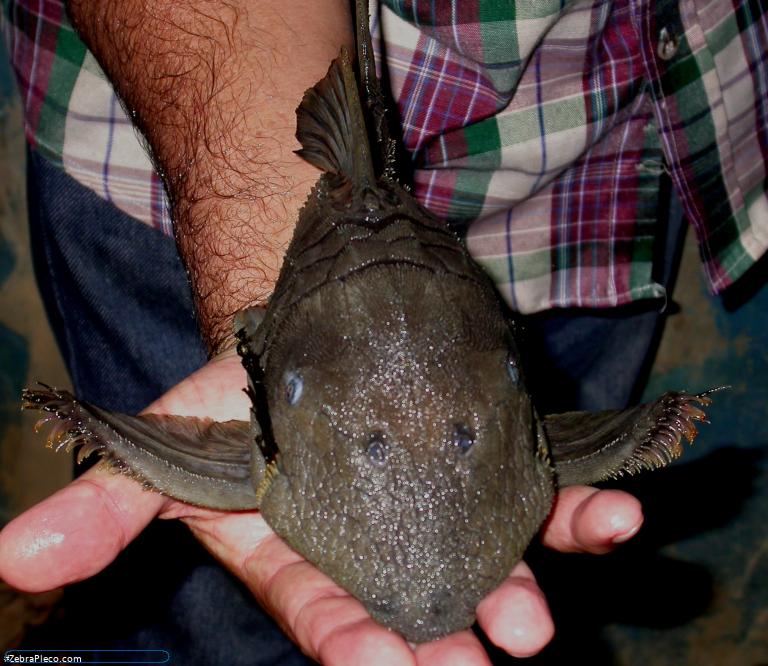
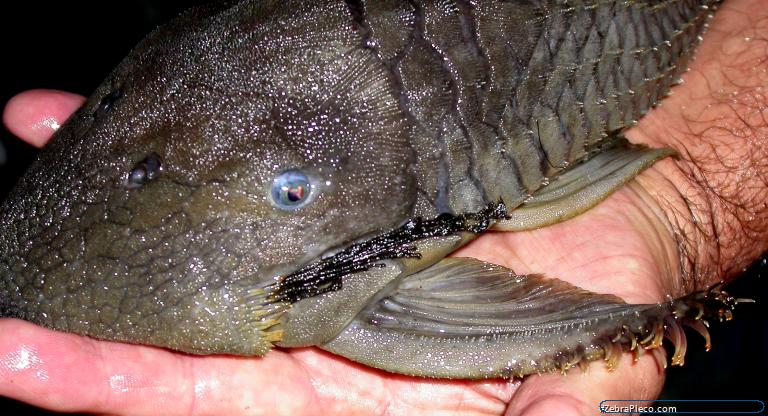
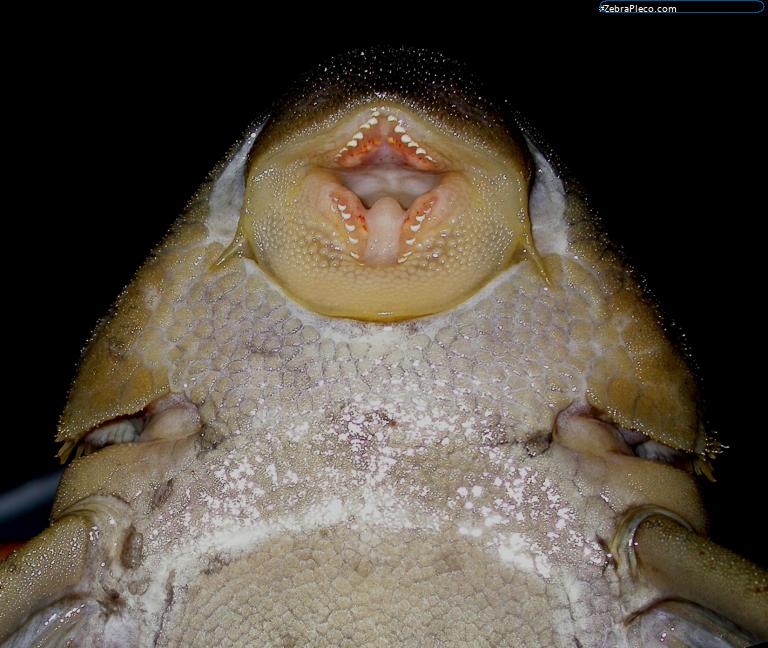
Photographs, diagnostic angles and morphological variants
Community & Keeper Tally
Member interactions, breeding records and forum mentions
Aquarium Care & Husbandry
Dietary requirements, tank setup, compatibility and breeding
Feeding & Diet
All Panaque appear to feed on wood, so wood should be present in the tank. They also take prepared algae wafers and fresh vegetables (zucchini, cucumber, peas, green beans) and tubers (potato, yams and similar). [View Member Food Stats]
Aquarium Furniture & Decor
Natural habitat is among fallen trees and wood-tangles.
Compatibility & Suggested Tankmates
Generally peaceful, but may defend their territory against conspecifics.
Breeding Notes
Unreported in the aquarium.
Habitat & Water Parameters
Natural distribution, biotope water conditions and temperature ranges
Geographic Distribution
South America: western and eastern tributaries of Maracaibo Lake, Venezuela.
Lake Maracaibo (click on these areas to find other species found there)
Amazon, Upper Amazon, Napo Imported (click on these areas to find other species found there)
Login to view the map.
Species Description & Identification
Morphology, diagnostic traits and sexual dimorphism
Identification
The genus Panaque is identified by the teeth, which are spoon-shaped. This means that the teeth are noticeably wider at the tip than at the base. Other loricariidae have teeth that are similar width all the way from one end to the other. A second distinguishing feature is the lack of a buccal papilla, which is a "flap of skin" on the inside of the mouth. See pictures in this PDF on Pterygoplichthys.
The Venezuelan blue eye panaque and the Colombian blue eye Panaque Panaque cochliodon have been confused in the aquarium hobby for years. Because the Venezuelan species is restricted to western and eastern tributaries of Maracaibo Lake, Venezuela it is never imported without this locality information being clear and imports are from Colombia.
Sexual Dimorphism (Sexing)
Unknown
General Remarks
You will also see this the name P. suttoni used in most hobbyist literature, this has also proved incorrect. According to the rules of the International Code of Zoological nonclamenture, a species named after a man AND woman should end in ''orum''. This fact was only more recently uncovered by Dr. Issac Isbrücker in 2005. The Colombian blue eye panaque and the Venezuelan blue eye panaque are similar in gross morphology and colour. Both have lunate caudal fins, a uniformly grey to black body, and blue eyes. Lujan, Hidalgo, and Stewart (2010) theorize that the two are sister species.
Taxonomy, Synonyms & Etymology
Classification history, linguistic derivations and variant forms
Synonyms
Panaque suttoni
Pronunciation
pan ah KAY. - sut ton uhr um
Etymology
The generic epithet "panaque" is a Venezuelan common name for this fish. In honour of Dr. and Mrs. Frederick A. Sutton.
Literature & Resources
Scientific publications, external links and citation tools
Description Reference
Proceedings of the United States National Museum v. 94 (no. 3172), pp 308, Pl. 10 (fig. B).
External Databases
Related Searches