PAGE_HEADER
Rhamdia quelen (Quoy & Gaimard, 1824)
Image Showcase
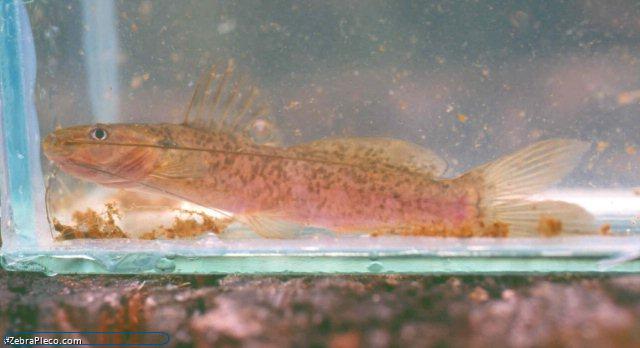
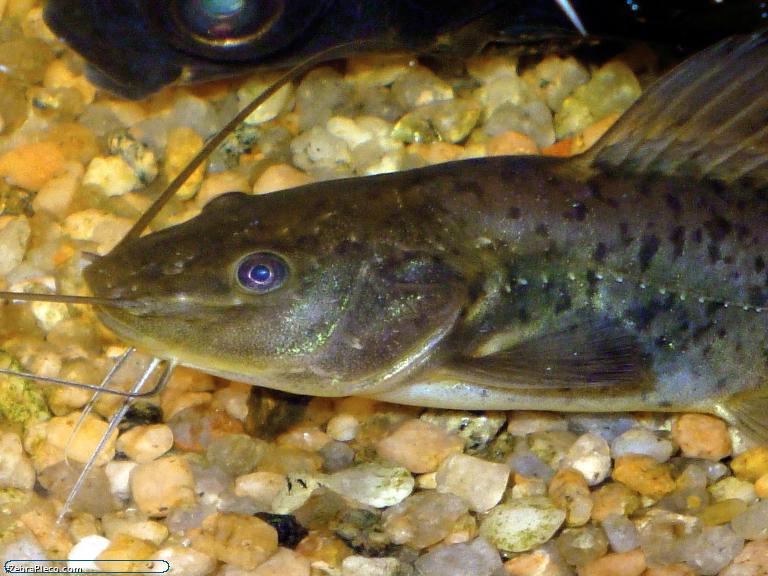
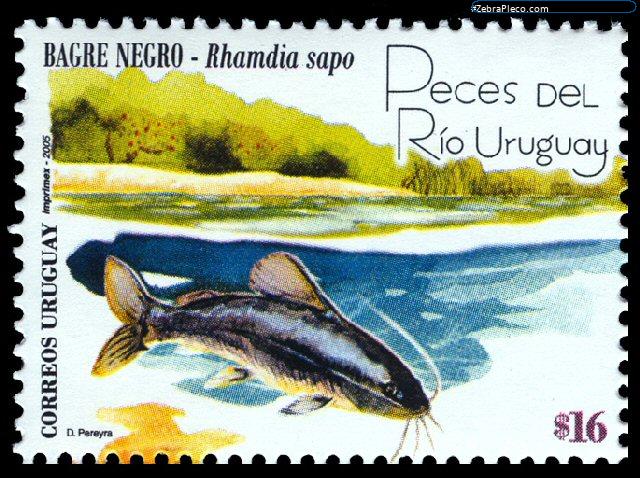
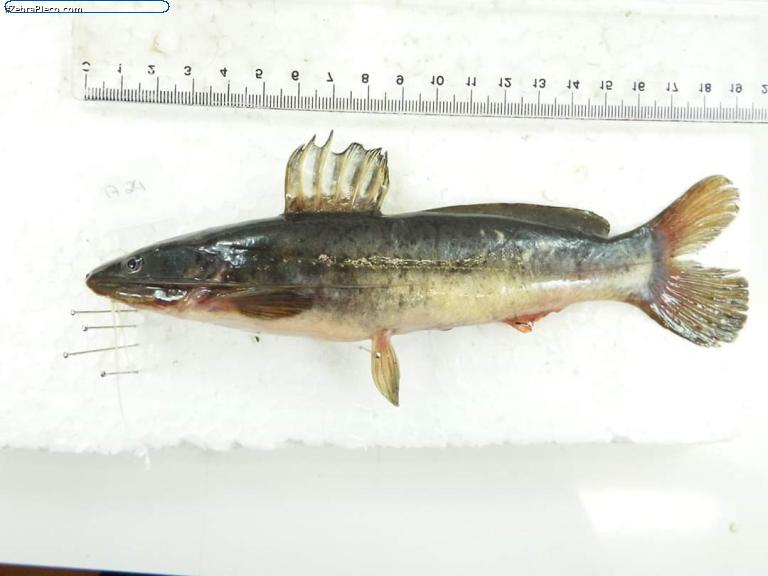
Photographs, diagnostic angles and morphological variants
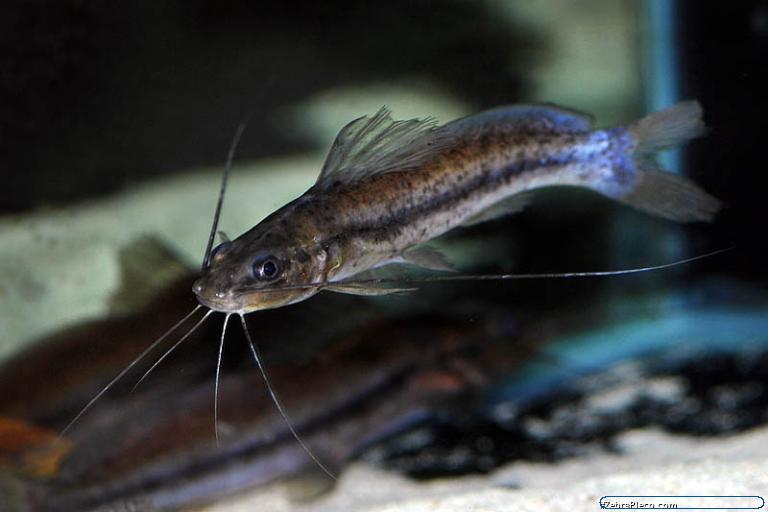
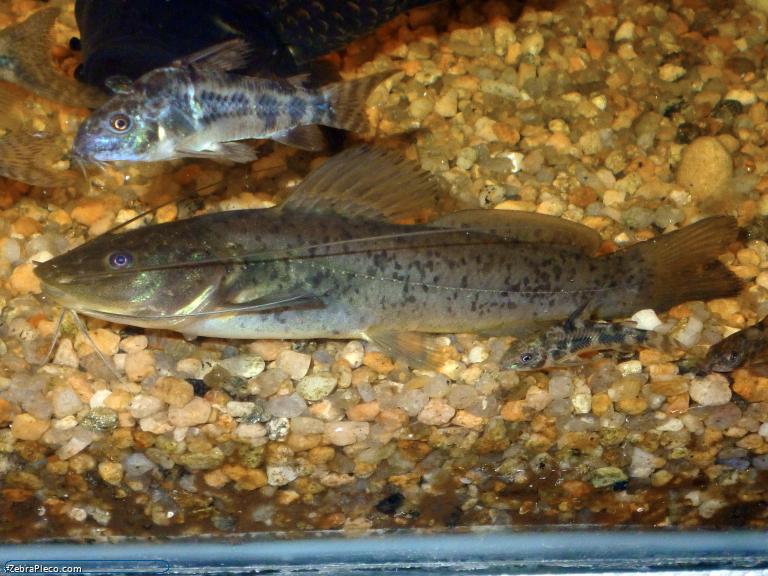
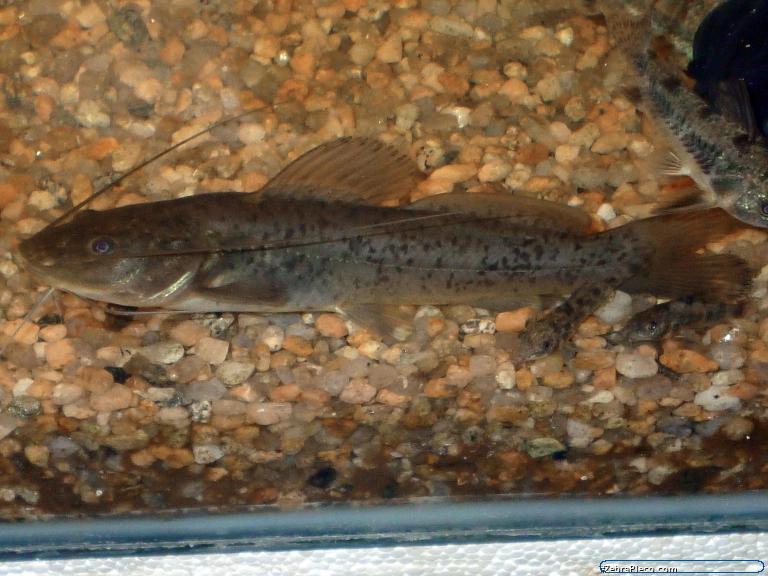
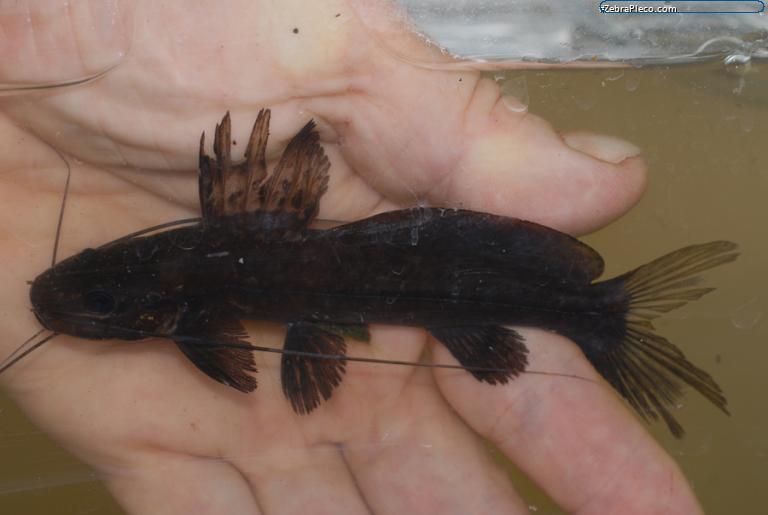
Community & Keeper Tally
Member interactions, breeding records and forum mentions
Aquarium Care & Husbandry
Dietary requirements, tank setup, compatibility and breeding
Feeding & Diet
Not a fussy eater and will take all manner of prepared and live foods. Will eat smaller tankmates. [View Member Food Stats]
Aquarium Furniture & Decor
Some driftwood/rocks/pipes as hiding spaces.
Compatibility & Suggested Tankmates
Should only be housed with large, robust fish (large central American cichlids are ideal), as smaller tankmates will be eaten. Territorial and aggressive towards conspecifics.
Tankmates: Large, robust fish (such as central American cichlids).
Breeding Notes
Not reported in aquarium, but bred for aquaculture as food fish. Non-adhesive demersal eggs (1.1 to 2.8 mm diameter) are laid down, hatching after about 48 hours at 22°C. Ten days later, the larvae weigh approximately 100 mg but growth is slow (0.5 to 1.15 g per day).
Habitat & Water Parameters
Natural distribution, biotope water conditions and temperature ranges
Geographic Distribution
Central and South America: Suriname and Argentina.
Rio de Janeiro State Rivers (click on these areas to find other species found there)
Amazon, Lower Amazon, Tocantins, Lower Tocantins, Acará Imported (click on these areas to find other species found there)
La Plata, Paraná, Paranaíba, Araguari Imported (click on these areas to find other species found there)
Sao Paulo State Rivers, Ribeira de Iguape, Betari Imported (click on these areas to find other species found there)
Amazon, Lower Amazon, Guamá, Capim Imported (click on these areas to find other species found there)
La Plata, Uruguay, Upper Uruguay, Chapecó Imported (click on these areas to find other species found there)
São Francisco, Cipó Imported (click on these areas to find other species found there)
Espirito Santo State Rivers, Doce Imported (click on these areas to find other species found there)
Ecuador Pacific Coast Rivers, Esmeraldas Imported (click on these areas to find other species found there)
Sao Paulo State Rivers, Iguape Imported (click on these areas to find other species found there)
La Plata, Paraná, Iguatemi Imported (click on these areas to find other species found there)
Ceará State Rivers, Jaguaribe Imported (click on these areas to find other species found there)
Sao Paulo State Rivers, Iguape, Juquiá Imported (click on these areas to find other species found there)
La Plata, Paraná, Paraguay, Upper Paraguay, Miranda Imported (click on these areas to find other species found there)
Paraíba do Norte Imported (click on these areas to find other species found there)
Rio de Janeiro State Rivers, Paraíba do Sul, Paraitinga Imported (click on these areas to find other species found there)
La Plata, Paraná, Paranapanema Imported (click on these areas to find other species found there)
Ceará State Rivers, Jaguaribe, Salgado Imported (click on these areas to find other species found there)
Amazon, Lower Amazon, Tapajós, Upper Tapajós, Teles Pires Imported (click on these areas to find other species found there)
Login to view the map.
Species Description & Identification
Morphology, diagnostic traits and sexual dimorphism
Identification
It is distinguished from congeners in having the following unique combination of characters: pectoral fin spine with serrae on both sides, caudal fin lobes subequal or with either lobe slightly longer, posterior nostril velum open posterolaterally, gill raker 5-16, post-Weberian vertebrae 36-44, eye medium sized.
Sexual Dimorphism (Sexing)
The genital papilla of males tends to be larger and more well developed.
Taxonomy, Synonyms & Etymology
Classification history, linguistic derivations and variant forms
Synonyms
Caecorhamdella urichi, Caecorhamdia urichi, Heterobranchus sextentaculatus, Pimelenotus vilsoni, Pimelodus baronismuelleri, Pimelodus bathyurus, Pimelodus boucardi, Pimelodus cinerascens, Pimelodus cuyabae, Pimelodus deppei, Pimelodus godmanni, Pimelodus hilarii, Pimelodus micropterus, Pimelodus musculus, Pimelodus namdia, Pimelodus parahybae, Pimelodus pentlandii, Pimelodus quelen, Pimelodus queleni, Pimelodus queleni cuprea, Pimelodus sapo, Pimelodus sebae, Pimelodus sellonis, Pimelodus stegelichii, Pimelodus wagneri, Pimelodus wuchereri, Rhamdia barbata, Rhamdia baronismuelleri, Rhamdia bransfordii, Rhamdia cinerascens, Rhamdia depressa, Rhamdia godmani, Rhamdia guatemalensis depressa, Rhamdia heteracantha, Rhamdia hilarii, Rhamdia lehmanni, Rhamdia microps, Rhamdia mounseyi, Rhamdia nasuta, Rhamdia pentlandi, Rhamdia pubescens, Rhamdia riojae, Rhamdia sayaensis, Rhamdia sebae, Rhamdia vilsoni, Rhamdia wagneri, Silurus rivularis
Pronunciation
ram dee ah - kwee (or KEY) lenn
Etymology
The name Rhamdia is apparently a misspelling of 'nhamdiâ', an orthographic variant of the Tupi-Guarani name for the fish, 'jandiá'. The species is named after the abbe Quelen, who accompanied Quoy and Gaimard on their travels.
Literature & Resources
Scientific publications, external links and citation tools
Description Reference
Voyage autour du monde, pp 228, Pl. 49 (figs. 3-4).
External Databases
Related Searches