PAGE_HEADER
Brachyrhamdia marthae Sands & Black, 1985
Image Showcase
Photographs, diagnostic angles and morphological variants
Community & Keeper Tally
Member interactions, breeding records and forum mentions
Aquarium Care & Husbandry
Dietary requirements, tank setup, compatibility and breeding
Feeding & Diet
Will eat most foods to the point of bursting. Care must be taken not too overfeed especially with foods that expand once inside the fish. Live foods are relished but best used for acclimatising or conditioning individuals. [View Member Food Stats]
Aquarium Furniture & Decor
An open expanse of gravel for this fish to interact with its conspecifics or Corydoras is necessary to see it at its best. Floating plants will diffuse overhead light and thus allow the fish a greater sense of security when out in the open. The swimming area should be bordered with suitable sized hiding places structured to allow this fast swimming fish both quick entry and exit.
Compatibility & Suggested Tankmates
Slightly territorial with its own kind but generally peaceful. Not to be trusted with very small fish or fry.
Breeding Notes
Unreported in the aquarium.
Habitat & Water Parameters
Natural distribution, biotope water conditions and temperature ranges
Geographic Distribution
South America: Juruá and Mamoré/Madeira River basins.
Amazon, Upper Amazon, Ampiyacu (click on these areas to find other species found there)
Amazon, Juruá (click on these areas to find other species found there)
Amazon, Middle Amazon (Solimoes), Madeira (click on these areas to find other species found there)
Amazon, Middle Amazon (Solimoes), Madeira, Mamoré (click on these areas to find other species found there)
Login to view the map.
Species Description & Identification
Morphology, diagnostic traits and sexual dimorphism
Identification
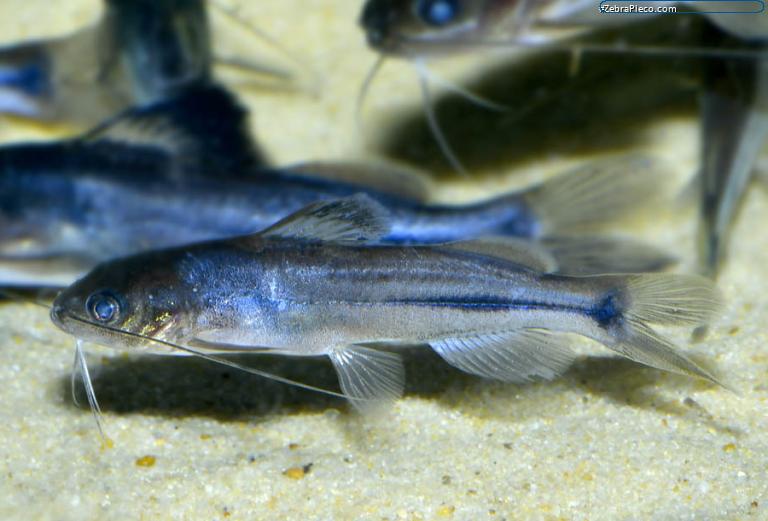
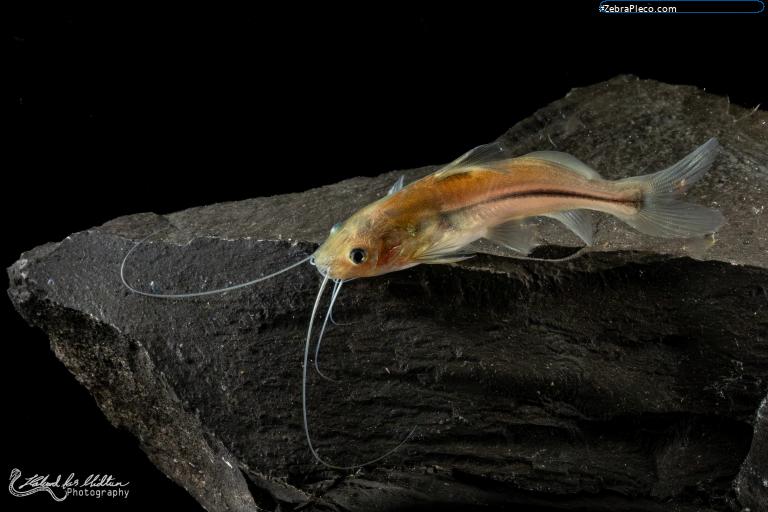
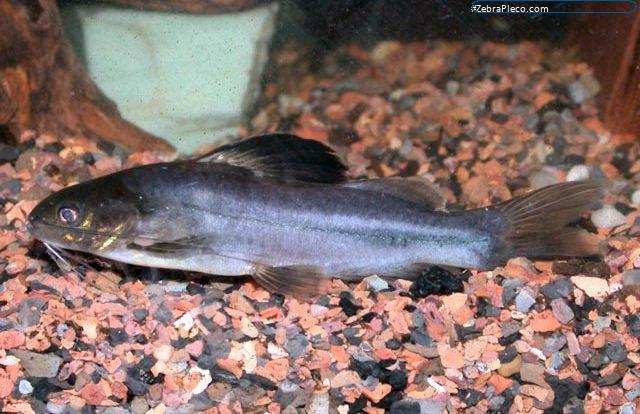
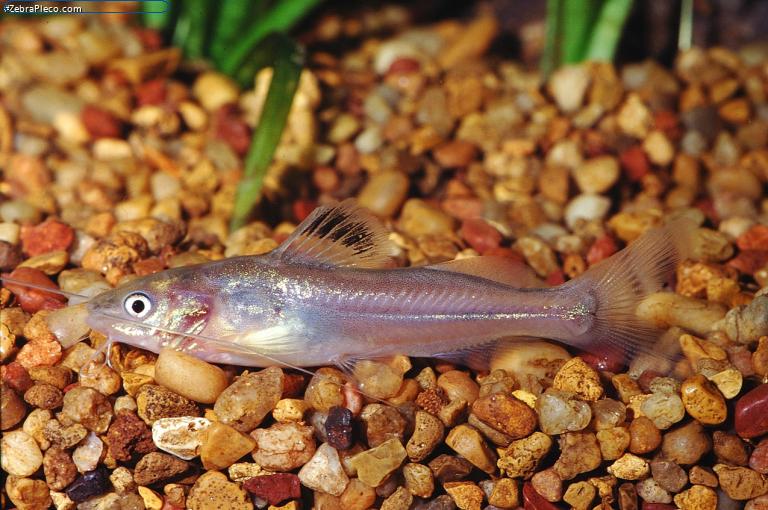
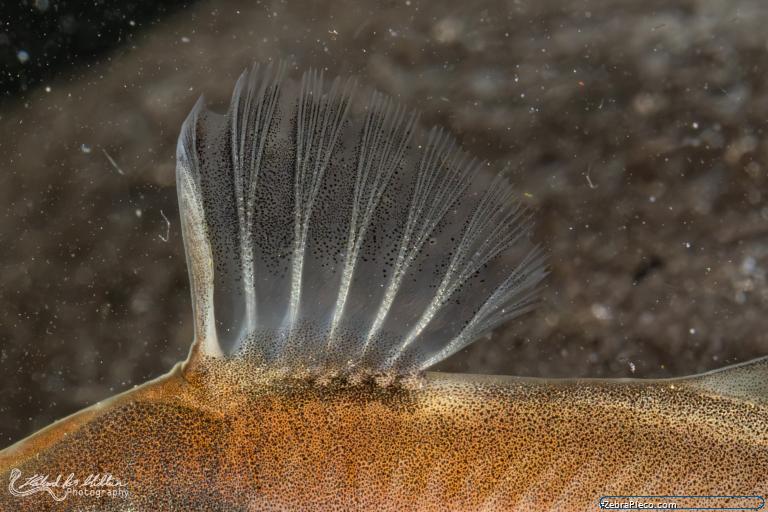
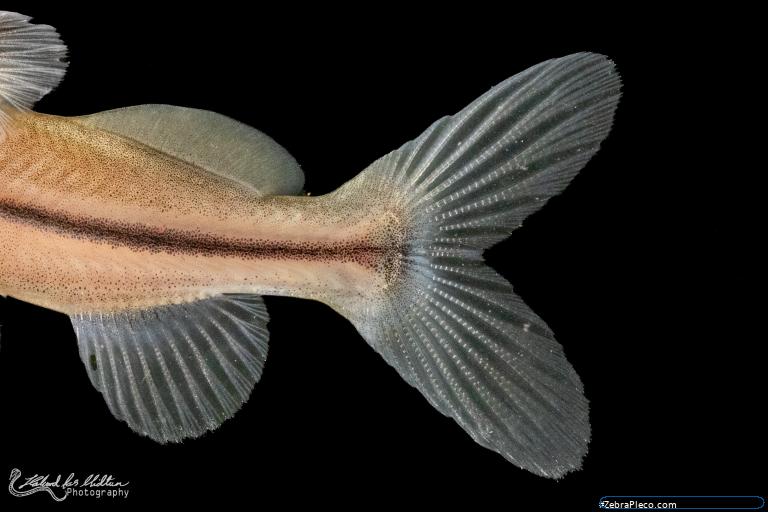
Similar to B. meesi but that species has a black head stripe running vertically through the eye. In B. marthae the dorsal fin marking is larger and spreads across the entire upper section of the fin.
Sexual Dimorphism (Sexing)
Unknown
Taxonomy, Synonyms & Etymology
Classification history, linguistic derivations and variant forms
Synonyms
Pimelodella marthae, Rhamdia marthae
Pronunciation
bra key ram dee ah - MAR th ae
Etymology
Greek, brachys, -eia = shor + Brazilian vernacular name, Nhamdia/Jamdia.
There are 2 other speciesCarnegiella marthae
Tatia marthae with this specific name.
Literature & Resources
Scientific publications, external links and citation tools
Literature & References
External Databases
Related Searches