PAGE_HEADER
Pseudolaguvia vespa
Image Showcase
Photographs, diagnostic angles and morphological variants
Community & Keeper Tally
Member interactions, breeding records and forum mentions
Aquarium Care & Husbandry
Dietary requirements, tank setup, compatibility and breeding
Feeding & Diet
Known to take only live food like blood worms, frozen brine shrimp etc. Spot feeding will help in case tank mates are voracious feeders. [View Member Food Stats]
Compatibility & Suggested Tankmates
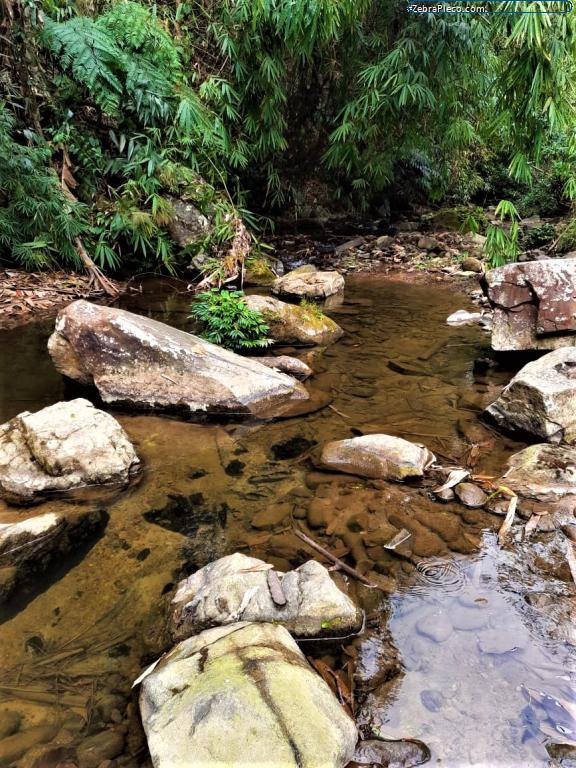
A peaceful species suitable for a hillstream biotope. Extreme care should be taken while choosing their tankmates as these fish are extremely poor at competing for food.
Tankmates: Cyprinids like Barilius and Danio and Balitorine loaches like Homaloptera species.
Breeding Notes
No member of this genus has been bred in the aquarium.
Habitat & Water Parameters
Natural distribution, biotope water conditions and temperature ranges
Geographic Distribution
Pseudolaguvia vespa is presently known only from the type locality but is likely to have a wider distribution in Nagaland, India.
Indian waters, North Eastern India Waters, Padma, Jamuna, Brahmaputra (click on these areas to find other species found there)
Indian waters (click on these areas to find other species found there)
Indian waters, North Eastern India Waters (click on these areas to find other species found there)
Login to view the map.
Species Description & Identification
Morphology, diagnostic traits and sexual dimorphism
Identification
Members of the genus Pseudolaguvia are small erethistid catfishes inhabiting hill streams and large rivers in the area bordered by the Ganges River drainage (northern India) to the west and the Sittang River drainage (east-central Myanmar) to the east. They can be distinguished from other sisorids by their small size,a combination of a thoracic adhesive apparatus with a median depression and prominent postcoracoid processes.
General Remarks
This species is consumed locally and is even considered to be a delicacy.
Taxonomy, Synonyms & Etymology
Classification history, linguistic derivations and variant forms
Pronunciation
sue doh lah GOO vee ah - ves paa.
Etymology
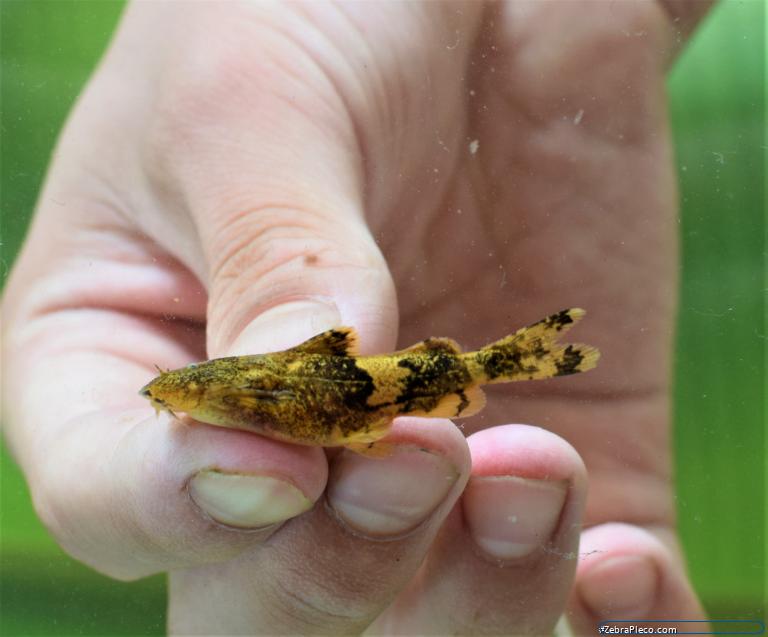
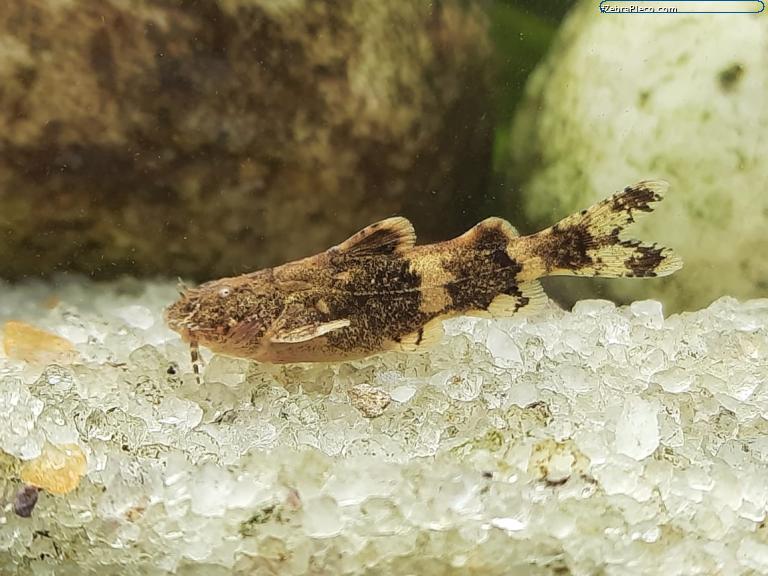
The specific name vespa is derived from the Latin, meaning wasp, in reference to the alternating chrome-yellow and brown stripes on the body resembling a wasp. Used as an adjective.
There is 1 other speciesAkysis vespa with this specific name.
Literature & Resources
Scientific publications, external links and citation tools
Literature & References
External Databases
Related Searches