PAGE_HEADER
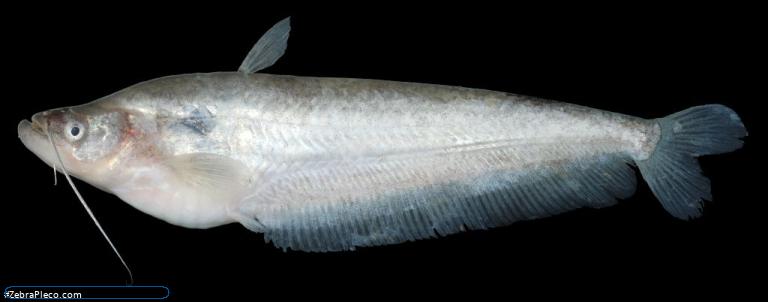
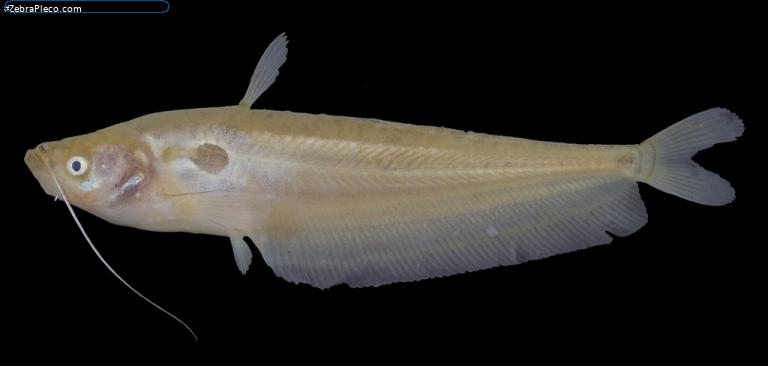
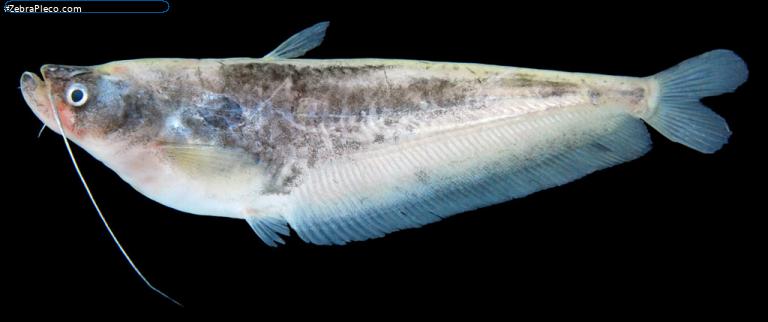
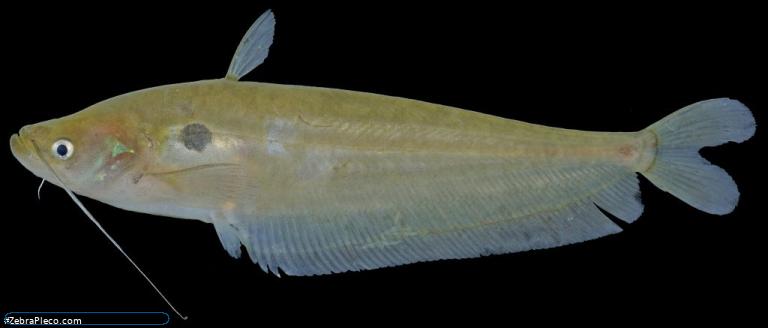
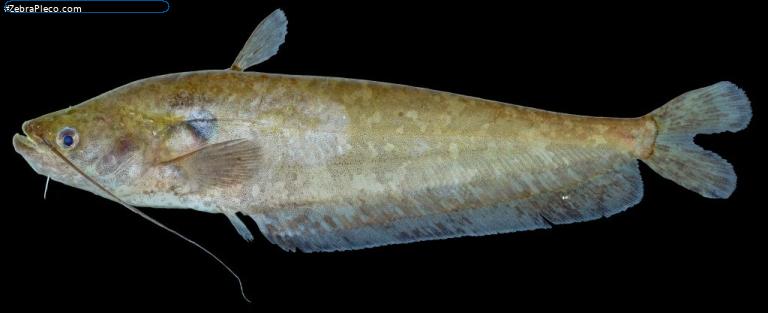
Ompok bimaculatus (Bloch, 1794)
Image Showcase
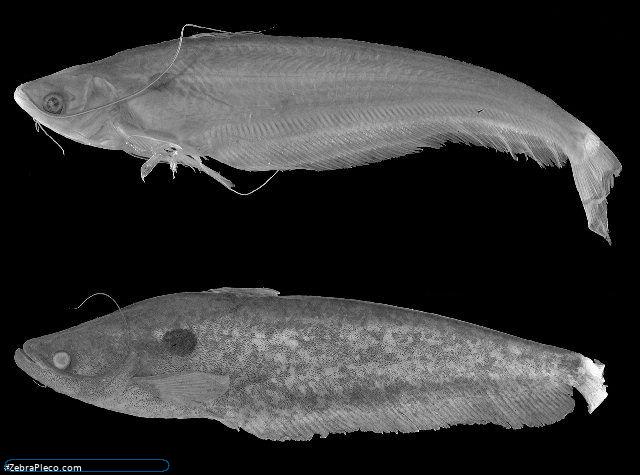
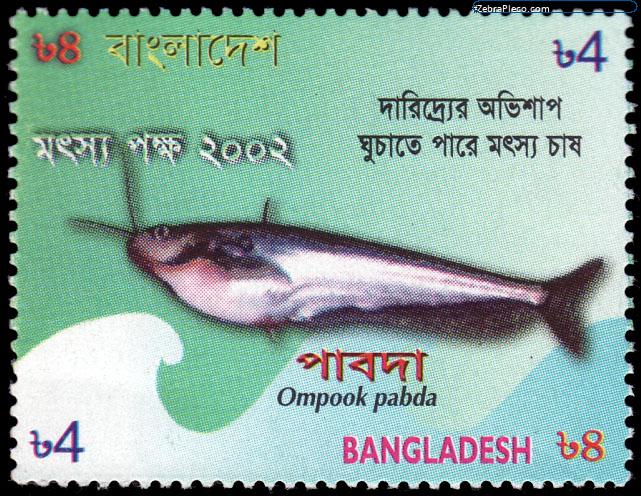
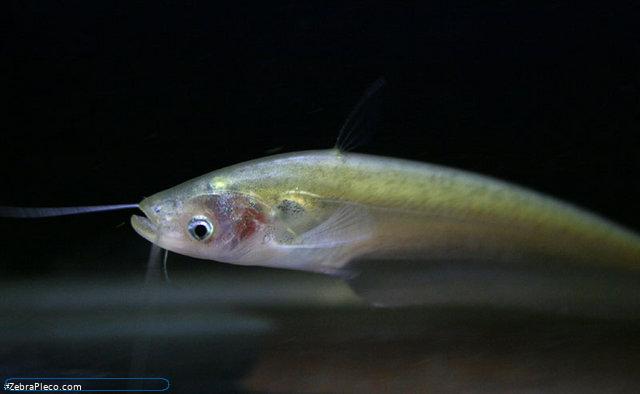
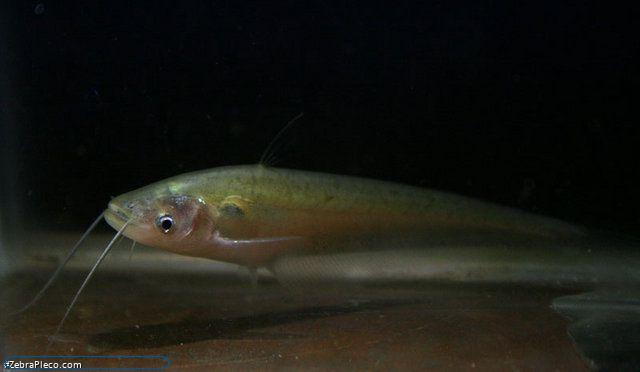
Photographs, diagnostic angles and morphological variants
Community & Keeper Tally
Member interactions, breeding records and forum mentions
Aquarium Care & Husbandry
Dietary requirements, tank setup, compatibility and breeding
Feeding & Diet
Readily feeds on live/frozen foods and other prepared foods such as pellets. Will also eat small fishes/shrimps. [View Member Food Stats]
Aquarium Furniture & Decor
Provide plenty of hiding spaces in the form of driftwood or PVC pipes. Prefers an area of open water when active. Current preferred.
Compatibility & Suggested Tankmates
A relatively peaceful species that is compatible with most fish of equal size or larger. Not safe with small fishes.
Breeding Notes
Not known in the aquarium. Has been bred using hormone injections in India. See also Photoperiod manipulation leads to successful voluntary captive spawning of butter catfish Ompok bimaculatus during the non-spawning breeding season.
Habitat & Water Parameters
Natural distribution, biotope water conditions and temperature ranges
Geographic Distribution
Asia: Afghanistan to China, Thailand and Borneo. Endangered status in the Western Ghats, India.
Bangladesh Waters (click on these areas to find other species found there)
Pacific, Greater Sunda Island Rivers, Borneo Waters (click on these areas to find other species found there)
Cambodia waters (click on these areas to find other species found there)
Indian waters (click on these areas to find other species found there)
Pacific, Malaysia Waters (click on these areas to find other species found there)
Thailand Waters (click on these areas to find other species found there)
Login to view the map.
Species Description & Identification
Morphology, diagnostic traits and sexual dimorphism
Identification
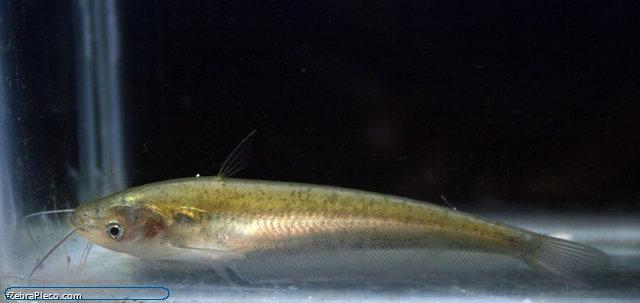
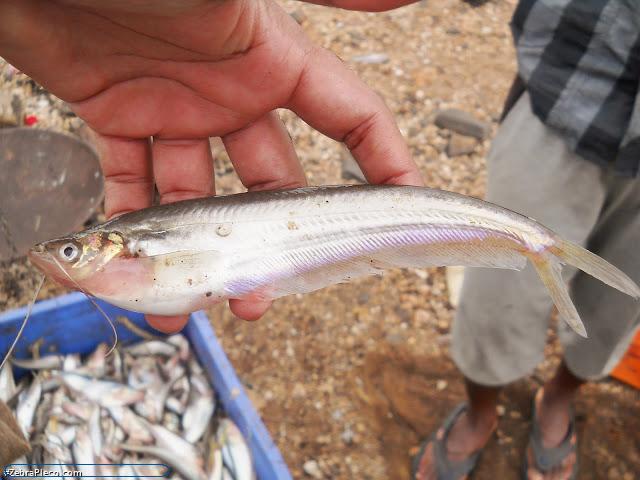
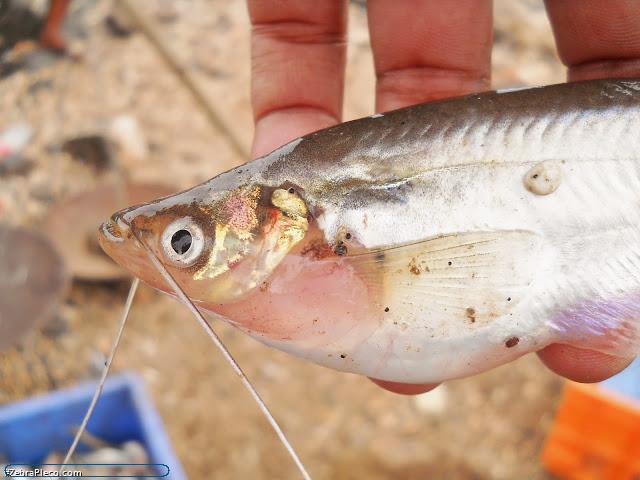
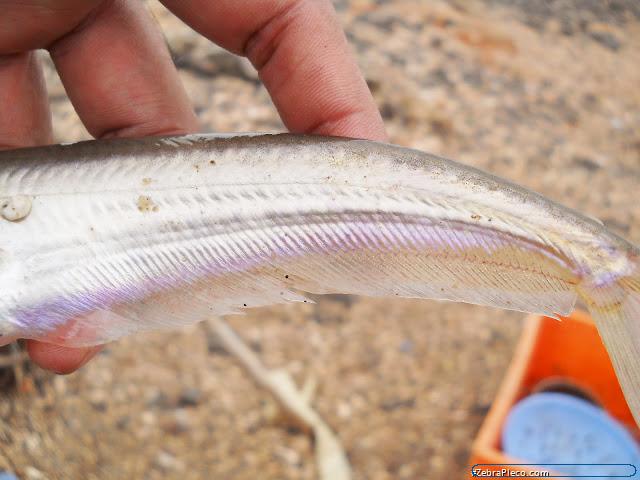
The catfish genus Ompok La Cepède, 1803, consists of medium-sized silurid fishes found in inland waters throughout South and Southeast Asia. The genus is traditionally diagnosed by the presence of a short dorsal fin with 4 rays, strongly forked caudal fin, subcutaneous eye that is set immediately posterior to the mouth rictus and two patches of palatal teeth (Weber & de Beaufort, 1913). Bornbusch (1995) showed that Ompok, as currently understood, is probably paraphyletic.
The two spots are found above and behind the pectoral-fin base and the other at the base of the caudal peduncle. The fish often idebntified as O. bimaculatus (and most commonly encountered in the aquarium trade) is a Southeast Asian species, Ompok siluroides which has a rounder head and a mottled brown colouration, while O. bimaculatus are silvery and have a sharper head.
Sexual Dimorphism (Sexing)
Males are more slender and have strong serrations on the posterior edge of the pectoral spine (females lack these serrations).
Taxonomy, Synonyms & Etymology
Classification history, linguistic derivations and variant forms
Synonyms
Callichrous bimaculatus, Callichrous chechra, Callichrous gangeticus, Callichrous macrophthalmus, Callichrous nebulosus, Callichrus affinis, Callichrus nebulosus, Ompak bimaculatus, Ompok siluroides, Phalacronotus siluroides, Pseudosilurus bimaculatus, Pseudosilurus macropthalmos, Pseudosilurus macropthalmus, Silurus affinis, Silurus bimaculatus, Silurus chechra, Silurus duda, Silurus microcephalus, Silurus mysoricus, Silurus nebulosus, Wallago bimaculatus, Wallago microcephalus
Pronunciation
Awm pok
Etymology
The etymology of Ompok is unclear. It is believed to be a corruption of the Indonesian name for mid-sized silurid catfishes, limpok. The specific epithet comes from the Latin bis meaning two, and macula, meaning spot; in reference to the presence of two dark spots in this species.
There are 3 other speciesAstyanax bimaculatus
Mystus bimaculatus
Plesiopuntius bimaculatus with this specific name.
Literature & Resources
Scientific publications, external links and citation tools
Description Reference
Naturgeschichte der ausländischen Fische v. 8, pp 24, Pl. 364.
External Databases
Related Searches