PAGE_HEADER
Pseudostegophilus nemurus (Günther, 1869)
Image Showcase
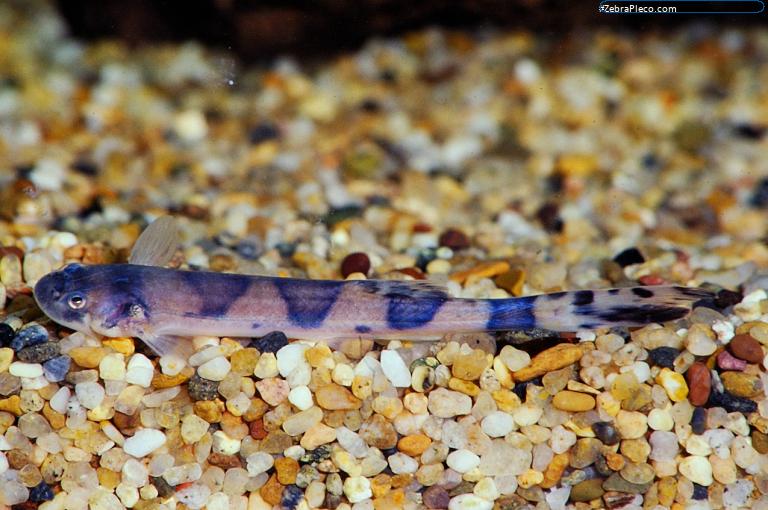
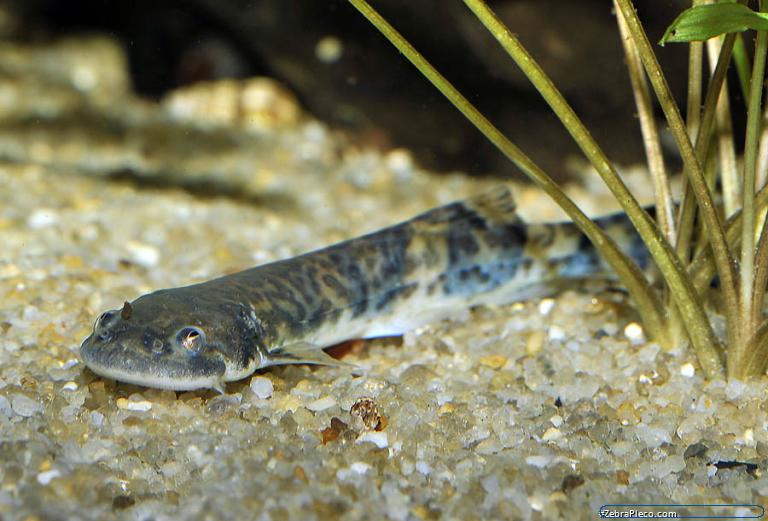
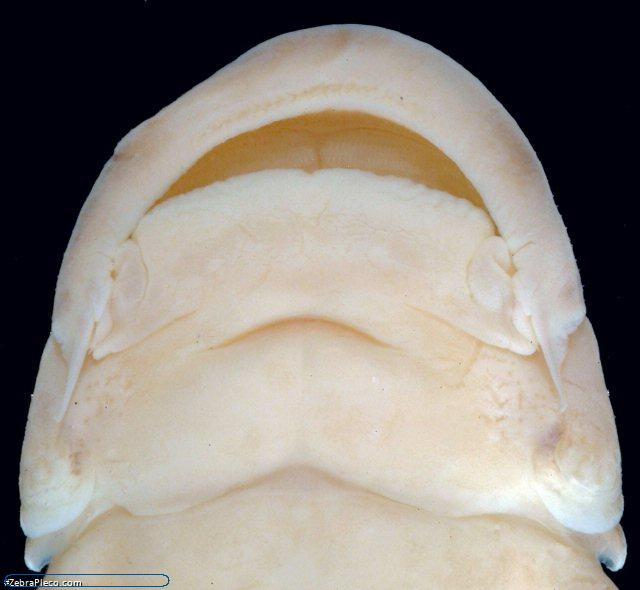
Photographs, diagnostic angles and morphological variants
Community & Keeper Tally
Member interactions, breeding records and forum mentions
Aquarium Care & Husbandry
Dietary requirements, tank setup, compatibility and breeding
Feeding & Diet
An obligate parasite. This species feeds on the scales and mucus of other living fish and wil bite chunks out of other fishes kept with it. Will not accept any other foods. [View Member Food Stats]
Aquarium Furniture & Decor
Provide some rocks and driftwood for it to shelter during the day.
Compatibility & Suggested Tankmates
Because of the nature of its diet, this is a species only fish, that can not be kept with any fish other than prey/feeder fish.
Breeding Notes
Unreported in the aquarium.
Habitat & Water Parameters
Natural distribution, biotope water conditions and temperature ranges
Geographic Distribution
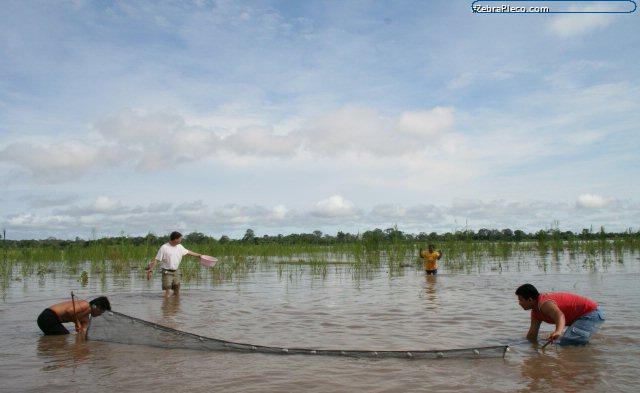
South America: Amazon River basin.
Amazon, Upper Amazon (click on these areas to find other species found there)
Amazon, Juruá Imported (click on these areas to find other species found there)
Login to view the map.
Species Description & Identification
Morphology, diagnostic traits and sexual dimorphism
Taxonomy, Synonyms & Etymology
Classification history, linguistic derivations and variant forms
Synonyms
Stegophilus nemurus
Pronunciation
Sue doh STEG oh fill uss - Nee MOO russ
Etymology
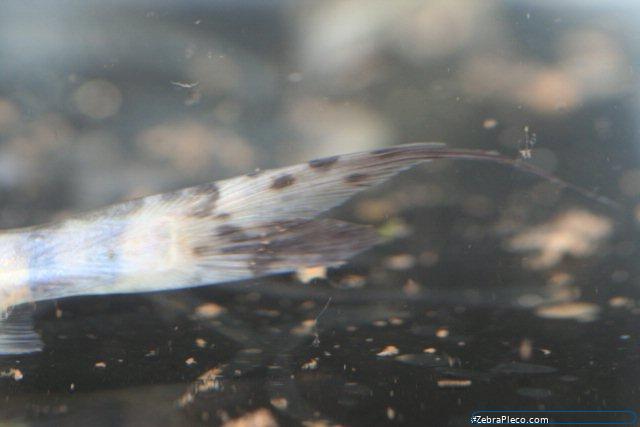
Pseudostegophilus: From the Greek pseudes, meaning false, stego, meaning cover and philein, meaning to like; in reference to the resemblance to Stegophilus ("lover of cover", in reference to the secretive nature), another trichomycterid genus. The specific name comes from the Greek nema, meaning thread, and ouros, meaning tail, in reference to the filamentous extension of the upper caudal-fin lobe.
There is 1 other speciesHemibagrus nemurus with this specific name.
Literature & Resources
Scientific publications, external links and citation tools
Description Reference
Proceedings of the Zoological Society of London 1869 (pt 2), pp 429
External Databases
Related Searches