PAGE_HEADER
Rineloricaria parva (Boulenger, 1895)
Image Showcase
Photographs, diagnostic angles and morphological variants
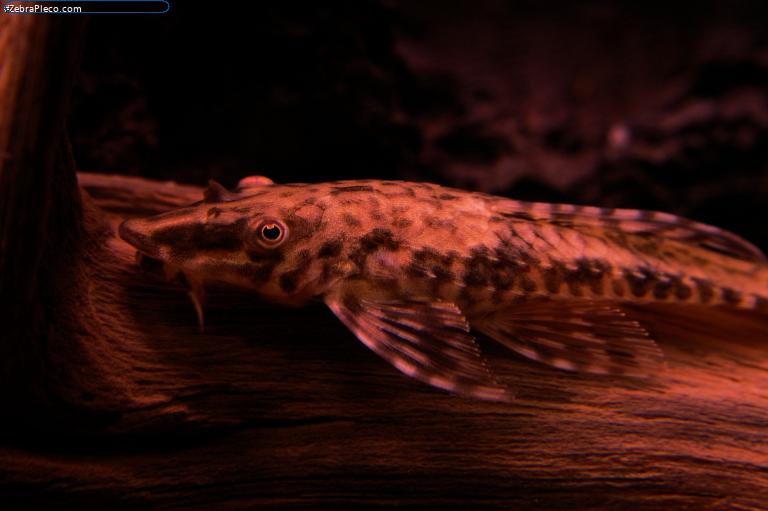
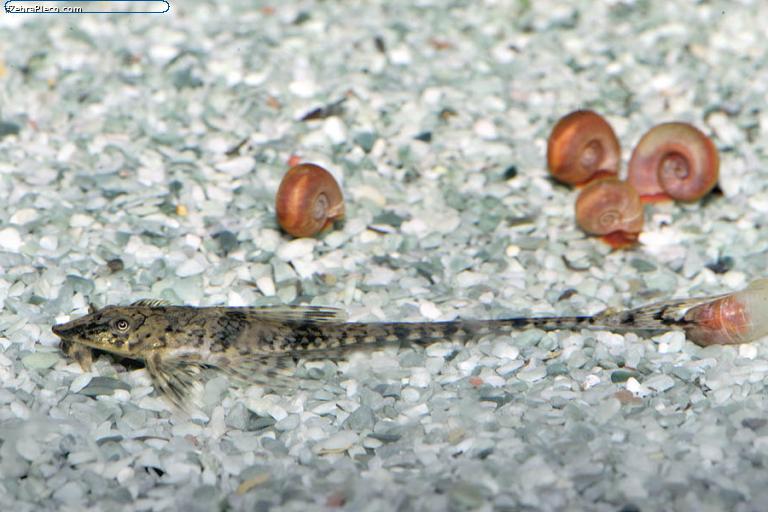
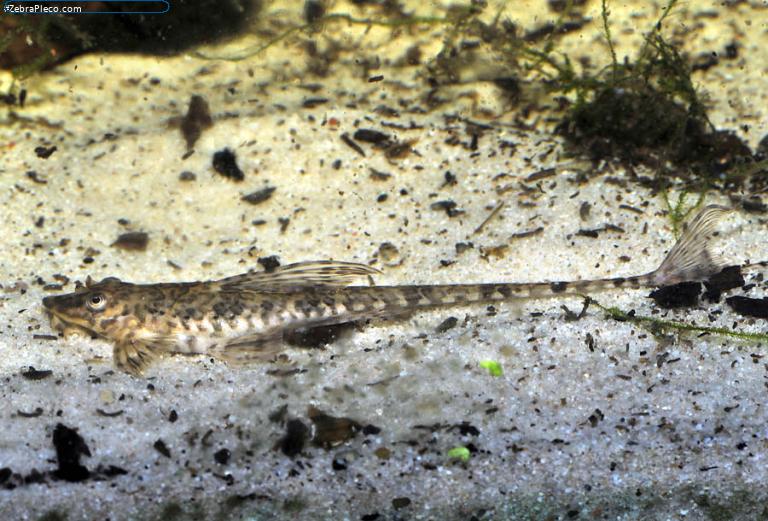
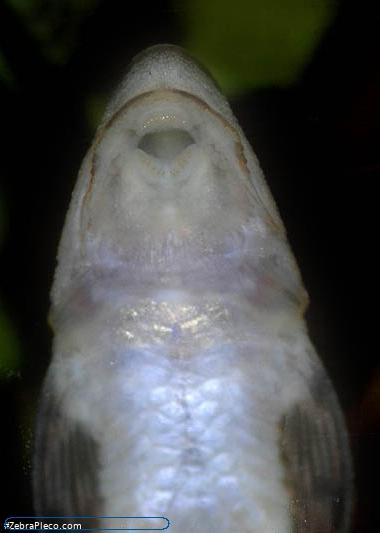
Community & Keeper Tally
Member interactions, breeding records and forum mentions
Aquarium Care & Husbandry
Dietary requirements, tank setup, compatibility and breeding
Feeding & Diet
An adaptable omnivore with a bias towards vegetable matter. Sinking algae and spirulina wafers, blanched courgette or cucumber and dried foods are all taken, and should be supplemented with frozen bloodworm or brineshrimp. Feeding in the evening suits this largely crepuscular fish. [View Member Food Stats]
Aquarium Furniture & Decor
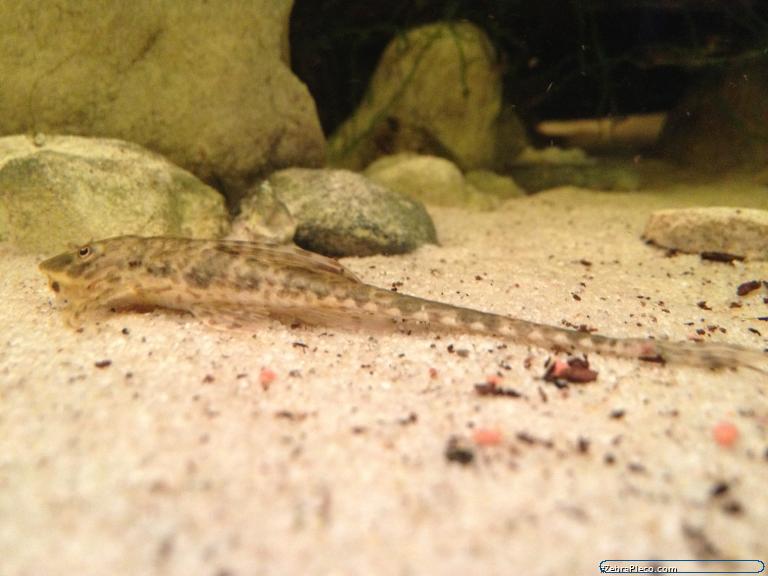
A sand substrate with rounded stones, branches, twigs and leaf litter, arranged to provide plenty of long, flat surfaces to rest upon. Lengths of narrow pipe or bamboo laid on the bottom are used as refuges and as spawning sites, although the fish will also use vertical surfaces including the aquarium glass.
Compatibility & Suggested Tankmates
Entirely peaceful and non-territorial, harmless even to small fry. Males may display to one another over spawning tubes but do no damage. Too retiring to compete with fast or aggressive tankmates.
Tankmates: Ideal for a peaceful community of small characins, dwarf cichlids, Otocinclus and Corydoras. Several may be kept together, and a group will spawn readily in a mature aquarium.
Breeding Notes
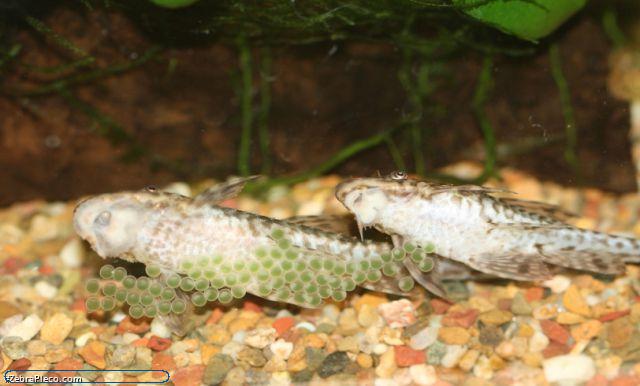
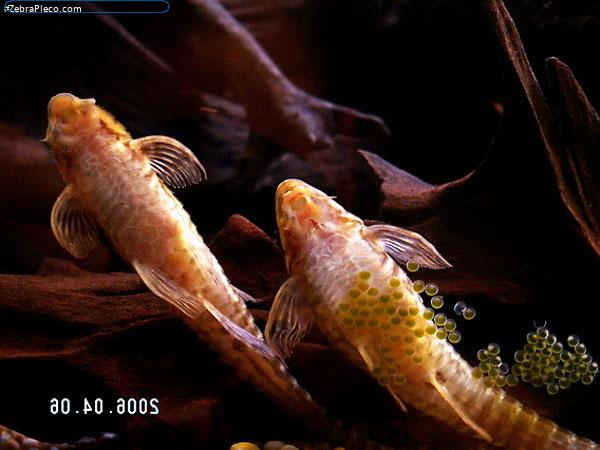
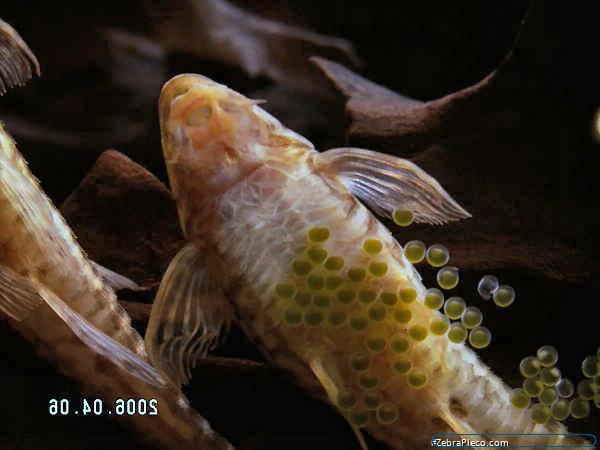
Relatively commonly bred, this species lays green eggs on vertical surfaces including aquarium glass.
Habitat & Water Parameters
Natural distribution, biotope water conditions and temperature ranges
Geographic Distribution
South America: Paraguay River basin.
La Plata, Paraná, Paraguay (click on these areas to find other species found there)
La Plata, Paraná, Paraguay, Upper Paraguay (click on these areas to find other species found there)
La Plata, Paraná, Paraguay, Upper Paraguay, Miranda Imported (click on these areas to find other species found there)
Login to view the map.
Species Description & Identification
Morphology, diagnostic traits and sexual dimorphism
Identification
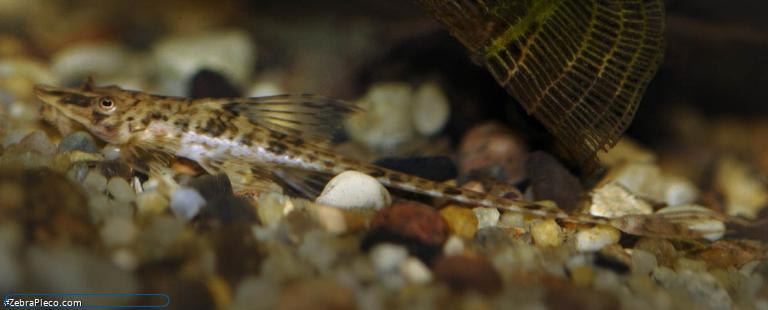
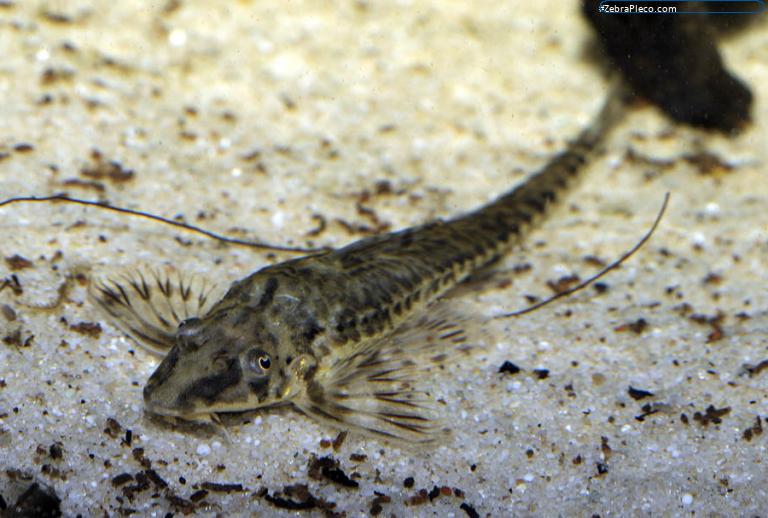
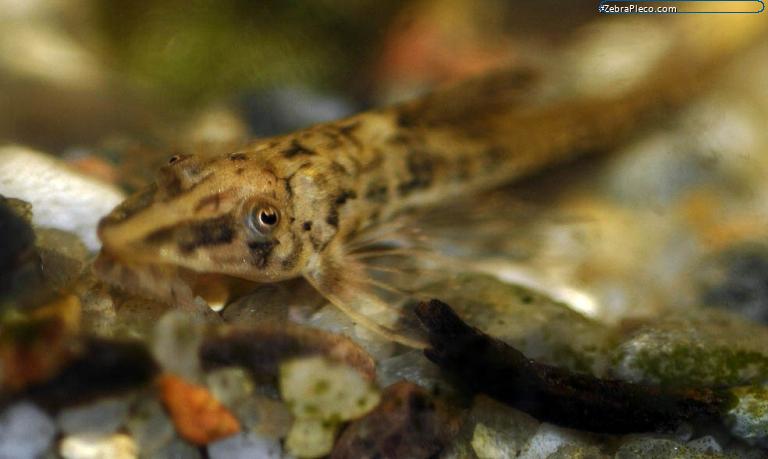
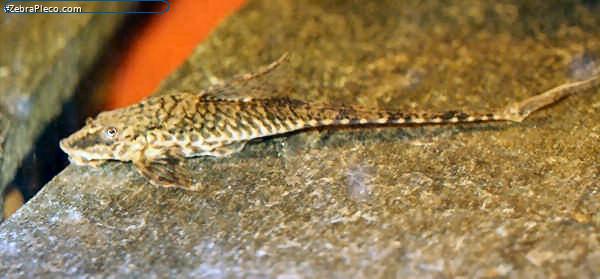
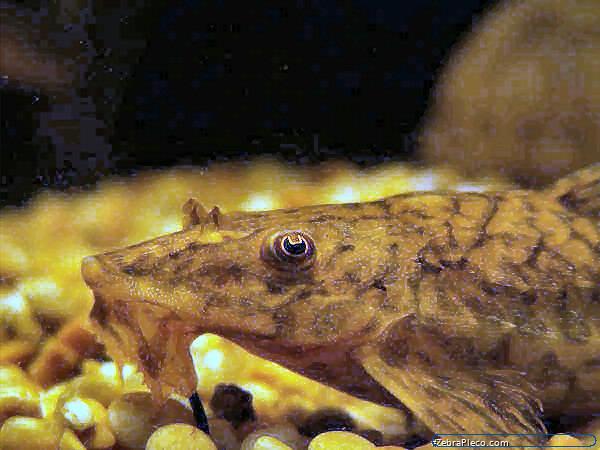
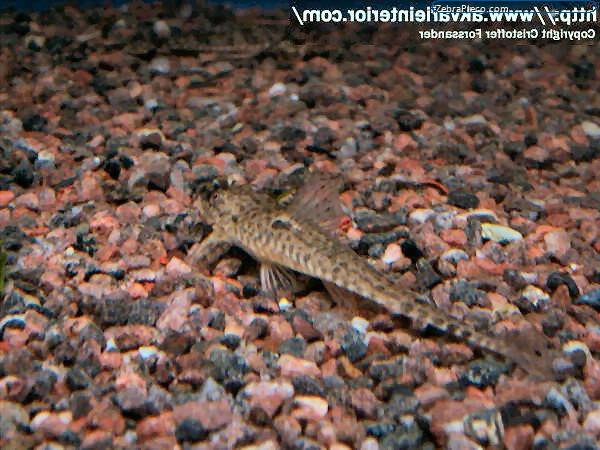
Relative to congeners, this species has proportionately larger fins. In particular it has a very large dorsal pectoral fin. Similarly the species has a larger eye diameter combined with a wide interorbital gap - characteristic for this species.
Referred to in some hobby literature by the nomen nudem Sturisomatichthys foerschi, it is also known as LG6. Comparison by German hobbyists to the BMNH lecotype demonstrates that what has been known in the hobby by these names is indeed H. parva.
Sexual Dimorphism (Sexing)
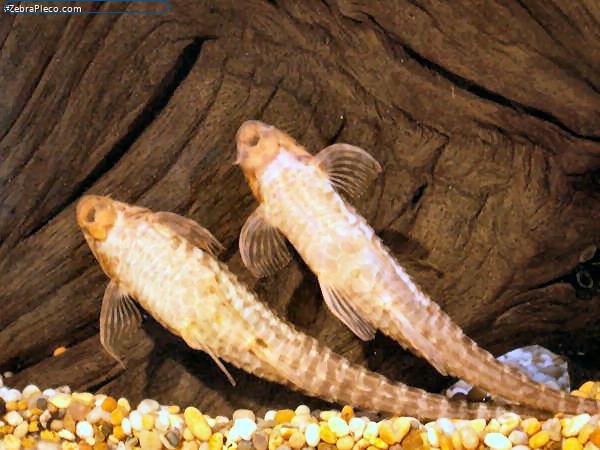
Mature males develop bristle-like odontodes along the sides of the head and on the leading rays of the pectoral fins, and are slimmer than the noticeably broader, plainer headed females.
Taxonomy, Synonyms & Etymology
Classification history, linguistic derivations and variant forms
Synonyms
Hemiloricaria parva, Loricaria parva, Rineloricaria parva
Pronunciation
rhine lor ee kar ee ah. - PAR vah.
Etymology
Greek, rhinos = nose + Latin, lorica, loricare = cuirass of corslet of leather. From the Latin parvus, meaning small, in reference to the modest adult size of this species relative to its congeners.
There are 6 other speciesHarttiella parva
Melanotaenia parva
Paracanthopoma parva
Pimelodella parva
Pseudorasbora parva
Pseudotatia parva with this specific name.
Literature & Resources
Scientific publications, external links and citation tools
Description Reference
Proceedings of the Zoological Society of London 1895 (pt 3), pp 527.
External Databases
Related Searches