PAGE_HEADER
Rineloricaria jurupari Londoño-Burbano & Urbano-Bonilla, 2018
Image Showcase
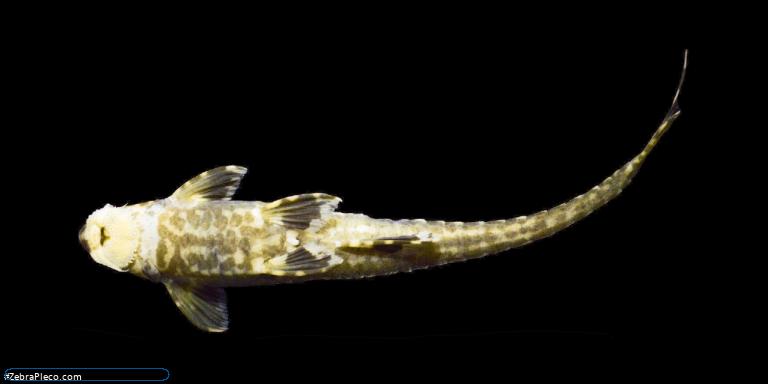
Photographs, diagnostic angles and morphological variants
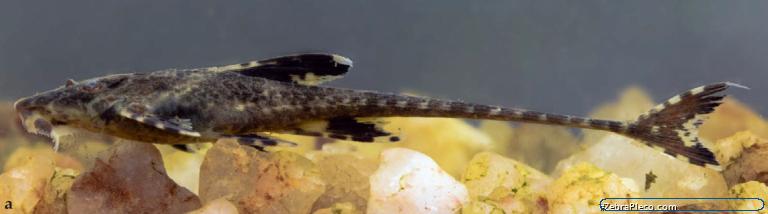
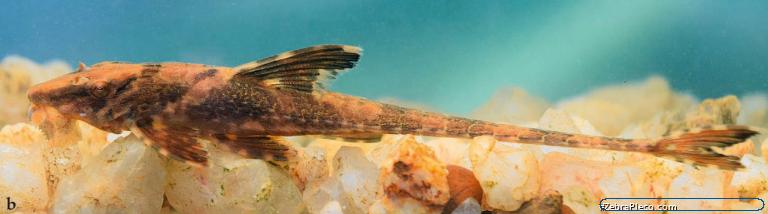
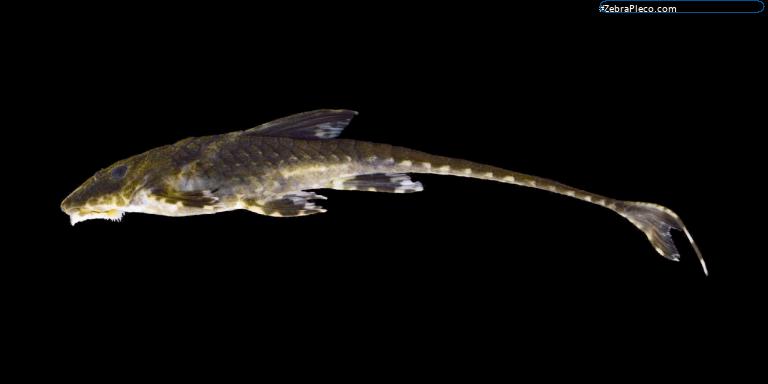
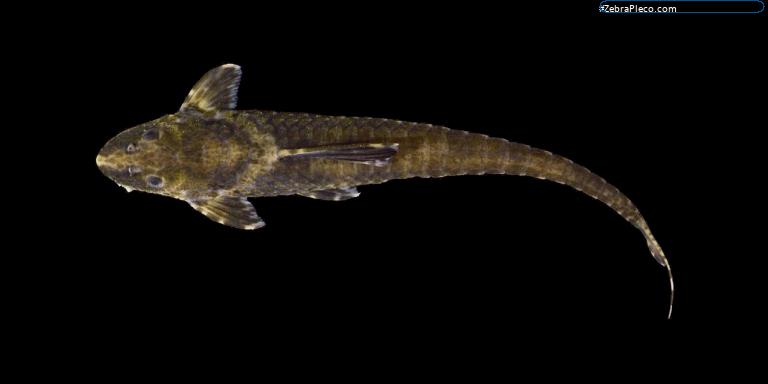
Community & Keeper Tally
Member interactions, breeding records and forum mentions
Aquarium Care & Husbandry
Dietary requirements, tank setup, compatibility and breeding
Feeding & Diet
An omnivorous and confident substrate feeder that will readily adapt to prepared foods that find their way to the bottom of the tank. [View Member Food Stats]
Habitat & Water Parameters
Natural distribution, biotope water conditions and temperature ranges
Geographic Distribution
Login to view the map.
Species Description & Identification
Morphology, diagnostic traits and sexual dimorphism
No detailed morphology or identification notes recorded yet.
Taxonomy, Synonyms & Etymology
Classification history, linguistic derivations and variant forms
Pronunciation
rhine lor ee kar ee ah.
Etymology
Greek, rhinos = nose + Latin, lorica, loricare = cuirass of corslet of leather. The specific name, jurupari, is given
after the legend of Jurupari (Yurupari, Iurupari,
etc.) It was originally composed in the Nheêngatú
language by the end of the 19th century by Maximiano
José Roberto, a descendant of Tarianos and
Manaos people. This legend has two traditional
interpretations: it is associated with a demon or
a mythical hero; both seem to be the same entity.
It is also considered as one of the oldest literary
legends of South America (mentioned in the writings
of the naturalists Alexander von Humboldt
[1804] and Alfred Russell Wallace [1853]; in
Osorio, 2006), it is also a historical heritage of the
people from the northern Amazon (Vaupés, Isana
and Negro rivers), mainly in the Vaupés region
of Colombia. A noun in apposition.
There is 1 other speciesSatanoperca jurupari with this specific name.
Literature & Resources
Scientific publications, external links and citation tools
Literature & References
External Databases
Related Searches