PAGE_HEADER
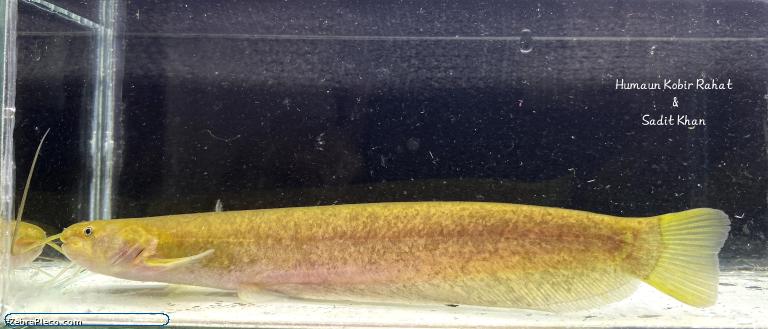
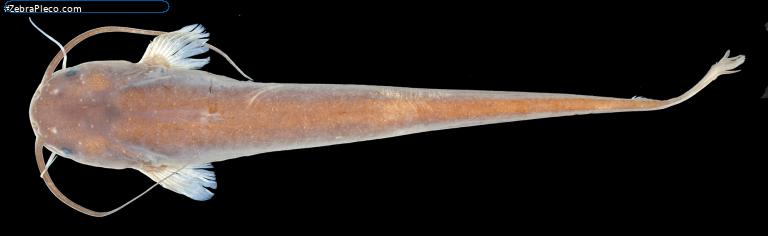
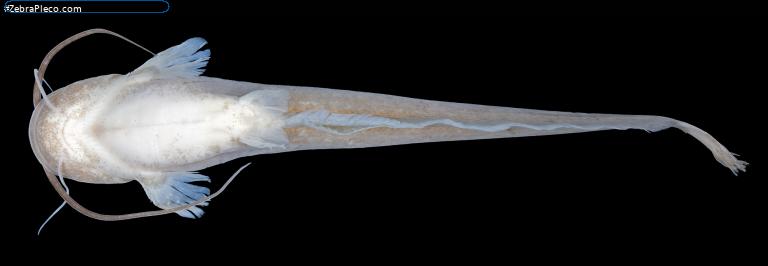
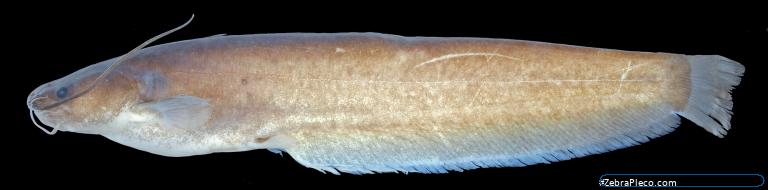
Pterocryptis subrisa Ng, Lalramliana & Lalronunga, 2018
Image Showcase
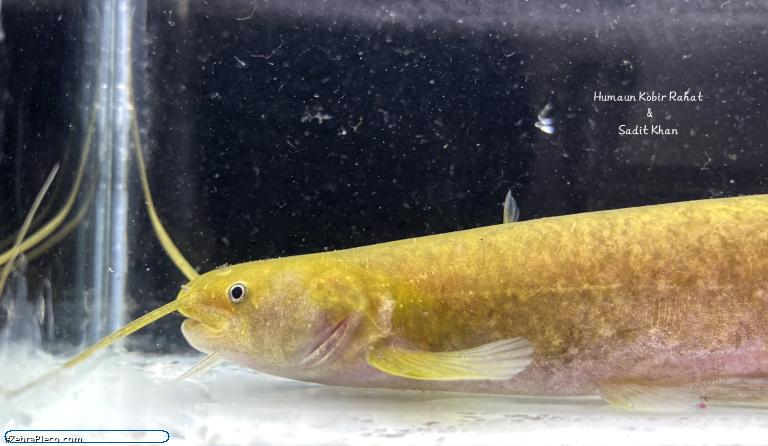
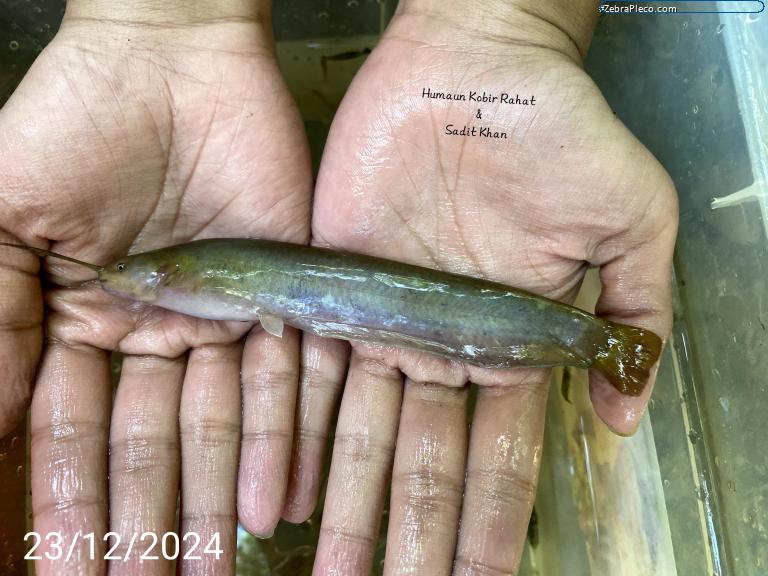
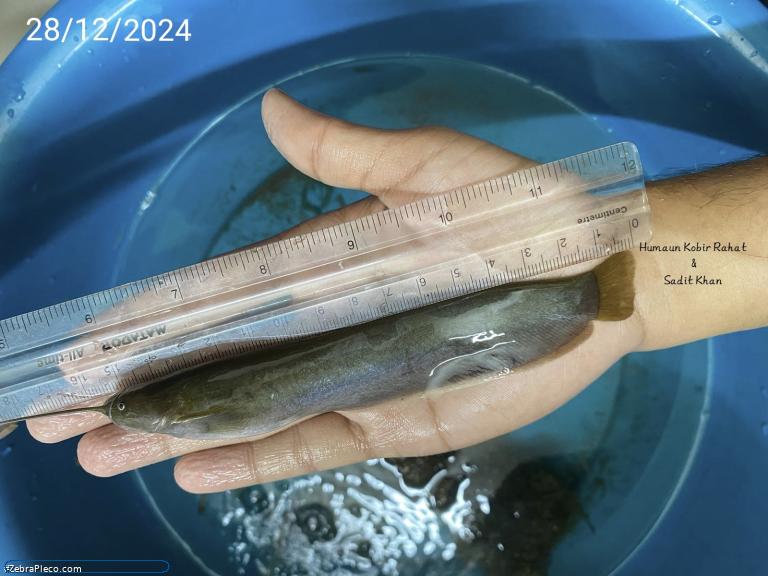
Photographs, diagnostic angles and morphological variants
Community & Keeper Tally
Member interactions, breeding records and forum mentions
Aquarium Care & Husbandry
Dietary requirements, tank setup, compatibility and breeding
Breeding Notes
No member of this genus has been bred in the aquarium.
Habitat & Water Parameters
Natural distribution, biotope water conditions and temperature ranges
Geographic Distribution
This species is known from the Kaladan River drainage in southern Mizoram.
Indian waters, North Eastern India Waters, Kaladan (click on these areas to find other species found there)
Login to view the map.
Species Description & Identification
Morphology, diagnostic traits and sexual dimorphism
Identification
Catfishes of the genus Pterocryptis Peters, 1861, are medium-sized members of the Siluridae usually found in fast-flowing mountain streams throughout India, southern China and Southeast Asia. Pterocryptis had been considered a junior synonym of Silurus Linnaeus, 1758, until its rediagnosis by Bornbusch (1991). There are 16 nominal species of Pterocryptis (Ng & Freyhof, 2001). They can be distinguished from other siluroids by having a small dorsal fin, upper jaw longer than the lower jaw and a confluent anal and caudal fin with a distinct notch between them.
Taxonomy, Synonyms & Etymology
Classification history, linguistic derivations and variant forms
Pronunciation
Terr oh krip tiss - sub ree saa.
Etymology
The generic name comes from the Greek pteron, meaning fin, and kryptos, meaning hidden; in reference to the small dorsal fin. The specific epithet is the perfect passive participle of the Latin verb subrideo, meaning to smile. The name is used in allusion to the longer supralabial fold in this species, which vaguely resembles a smiling countenance.
Literature & Resources
Scientific publications, external links and citation tools
Description Reference
Zootaxa 4500 (no. 1), pp 127, Figs. 1, 2a.
External Databases
Related Searches