PAGE_HEADER
Osteogaster venezuelanus Ihering, 1911
Image Showcase
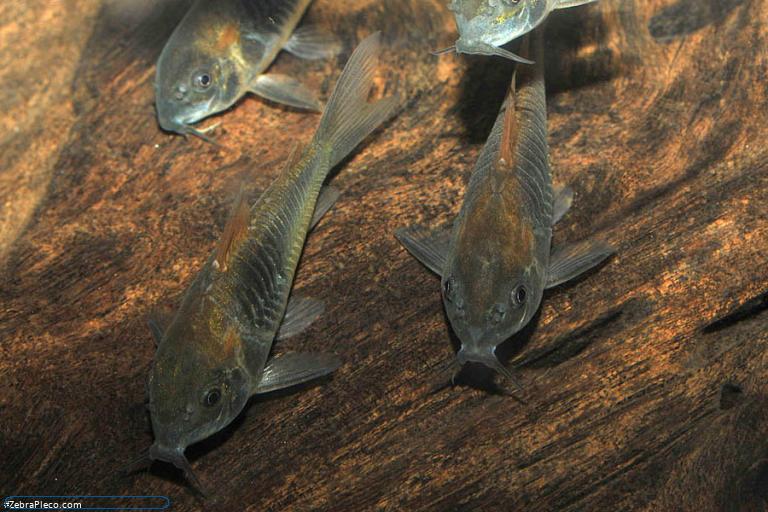
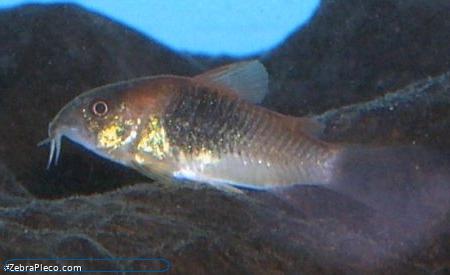
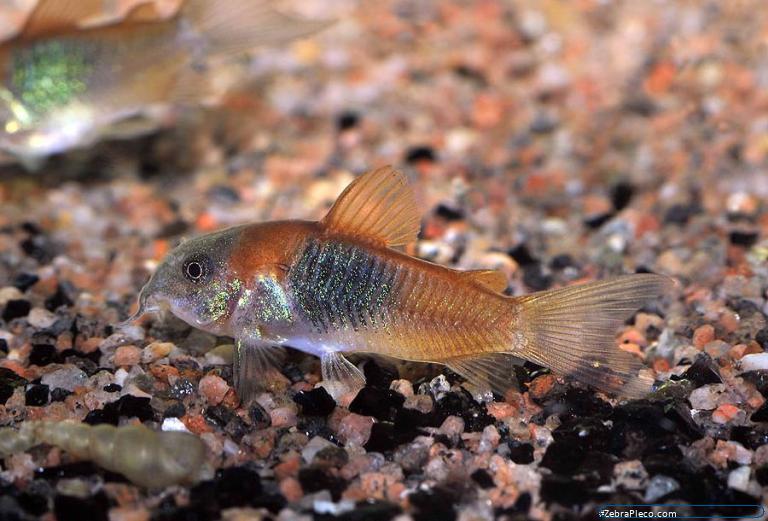
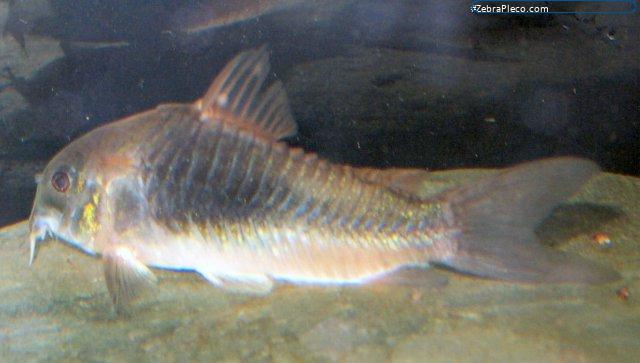
Photographs, diagnostic angles and morphological variants
Community & Keeper Tally
Member interactions, breeding records and forum mentions
Aquarium Care & Husbandry
Dietary requirements, tank setup, compatibility and breeding
Feeding & Diet
Will readily accepted all prepared foods that reach the bottom of the aquarium such as tablets, granules and larger flakes. Live (or frozen) foods such as bloodworm, white worm, grindal worm (Enchytraeus), Daphnia and Tubifex are readily accepted and good for conditioning groups of fishes for spawning. [View Member Food Stats]
Aquarium Furniture & Decor
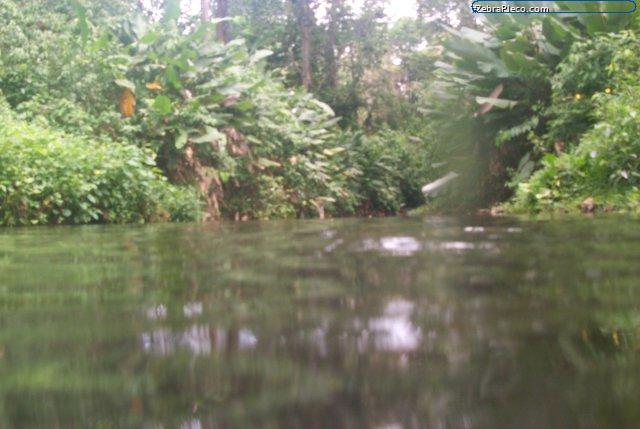
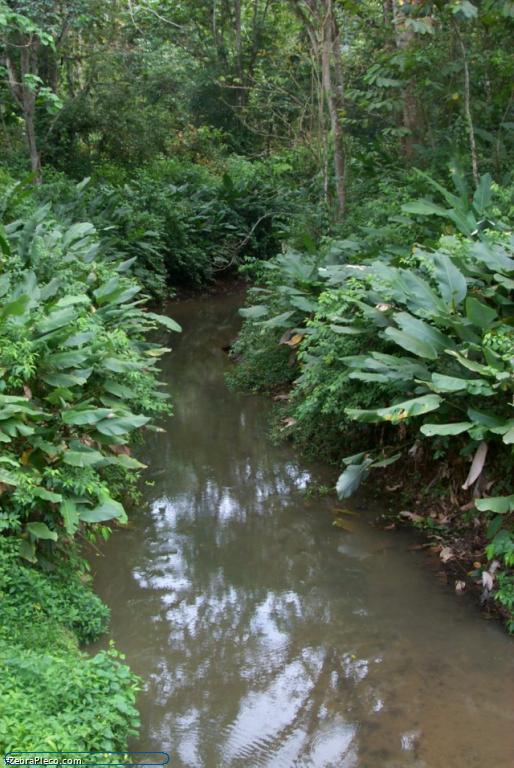
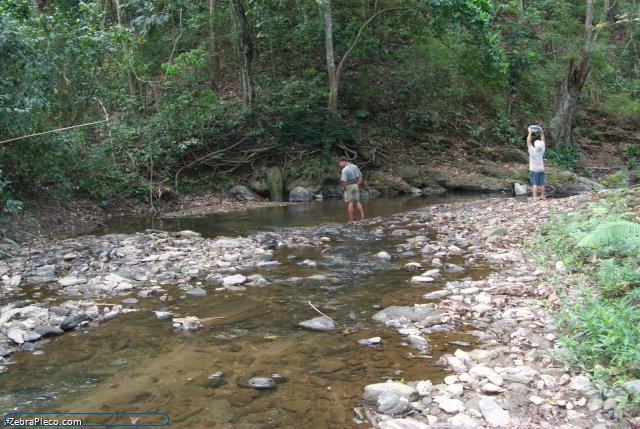
Natural habitat is cool, clear water that rarely rises above the low to mid 70s. Currents run fast in most of these streams and the substrate is typical of high gradient streams (rounded stones and gravel). To replicate the natural habitat, place a few fist sized stones in the tank and then add a half inch deep substrate composed of one part pea gravel and three parts fine sand. The tank should be set up with a filtration device the provides a moderate current. Driftwood and a few aquatic plants would complete the set up.
Compatibility & Suggested Tankmates
A peaceful, shoaling, community fish.
Breeding Notes
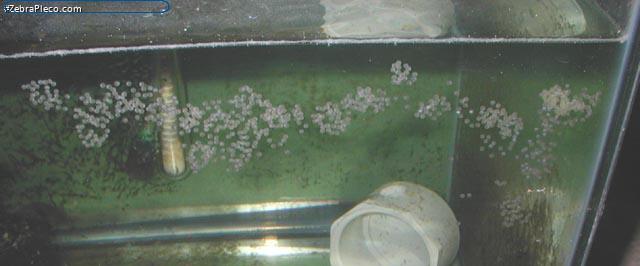
Typical of the genus. Ian Fuller reported that his fish spawned the day after a water change when the tank had the following water parameters; ph 7, GH 9dH, KH 2, and temp 76. These parameters are very similar to those found in their natural habitat.
Habitat & Water Parameters
Natural distribution, biotope water conditions and temperature ranges
Geographic Distribution
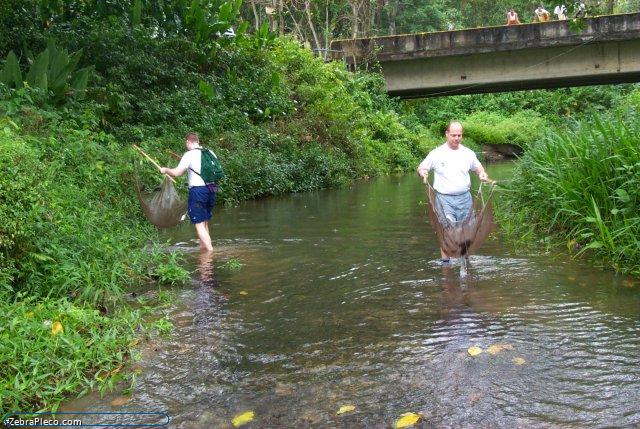
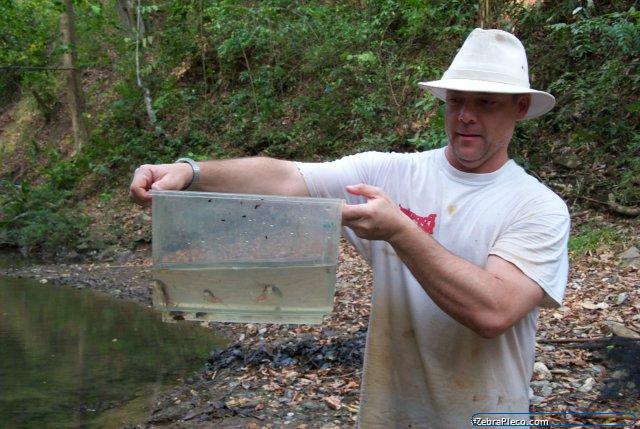
This species is common throughout the lower reaches of streams and rivers in both the Rio Tuy and Lake Valencia drainages of northern Venezuela in the states of Miranda, Aragua, and Carabobo. It can also be found in nearby Orinoco drainage rivers and streams such as the Rio Chirgua. It is a piedmont species that prefers cooler waters and is never found in the llanos (plains).
Tuy (click on these areas to find other species found there)
Valencia (click on these areas to find other species found there)
Login to view the map.
Species Description & Identification
Morphology, diagnostic traits and sexual dimorphism
Identification
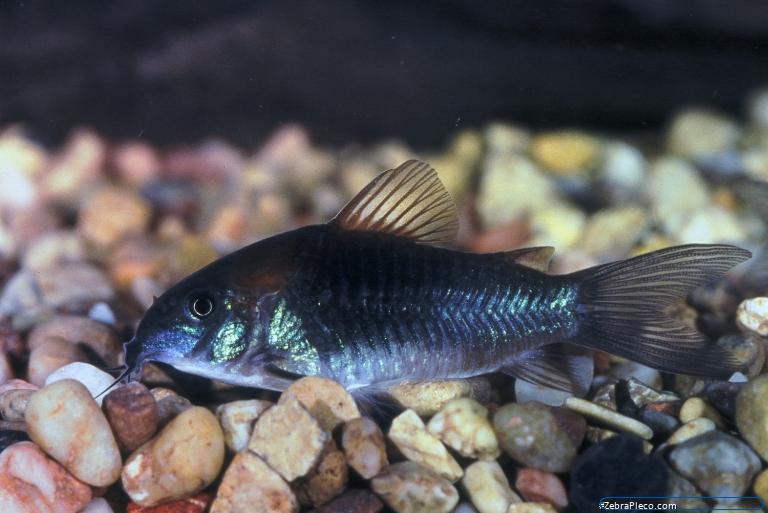
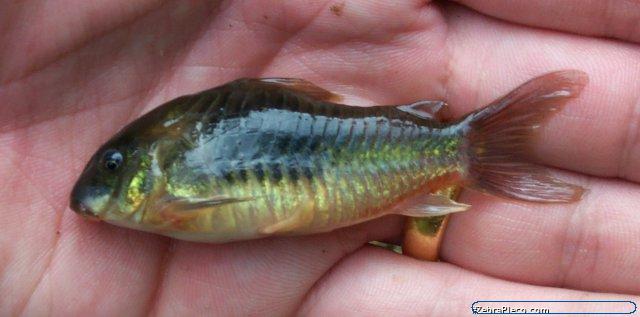
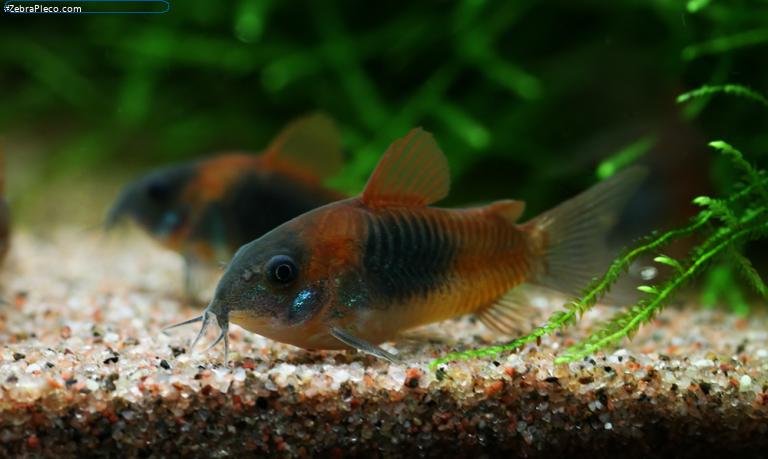
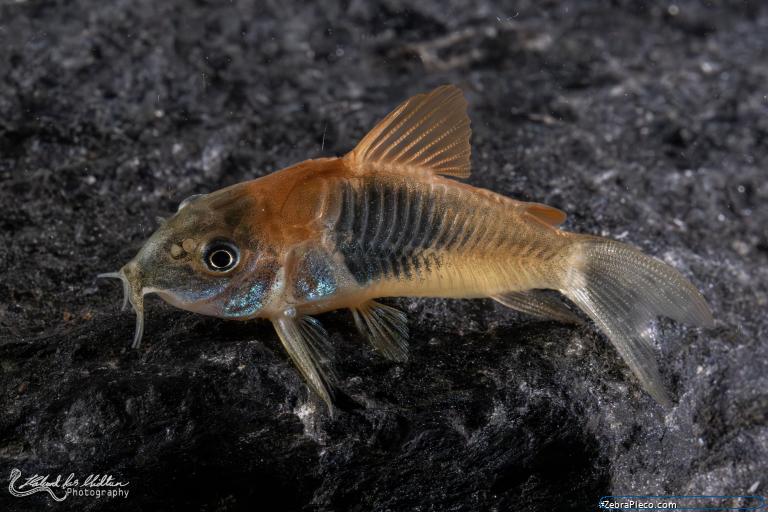
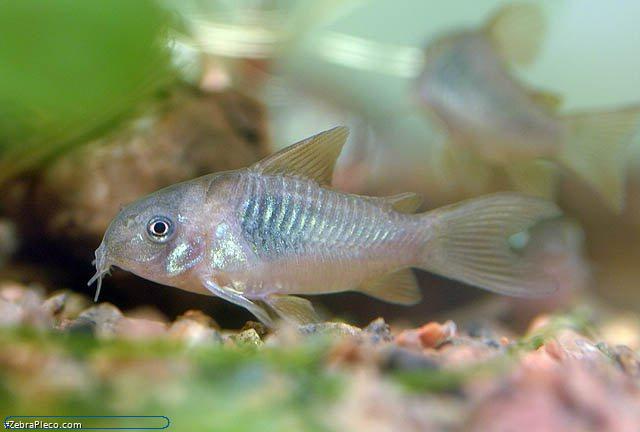
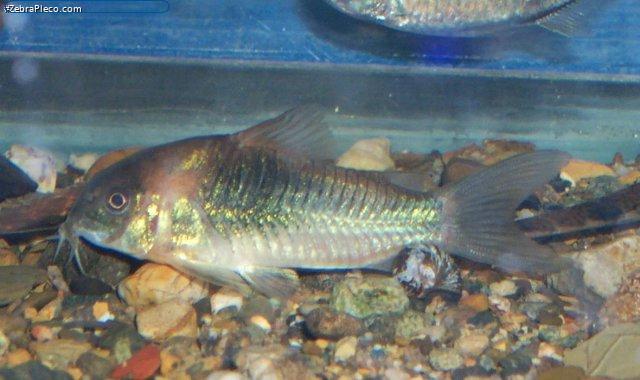
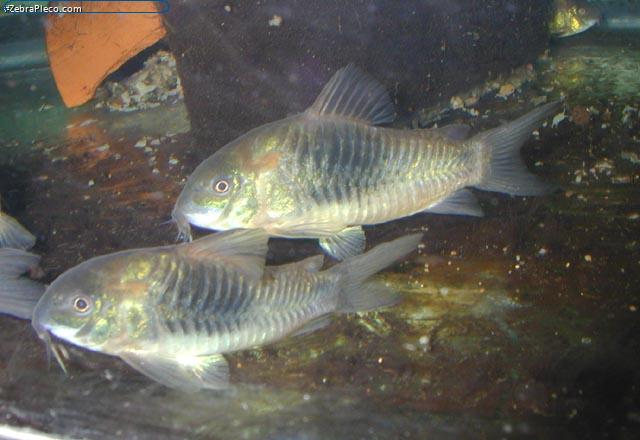
This species can be confused with Corydoras aeneus, and indeed C. venezuelanus is usually considered a junior synonym of that species. However, there is the opinion that C. aeneus should be restricted to the holotype form which is from the island of Trinidad. Furthermore, C. venezuelanus is a large Cory, and is restricted to a limited range in two closed drainage systems (Rio Tuy and Lake Valencia) situated north of the serrania del interior. It is the only Cory in these waters.
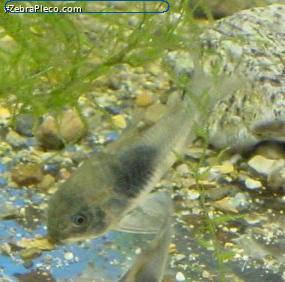
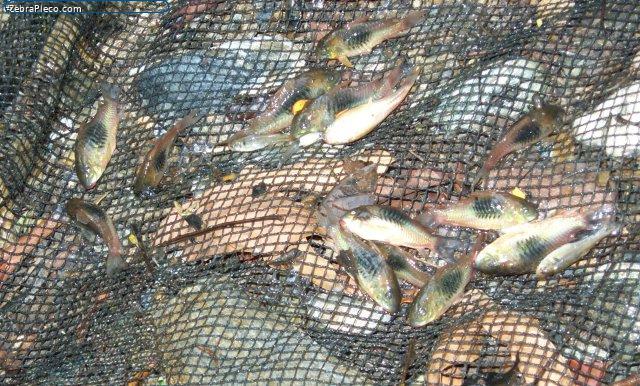
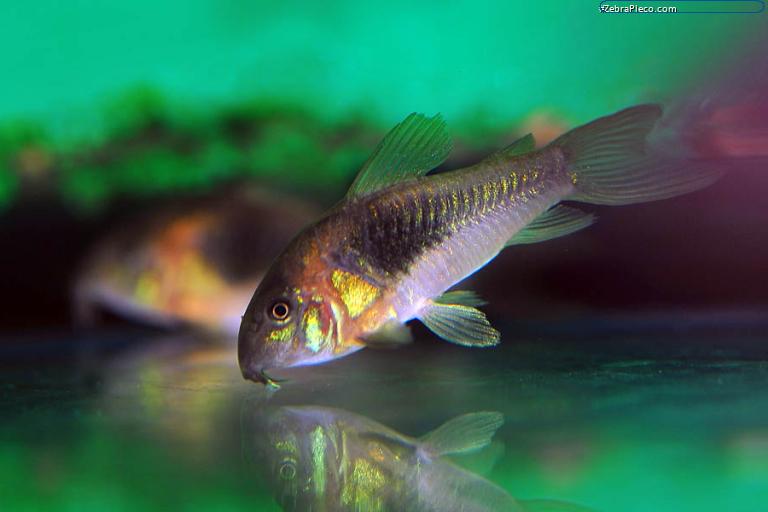
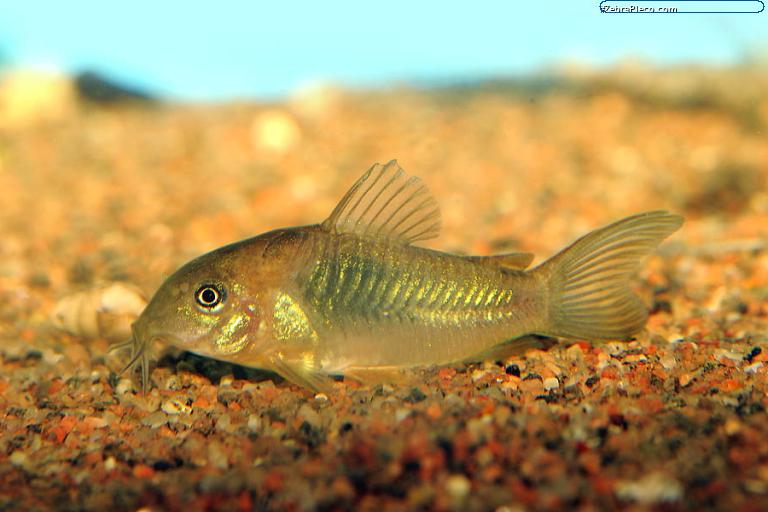
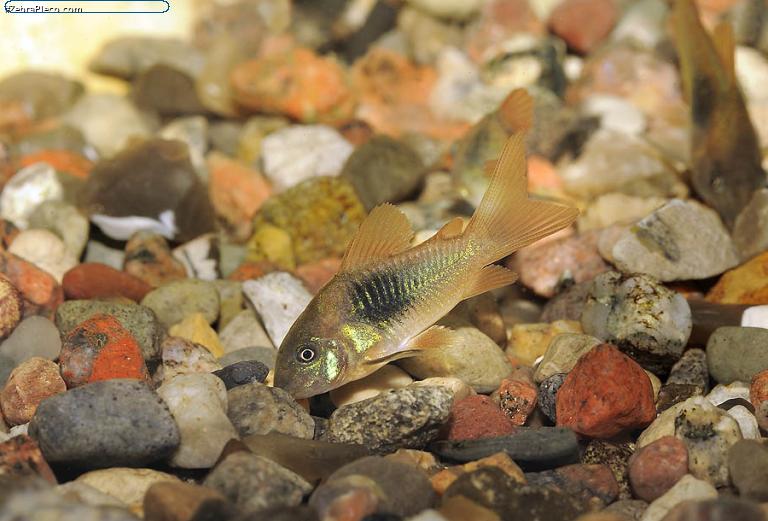
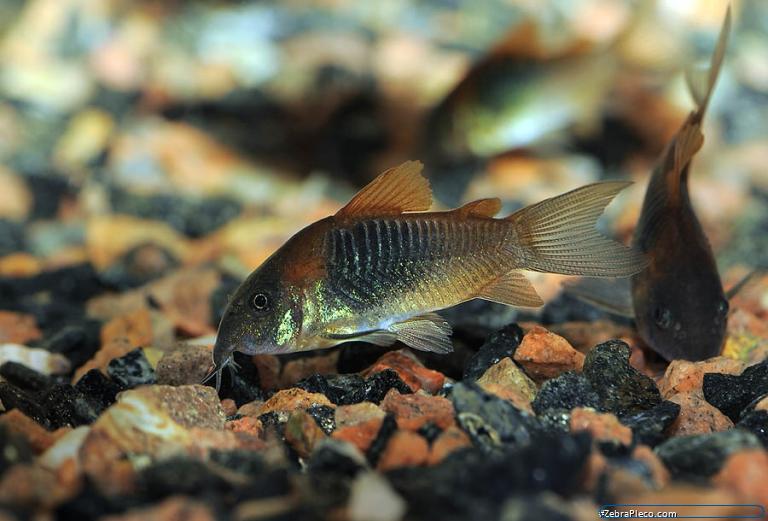
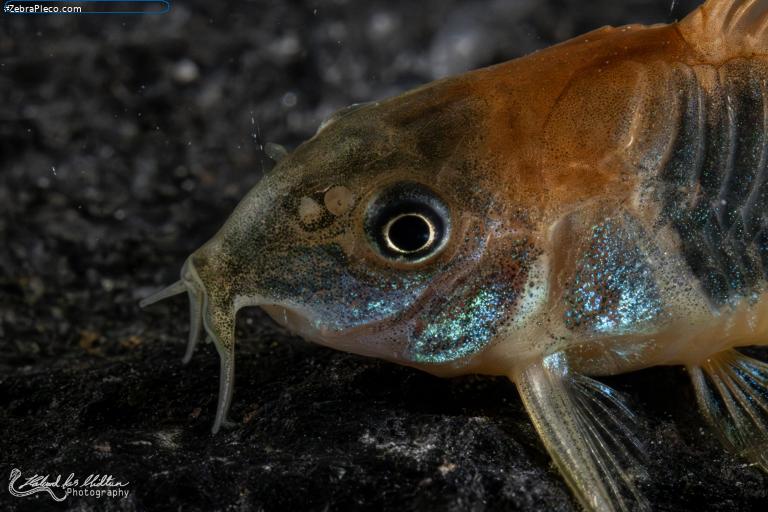
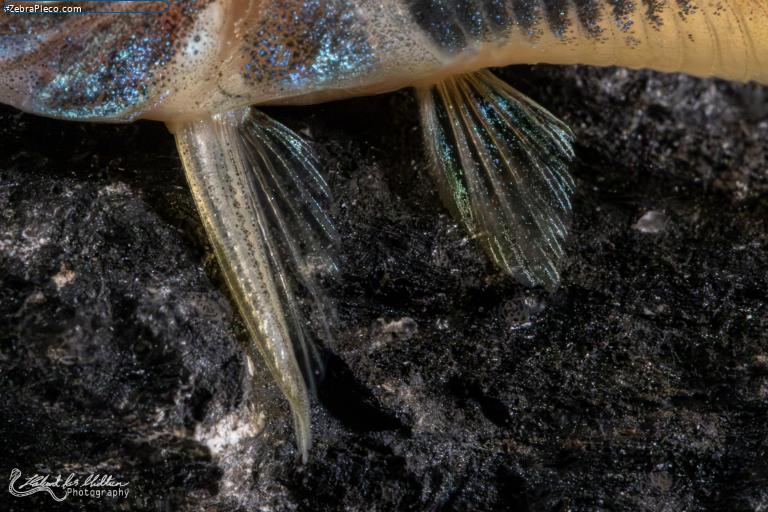
Conversely, commercially bred specimens can be shorted bodied than their wild counterparts and balloon form variants are available. C. venezuelanus has a large oval green/black spot covering the shoulder and a distinct iridescent reddish-brown spot on the nape.
This species is almost never exported from Venezuela as it is found in coastal drainages that are not collected by exporters. Because of its scientific name, it is often muddled with the confusing trade name for the captive bred black form of Corydoras schultzei.
Sexual Dimorphism (Sexing)
Females are larger, up to 50mm, and more robust than males as with most Corydoras sp.
Taxonomy, Synonyms & Etymology
Classification history, linguistic derivations and variant forms
Pronunciation
os tee oh gas terr - venn ez wayl ann us
Etymology
venezuelanus, from Venezuela where the fish is found.
Literature & Resources
Scientific publications, external links and citation tools
Description Reference
Rev. Mus. Saão Paulov. 8 (1910) - pp383
External Databases
Related Searches