PAGE_HEADER
Hypophthalmus edentatus Spix & Agassiz, 1829
Image Showcase
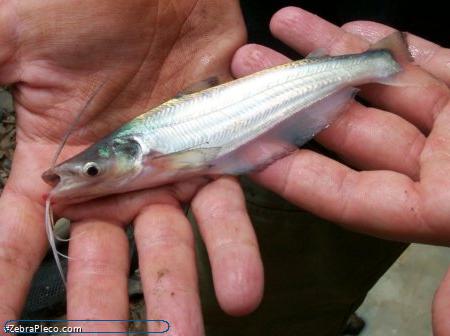
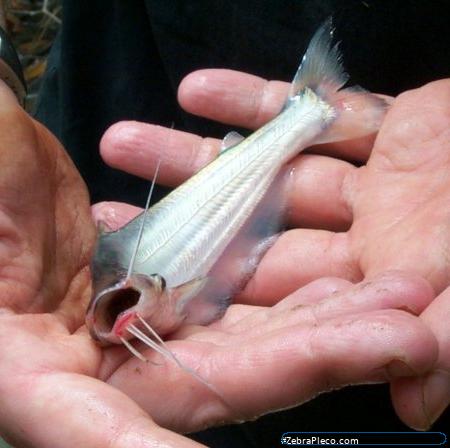
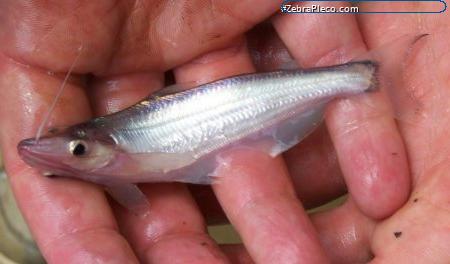
Photographs, diagnostic angles and morphological variants
Community & Keeper Tally
Member interactions, breeding records and forum mentions
Aquarium Care & Husbandry
Dietary requirements, tank setup, compatibility and breeding
Feeding & Diet
Feeds on plankton and debris. Gill rakers are used to capture planktonic crustaceans. [View Member Food Stats]
Aquarium Furniture & Decor
Found over soft muddy bottom.
Compatibility & Suggested Tankmates
Schooling species.
Breeding Notes
No member of this genus has been bred in the aquarium.
Habitat & Water Parameters
Natural distribution, biotope water conditions and temperature ranges
Geographic Distribution
South America: Amazon and Orinoco River basins and Atlantic coastal rivers of Guyana and Suriname. Reported from Trinidad Tobago.
Amazon (click on these areas to find other species found there)
Guyana Waters (click on these areas to find other species found there)
Orinoco (click on these areas to find other species found there)
Guyana Waters, Coastal Rivers of Guyanas, Suriname Coastal Rivers (click on these areas to find other species found there)
Amazon, Middle Amazon (Solimoes), Madeira Imported (click on these areas to find other species found there)
Login to view the map.
Species Description & Identification
Morphology, diagnostic traits and sexual dimorphism
Identification
This common species has pale barbels and a truncate dorsal fin (versus deeply forked in other congeners).
Sexual Dimorphism (Sexing)
Unknown
General Remarks
Almost never exported because of it's (plankton) feeding habits, this fish is quite common in open water and lakes.
Taxonomy, Synonyms & Etymology
Classification history, linguistic derivations and variant forms
Synonyms
Hypophthalmus spixii
Pronunciation
hi pop thal muss - ee dent at uss
Etymology
(Greek)Hypo=Under + (Greek)opthalmos=eye. Species name refers to the lack of teeth.
There is 1 other speciesLoricariichthys edentatus with this specific name.
Literature & Resources
Scientific publications, external links and citation tools
Description Reference
Selecta genera et species piscium quos in itinere per Brasiliam, pp 16, Pl. 9.
External Databases
Related Searches