PAGE_HEADER
Pseudomystus siamensis (Regan, 1913)
Image Showcase
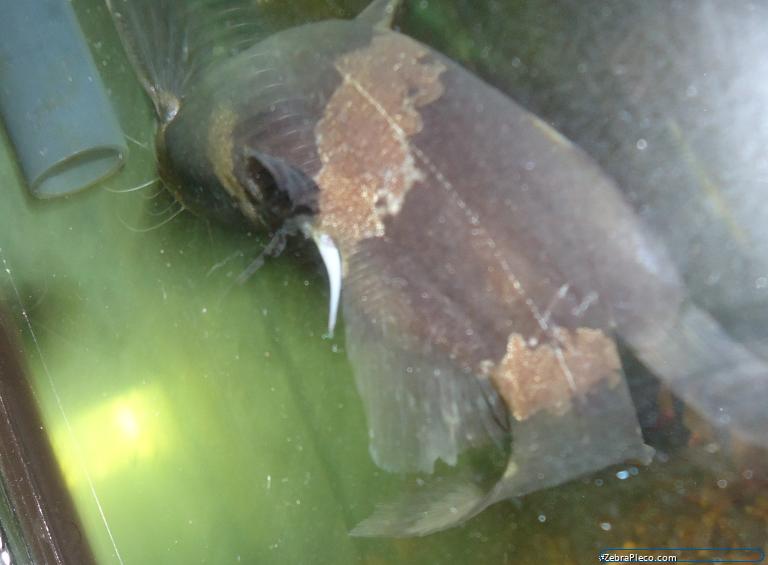
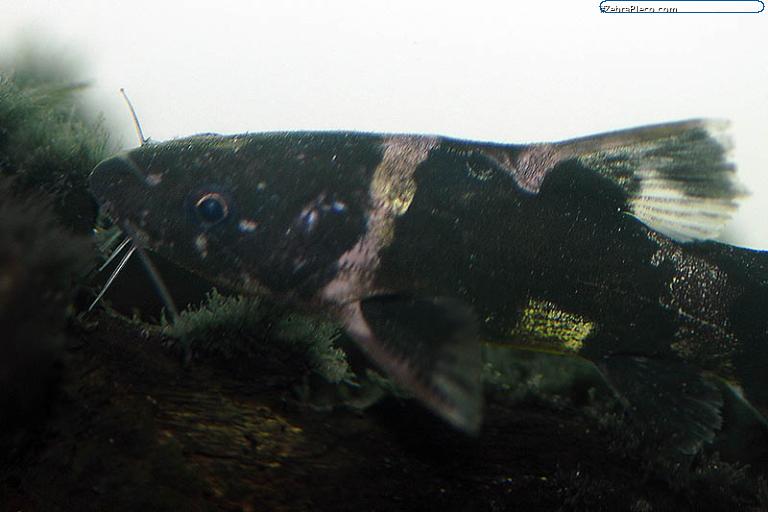
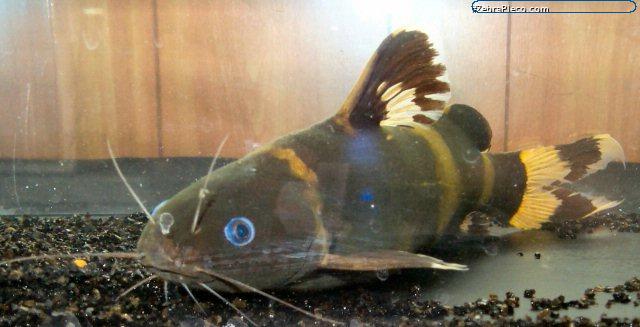
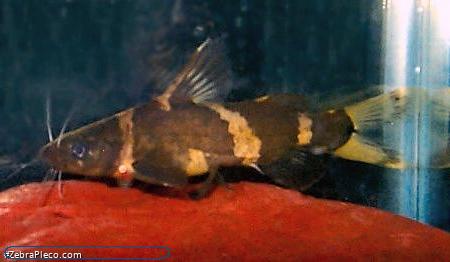
Photographs, diagnostic angles and morphological variants
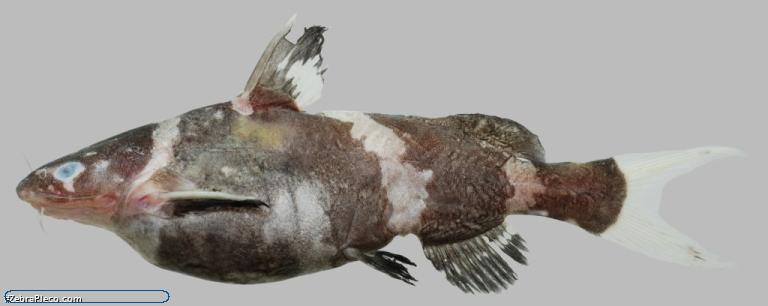
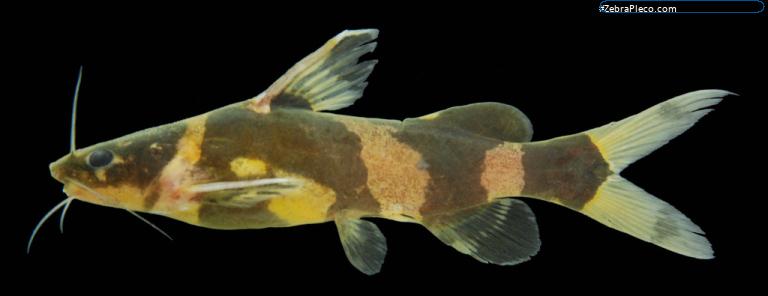
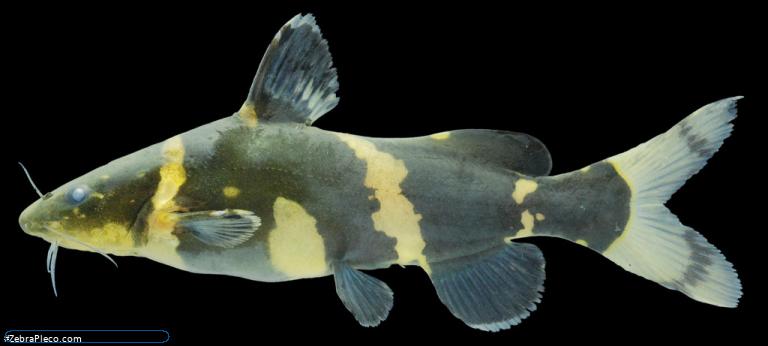
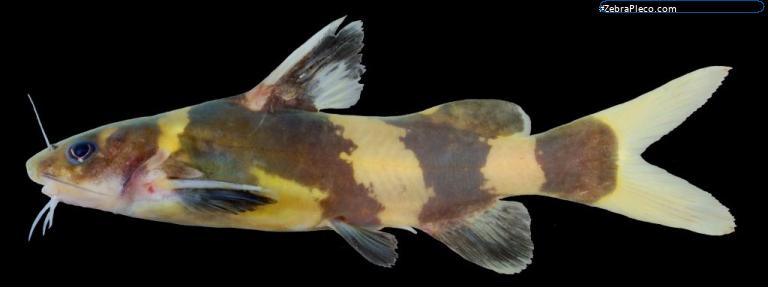
Community & Keeper Tally
Member interactions, breeding records and forum mentions
Aquarium Care & Husbandry
Dietary requirements, tank setup, compatibility and breeding
Feeding & Diet
A carnivore; this species eats insects and small aquatic crustaceans in the wild but will adapt to most prepared foods easily. Feeding will initially be at night but this nocturnal species can be ''trained'' to eat during the day. [View Member Food Stats]
Aquarium Furniture & Decor
An totally dark cave is required, sized to suit the fish. Long black PVC pipes are ideal, the fish also prefers wood to stone.
Compatibility & Suggested Tankmates
Territorially aggressive to its own kind or similar catfishes although more spacious tanks with plenty of hiding places can house a group of these fish. Tell tale croaking noises through the night belie nocturnal disputes and should prompt the separation of waring faction before too much damage is done. Larger individuals will eat small fish (usually at night).
Tankmates: Ideal fish for the active, large Cyprinid tank. Due to its nocturnal feeding habits it suits most American cichlid tanks too, but fry will be eaten.
Breeding Notes
Only a single documented captive spawning report exists - see Shane's World article. Reports indicate the fishes spawn during the rainy season in the wild, the young being found in fishermens nets around August.
Habitat & Water Parameters
Natural distribution, biotope water conditions and temperature ranges
Geographic Distribution
Asia: Chao Phraya and Mekong basins. Reported from Mekong, Peninsular and Southeast Thailand river systems.
Thailand Waters, Chao Praya (click on these areas to find other species found there)
Mekong (click on these areas to find other species found there)
Thailand Waters, Peninsular Thailand Waters (click on these areas to find other species found there)
Login to view the map.
Species Description & Identification
Morphology, diagnostic traits and sexual dimorphism
Identification
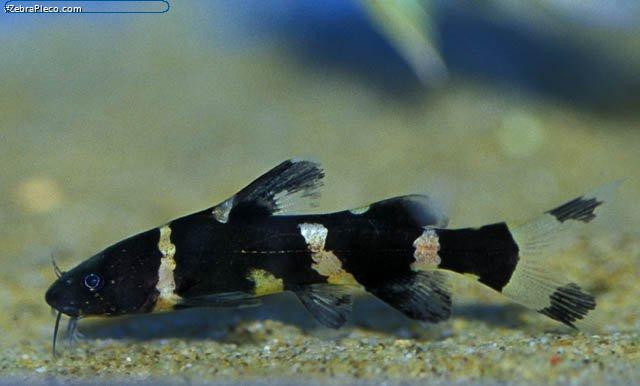
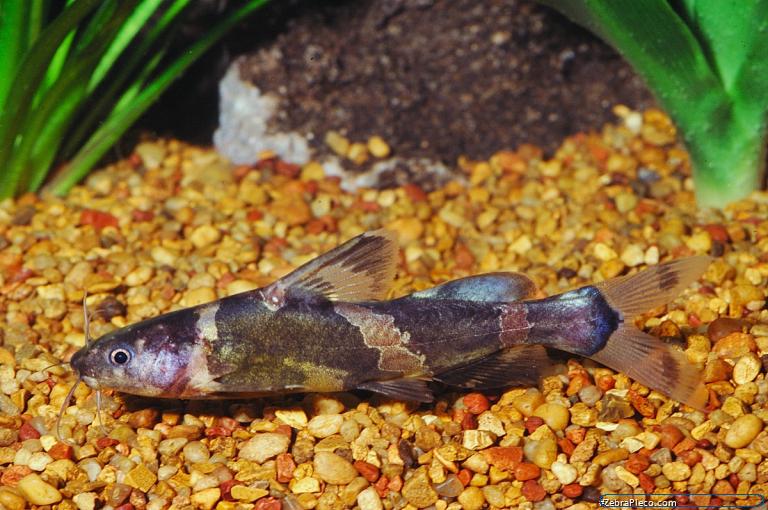
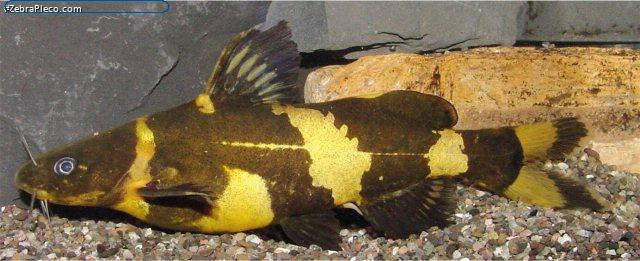
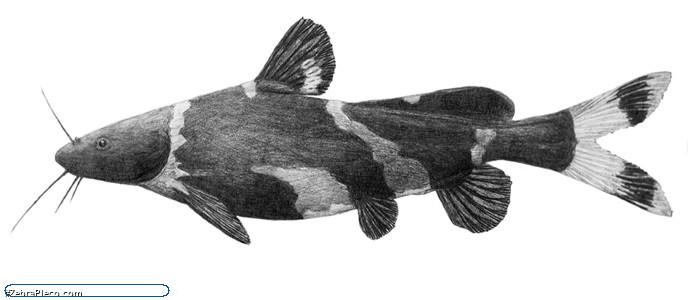
Members of the bagrid genus Pseudomystus are small- to mid-sized freshwater catfish endemic to Southeast Asia.Pseudomystus are commonly found in swamps and rivers throughout Southeast Asia. They can be differentiated from Leiocassis by a relatively short snout and a subterminal mouth. Many Pseudomystus have a color pattern of contrasting vertical bars or blotches.
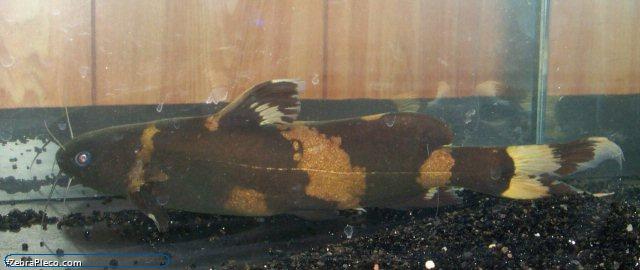
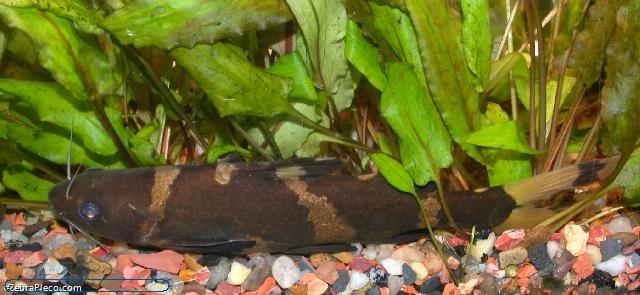
Quite distinctive within its family, this species can be confused with the various South American bumblebee catfish from the family Pimelodidae. All Bagrids, the Asian bumblebee included, have a matched pair of nasal barbels which originate slightly forward of the eyes and tend to run almost vertically upwards. The caudal fin is clear to yellowish with variable blotches in the twin lobes.
Sexual Dimorphism (Sexing)
Females are more deeper bodied in comparison to the more slender males.
General Remarks
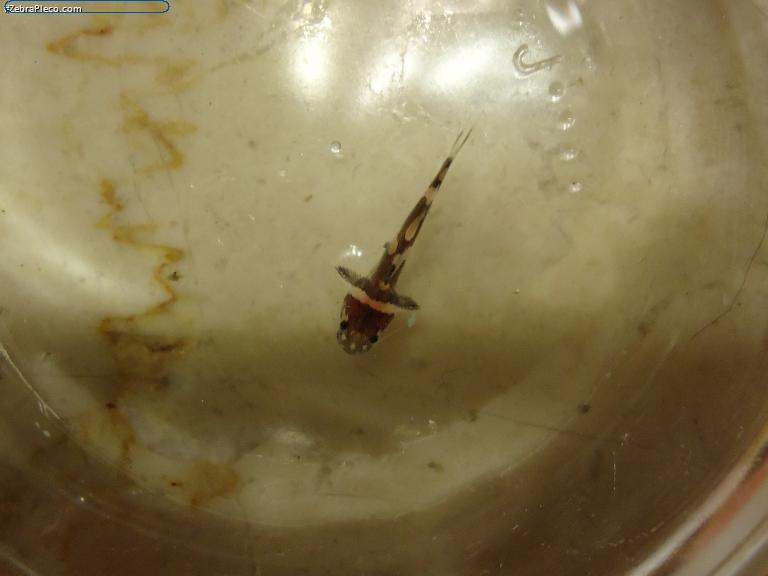
Intensity of colouration varies with size, age and possibly gender.
Taxonomy, Synonyms & Etymology
Classification history, linguistic derivations and variant forms
Synonyms
Leiocassis albicollaris, Leiocassis bicolor, Leiocassis siamensis, Liocassis brashnikowi siamensis, Liocassis siamensis
Pronunciation
SUE doh MIST uss - sigh ah MEN siss
Etymology
From the Greek pseudos, meaning lie, and mystus, a genus of bagrid catfishes. In reference to the overall similarity of the two genera. Named after its then country of origin Siam (know today as Thailand).
There are 12 other speciesCatlocarpio siamensis
Chanda siamensis
Dermogenys siamensis
Eugnathogobius siamensis
Glyptothorax siamensis
Henicorhynchus siamensis
Labiobarbus siamensis
Laubuka siamensis
Macrognathus siamensis
Oreoglanis siamensis
Parachela siamensis
Platytropius siamensis with this specific name.
Literature & Resources
Scientific publications, external links and citation tools
Literature & References
External Databases
Related Searches