
PAGE_HEADER
Cetopsis candiru Spix & Agassiz, 1829
Image Showcase
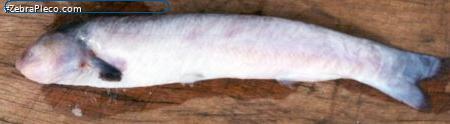
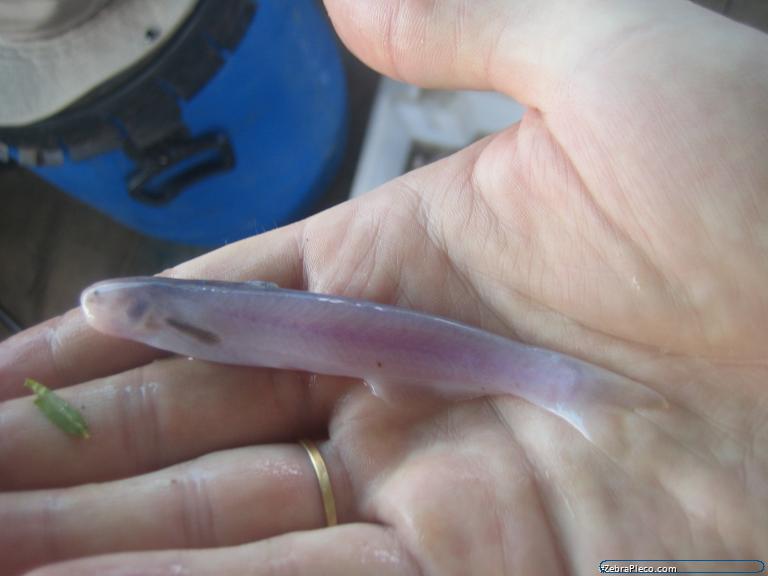
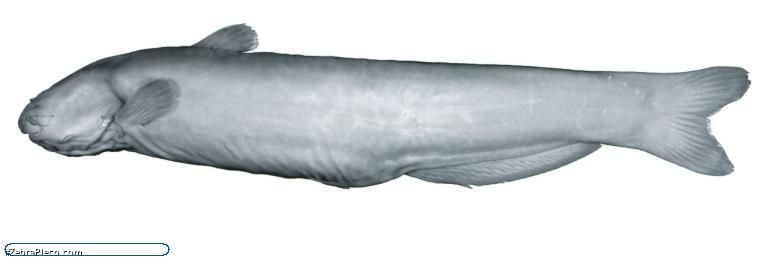
Photographs, diagnostic angles and morphological variants

Community & Keeper Tally
Member interactions, breeding records and forum mentions
Aquarium Care & Husbandry
Dietary requirements, tank setup, compatibility and breeding
Breeding Notes
No member of this genus has been bred in the aquarium.
Habitat & Water Parameters
Natural distribution, biotope water conditions and temperature ranges
Geographic Distribution
South America: Amazon River basin.
Amazon (click on these areas to find other species found there)
Amazon, Middle Amazon (Solimoes), Madeira Imported (click on these areas to find other species found there)
Amazon, Upper Amazon, Napo Imported (click on these areas to find other species found there)
Amazon, Middle Amazon (Solimoes), Purus Imported (click on these areas to find other species found there)
Login to view the map.
Species Description & Identification
Morphology, diagnostic traits and sexual dimorphism
Identification
The most commonly imported of the genus, although still a rare import.
Sexual Dimorphism (Sexing)
The leading rays of the dorsal and pectoral fins of males are graced with filamentous extensions, these are absent in young fish and females.
Taxonomy, Synonyms & Etymology
Classification history, linguistic derivations and variant forms
Synonyms
Cetopsis spixii, Hemicetopsis candiru
Pronunciation
see TOP siss
Etymology
Cetopsis: From the Greek cetos, meaning whale, and -opsis, meaning likeness; in reference to the whale-like appearance.
Literature & Resources
Scientific publications, external links and citation tools
Description Reference
Selecta genera et species piscium quos in itinere per Brasiliam, pp 13, Pl. 10 (fig. 1).
External Databases
Related Searches

