
PAGE_HEADER
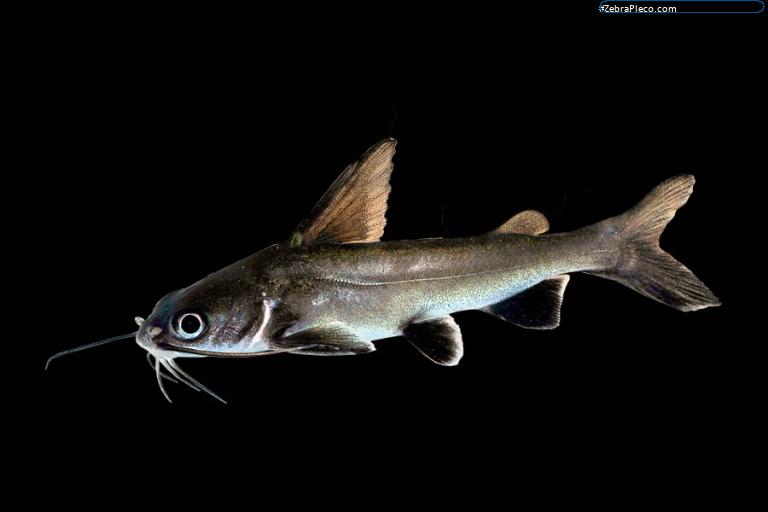
Ariopsis seemanni (Günther, 1864)
Image Showcase
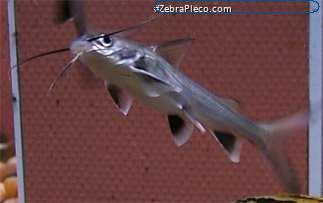
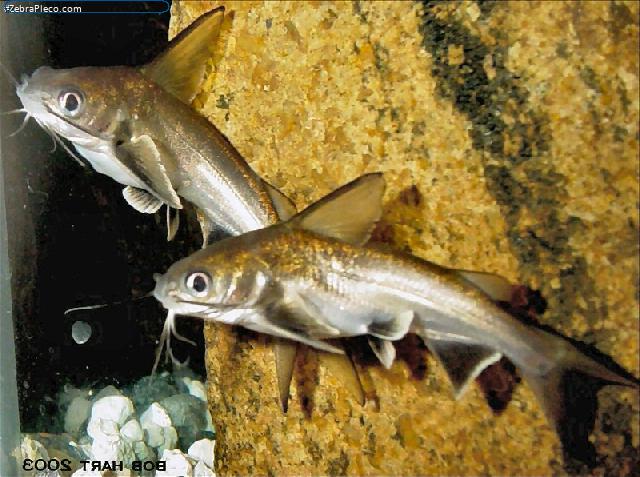
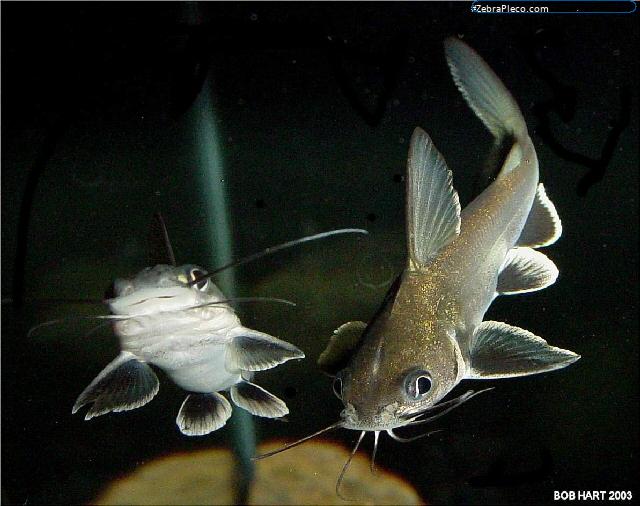
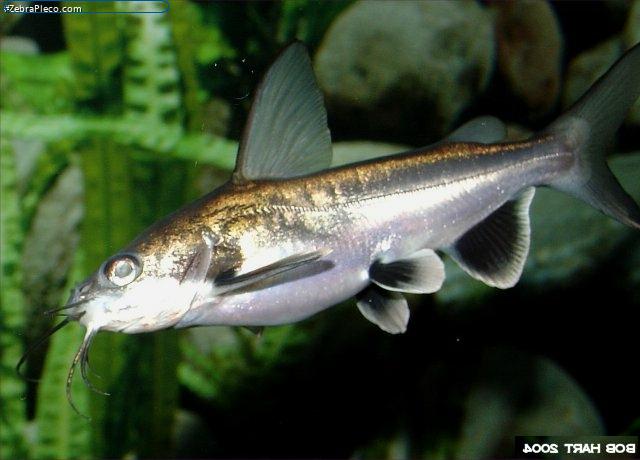
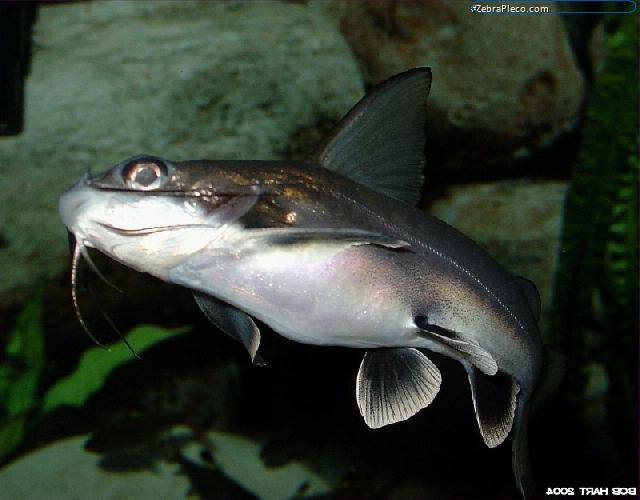
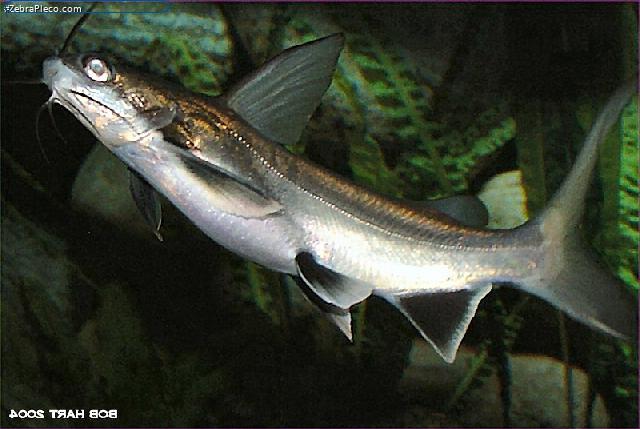
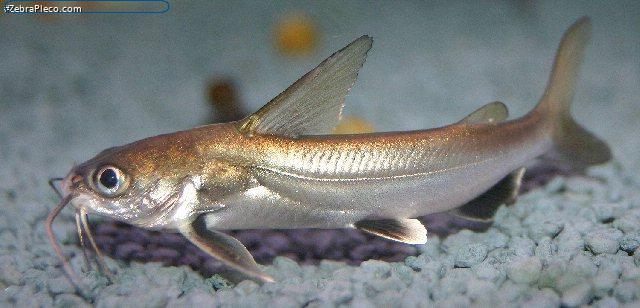
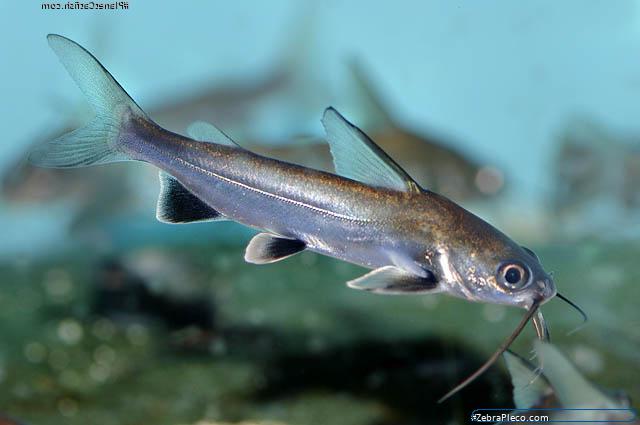
Photographs, diagnostic angles and morphological variants
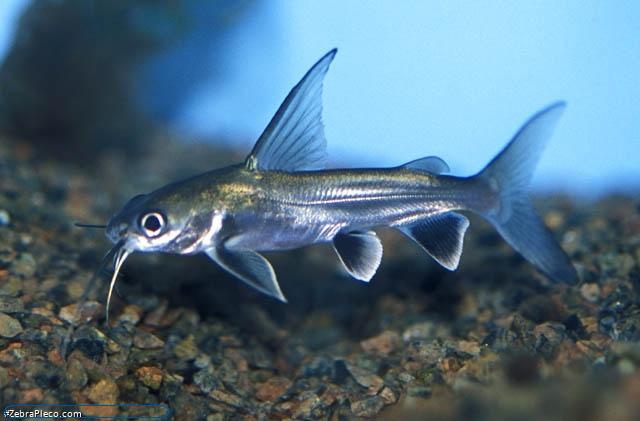
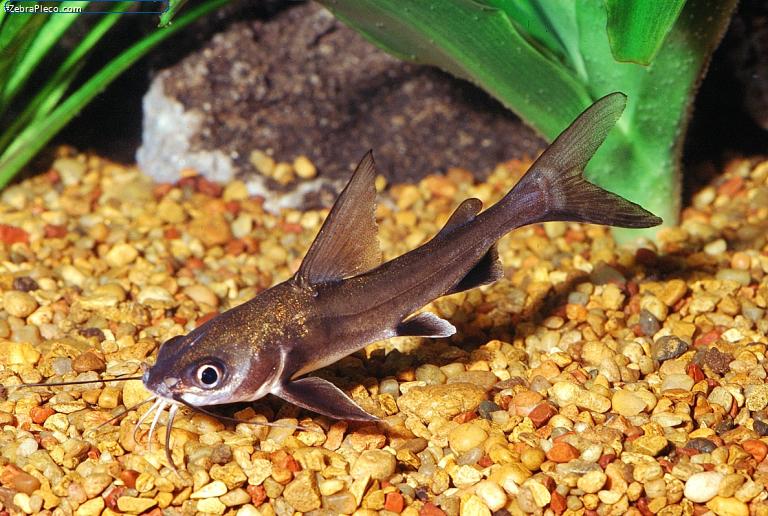
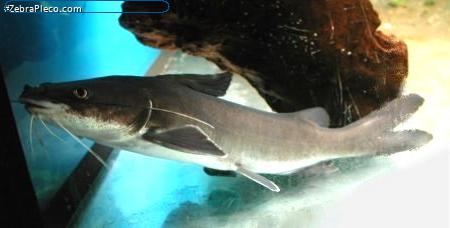
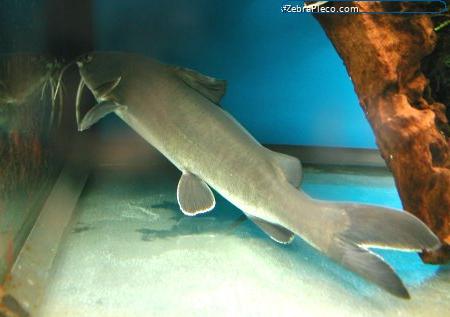
Community & Keeper Tally
Member interactions, breeding records and forum mentions
Aquarium Care & Husbandry
Dietary requirements, tank setup, compatibility and breeding
Feeding & Diet
A true omnivore, these fish are often near starvation when bought at the smaller than 2" size but can be brought on very successfully on frozen bloodworm. Once acclimatised, feed less protein rich foods such as catfish tablets. The fish can be trained to approach the surface to feed. Adults can be fed frozen prawns intermittently. [View Member Food Stats]
Aquarium Furniture & Decor
Large, open spaces not too brightly lit, this fish is an active shoaler although initially youngsters are quite shy if not given plenty of plant cover. Rocks and or wood are unnecessary.
Compatibility & Suggested Tankmates
Very similar to South American Pimelodids, keep with fish that like similar water conditions and are big enough to prevent being considered prey. Youngsters (smaller than 12cm) can be kept in alkaline fresh water (with for example rift lake cichlids), but larger fish MUST have salt added to the water in order to thrive.
Tankmates: Initially most medium sized active fish, but with the addition of salt to the water as the fish grow, brackish water fish such as Monos, Scats or large Mollies are the order of the day.
Breeding Notes
A mouthbrooder, the few, amazingly large eggs are incubated by the male. Reproduction in the aquarium is difficult as the aquarist requires to emulate the migration from marine to fresh water and back again in a spacious aquarium. The is one verbal report of this being accomplished by an American aquarist who spawned the fish by gradually changed the water from marine to fresh water and back again over a 12 month period.
Habitat & Water Parameters
Natural distribution, biotope water conditions and temperature ranges
Geographic Distribution
Central and South America: Pacific draining rivers and estuaries from Mexico to Peru.
Pacific, Eastern Central Pacific (click on these areas to find other species found there)
Login to view the map.
Species Description & Identification
Morphology, diagnostic traits and sexual dimorphism
Identification
ID based on adult specimens, the young fish appear regularly in the hobby and various species (from coastal Peru and Brazil) may be available. The differences between many of the genus are slight at an early age.
Sexual Dimorphism (Sexing)
Immature at under 200mm length, female has lighter fins in adult fish.
Taxonomy, Synonyms & Etymology
Classification history, linguistic derivations and variant forms
Synonyms
Ariopsis simonsi, Arius jordani, Arius seemanni, Galeichthys eigenmanni, Galeichthys gilberti, Galeichthys jordani, Galeichthys seemanni, Galeichthys simonsi, Hexanematichthys jordani, Hexanematichthys seemanni, Hexanematichthys simonsi, Sciades seemanni, Tachisurus jordani, Tachisurus seemanni, Tachysurus eigenmanni
Pronunciation
- sea MAN aye
Literature & Resources
Scientific publications, external links and citation tools
Description Reference
Catalogue of the fishes in the British Museum v. 5, pp 147, Fig.
External Databases
Related Searches

