PAGE_HEADER
Rhyacoglanis seminiger Shibatta & Vari, 2017
Image Showcase
Photographs, diagnostic angles and morphological variants
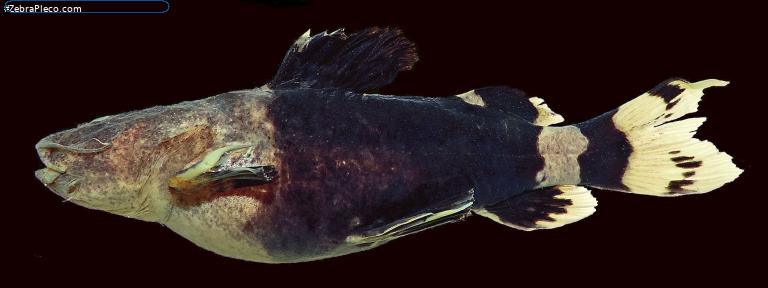
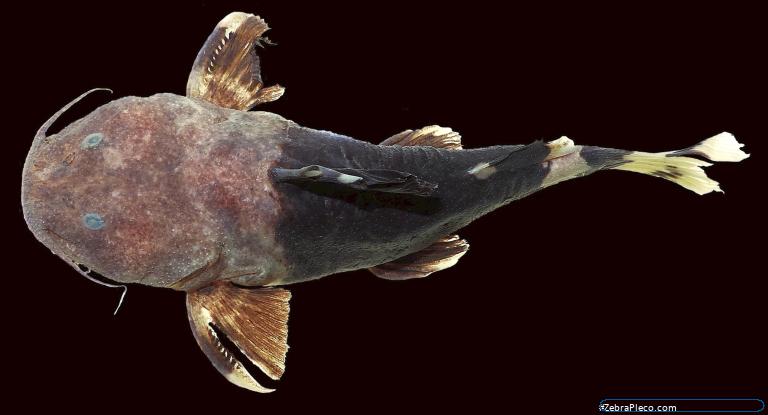
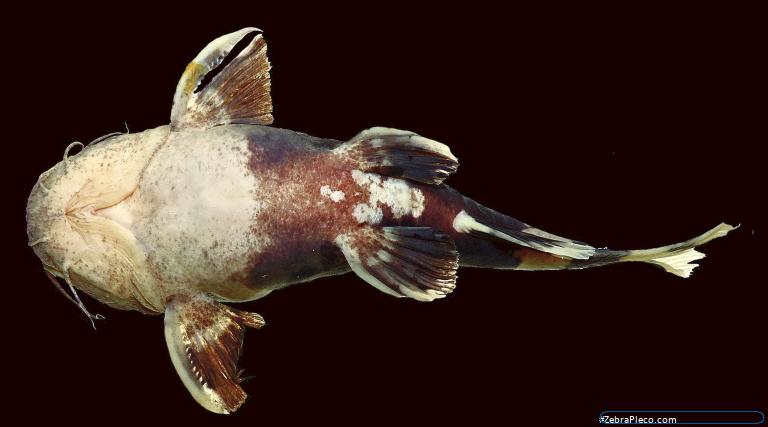
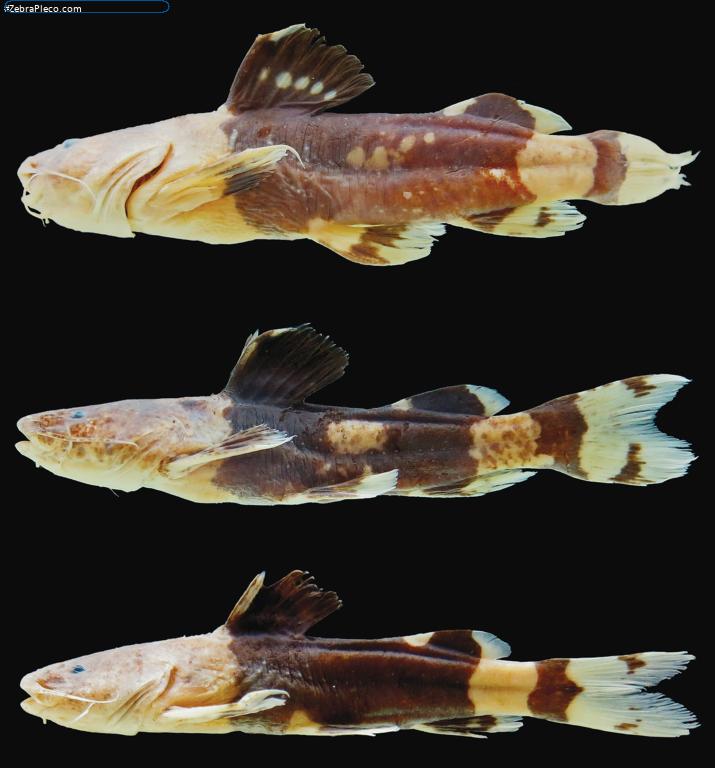
Community & Keeper Tally
Member interactions, breeding records and forum mentions
Aquarium Care & Husbandry
Dietary requirements, tank setup, compatibility and breeding
Aquarium Furniture & Decor
See general remarks. Rhyacoglanis likely prefer well-aerated water with significant current over a substrate of rocks, pebbles and sand.
Breeding Notes
No member of this genus has been bred in the aquarium.
Habitat & Water Parameters
Natural distribution, biotope water conditions and temperature ranges
Geographic Distribution
South America: Rio Tapajós basin, Mato Grosso, Brazil.
Amazon, Lower Amazon, Tapajós, Upper Tapajós, Juruena (click on these areas to find other species found there)
Login to view the map.
Species Description & Identification
Morphology, diagnostic traits and sexual dimorphism
Identification
Rhyacoglanis is distinguished from other Pseudopimelodidae by three synapomorphies: presence of a light blotch on the cheek; a connection between the middle of the dark caudal-fin stripe and the dark caudal-peduncle pigmentation; and 30-35 total vertebrae. A key to the species is located HERE.
Rhyacoglanis seminiger differs from all congeners by having a fusion of the dark subdorsal and subadipose bands, creating a broad uniformly-dark area across most of the body (vs. distinct subdorsal and subadipose bands with a pale space separating them).
General Remarks
Rhyacoglanis are rheophilic, being found in rapids and other swift-flowing waters.
Taxonomy, Synonyms & Etymology
Classification history, linguistic derivations and variant forms
Etymology
Rhyacoglanis, from the Greek rhyax = torrent + glanis = catfish; indicating a catfish inhabiting running waters in reference to the habitat of the genus. Gender masculine. The specific epithet seminiger, adjective from the Latin semi = half + niger = black, referring to the dramatically contrasting light vs. dark body colour pattern.
Literature & Resources
Scientific publications, external links and citation tools
Description Reference
Neotropical Ichthyology v. 15 (no. 2) e160132, pp 17, Figs. 3e, 11, 12.
External Databases
Related Searches