PAGE_HEADER
Pareiorhaphis hystrix (Pereira & Reis, 2002)
Image Showcase
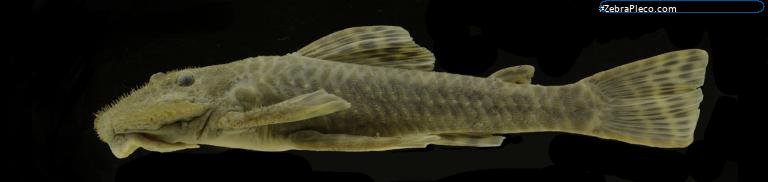
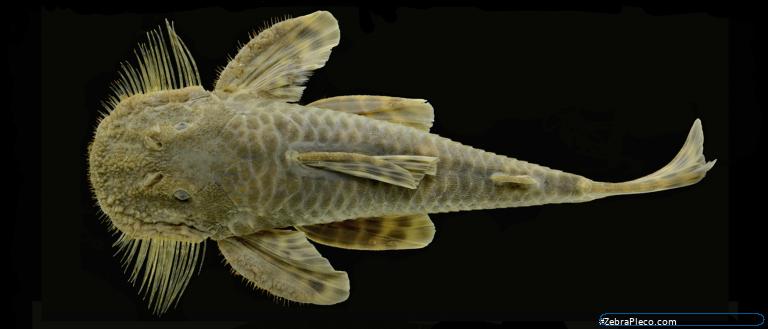
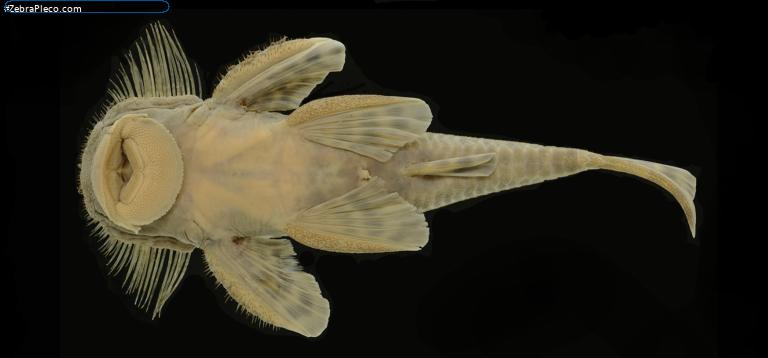
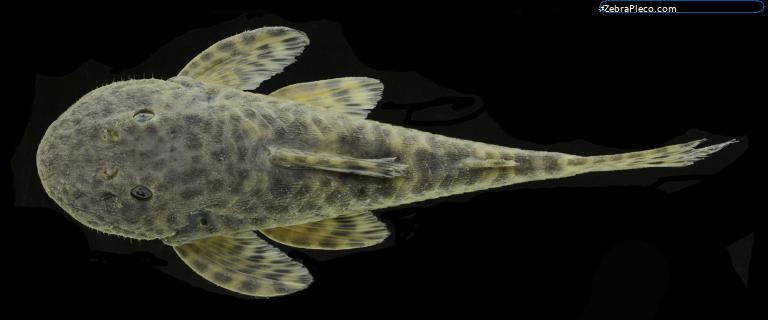
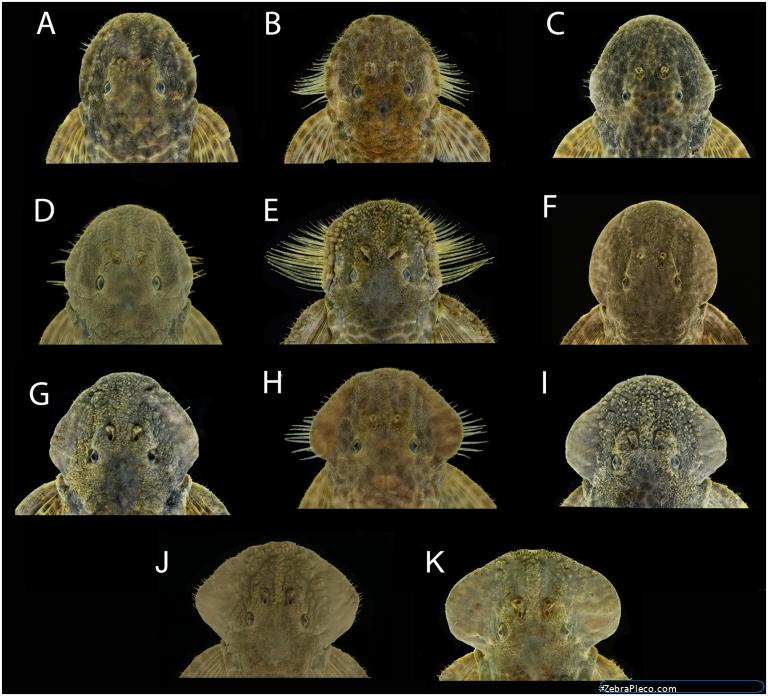
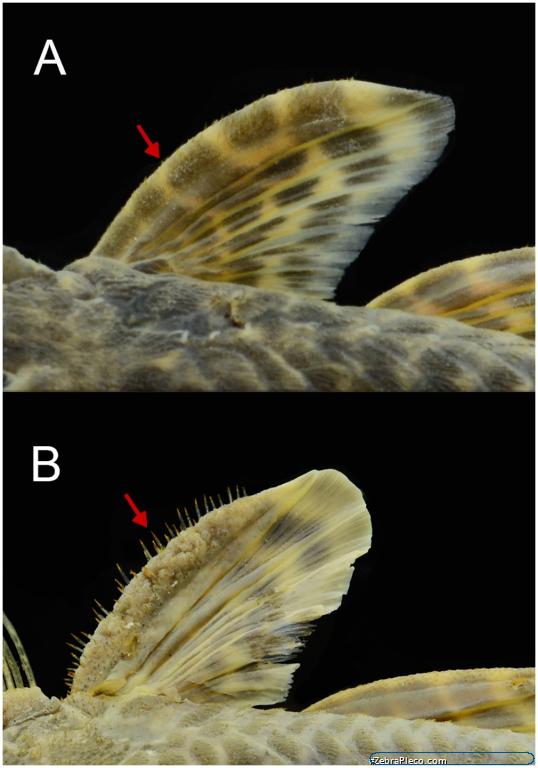
Photographs, diagnostic angles and morphological variants
Community & Keeper Tally
Member interactions, breeding records and forum mentions
Aquarium Care & Husbandry
Dietary requirements, tank setup, compatibility and breeding
Breeding Notes
No member of this genus has been bred in the aquarium.
Habitat & Water Parameters
Natural distribution, biotope water conditions and temperature ranges
Geographic Distribution
South America: Brazil.
La Plata, Uruguay, Upper Uruguay, Canoas (click on these areas to find other species found there)
La Plata, Uruguay, Upper Uruguay, Chapecó (click on these areas to find other species found there)
La Plata, Uruguay, Middle Uruguay, Ijuí (click on these areas to find other species found there)
La Plata, Uruguay, Upper Uruguay, Pelotas (click on these areas to find other species found there)
Rio Grande Do Sul State Waters, Laguna dos Patos, Guaíba, Jacuí, Taquari (Rio Grande do Sul) (click on these areas to find other species found there)
La Plata, Uruguay, Upper Uruguay (click on these areas to find other species found there)
Santa Catarina State Rivers, Mampituba Imported (click on these areas to find other species found there)
La Plata, Uruguay, Upper Uruguay, Pelotas, Pelotinhas Imported (click on these areas to find other species found there)
Login to view the map.
Species Description & Identification
Morphology, diagnostic traits and sexual dimorphism
Identification
Pareiorhaphis species are primarily diagnosed from remaining neoplecostomines by having the canal plate firmly articulated to the preopercle, and by a series of sexually-dimorphic features of hypertrophied odontodes of adult males, giving the fish a hispid appearance.
General Remarks
This species shows significant colour and morphological variation across its range, even with regard to secondary sex traits in males.
Taxonomy, Synonyms & Etymology
Classification history, linguistic derivations and variant forms
Synonyms
Hemipsilichthys hystrix
Etymology
There is 1 other speciesAcanthicus hystrix with this specific name.
Literature & Resources
Scientific publications, external links and citation tools
Description Reference
Ichthyological Exploration of Freshwaters v. 13 (no. 2), pp 134, Fig. 22.
External Databases
Related Searches