PAGE_HEADER
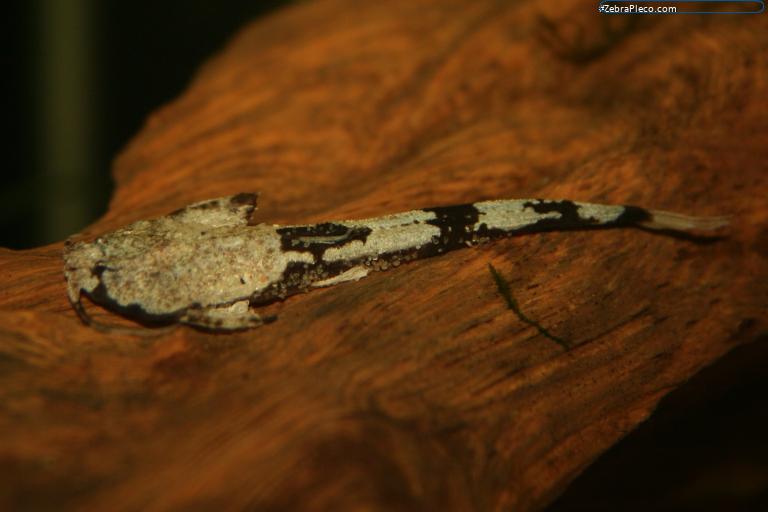
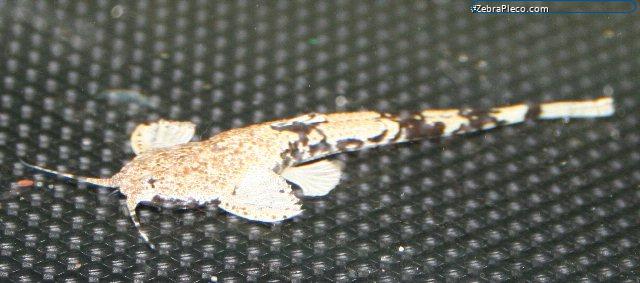
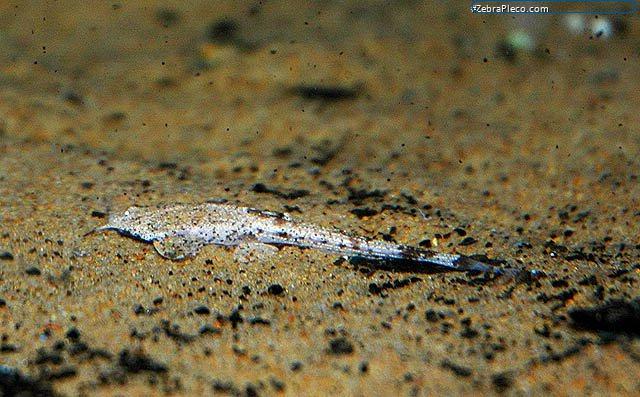
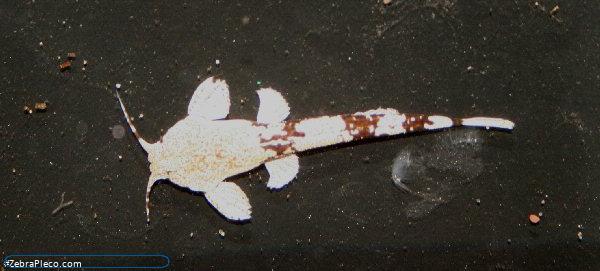
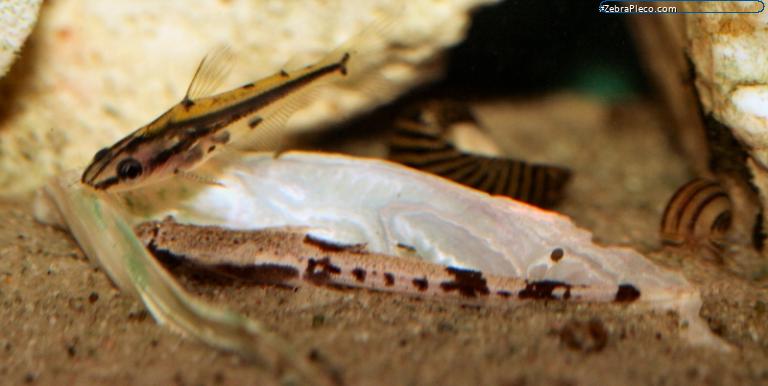
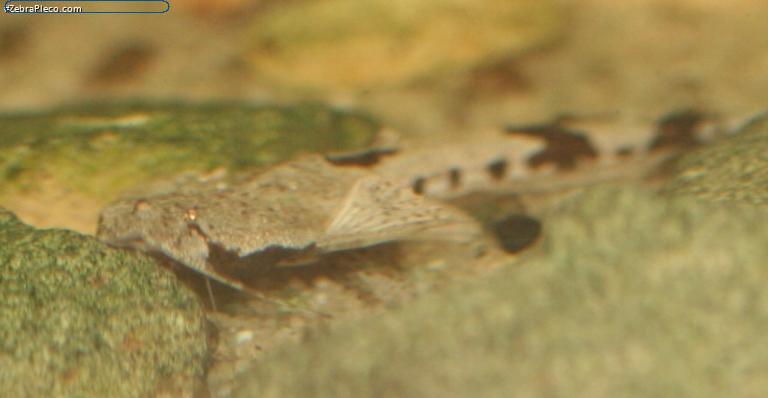
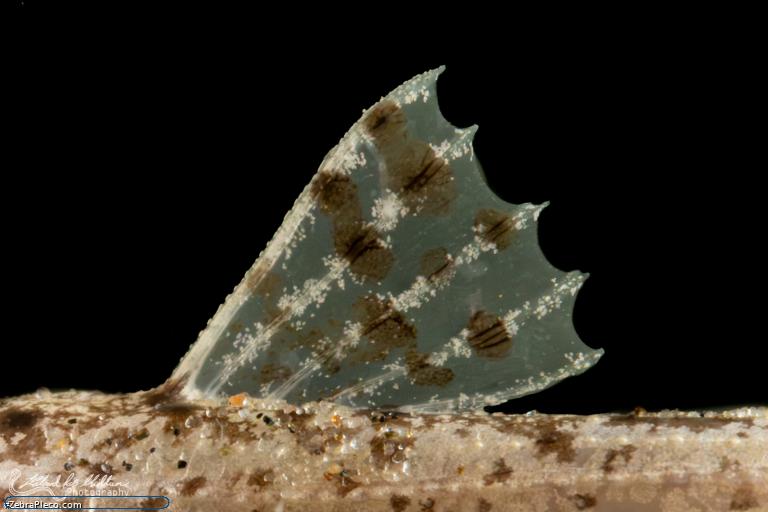
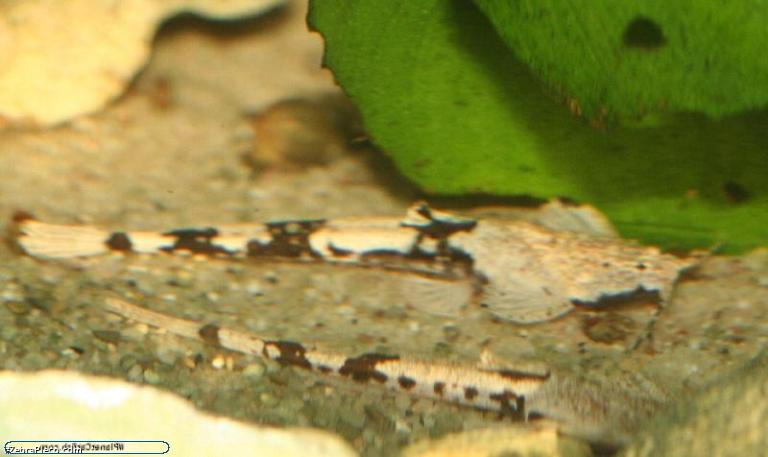
Pterobunocephalus dolichurus (Delsman, 1941)
Image Showcase
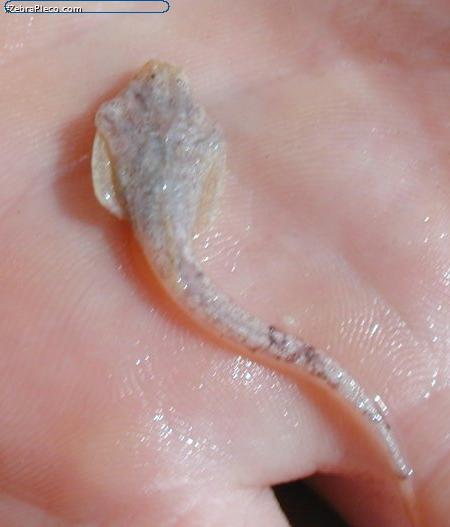
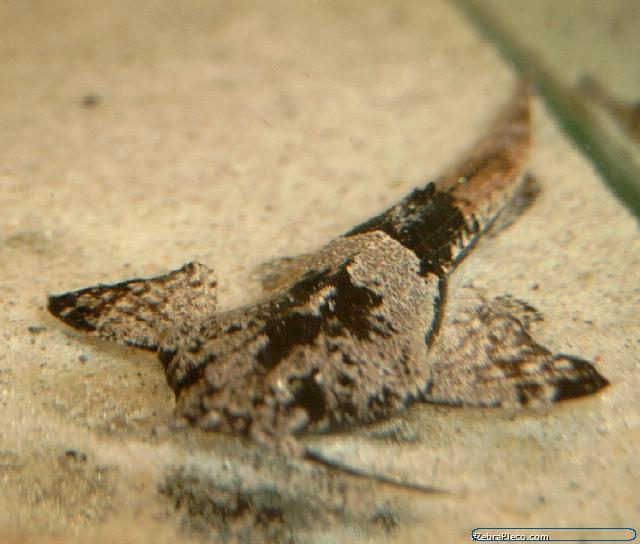
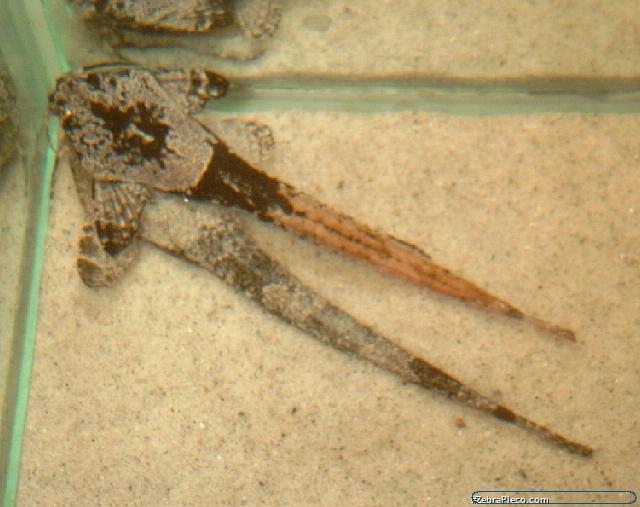
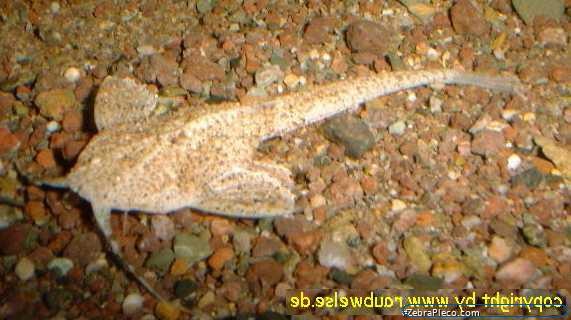
Photographs, diagnostic angles and morphological variants
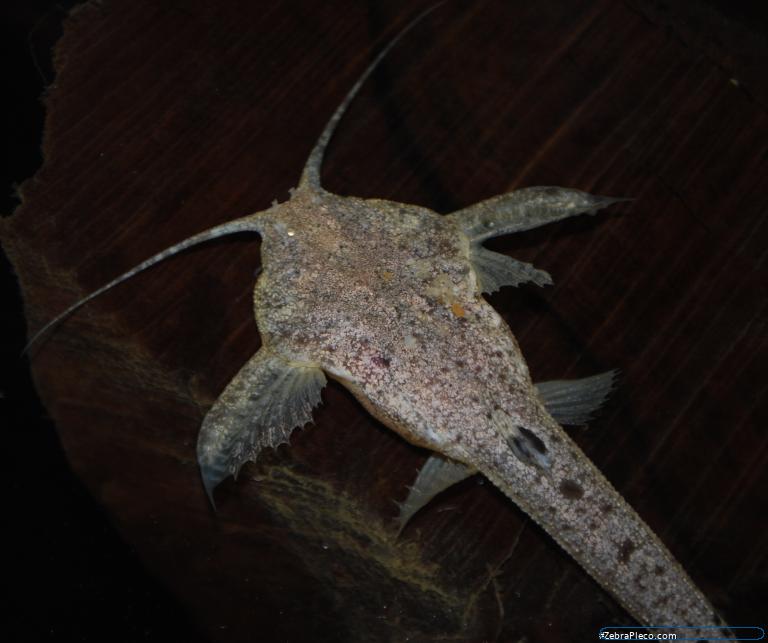
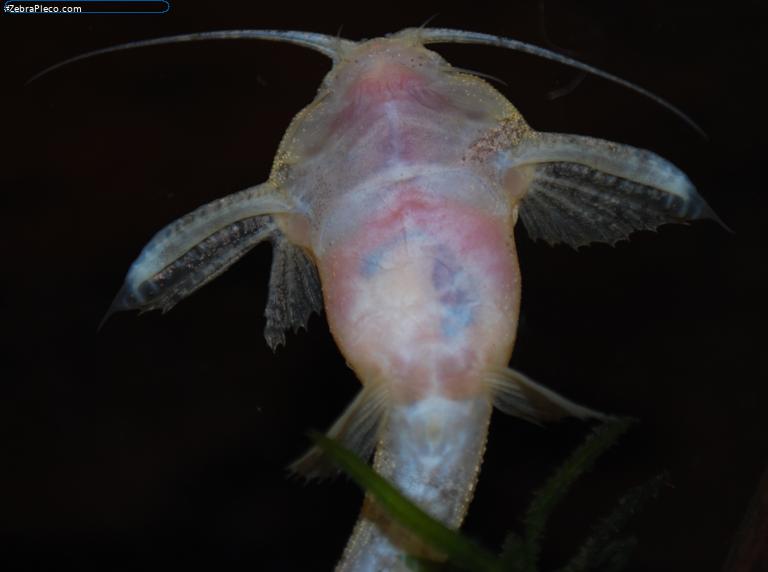
Community & Keeper Tally
Member interactions, breeding records and forum mentions
Aquarium Care & Husbandry
Dietary requirements, tank setup, compatibility and breeding
Feeding & Diet
Will eat prepared foods and enjoys frozen bloodworm. Food is only eaten as it crosses the path of this fish as it stays still even during feeding. [View Member Food Stats]
Aquarium Furniture & Decor
Sandy bottom with twigs or smaller bogwood as opposed to larger pieces. Plants are not uproots and are ignored.
Compatibility & Suggested Tankmates
Entirely peaceful.
Tankmates: Smaller tetras are a good idea. Pencilfish are ideal. All lively fish that stick to the upper half of the tank are also a good mix. Avoid, or at least limit, the number of active fish that feed from the bottom. A good catfish to keep with the smaller or pygmy Corydoras species.
Breeding Notes
Not recorded in captivity, but females are known to carry eggs attached to their stomach.
Habitat & Water Parameters
Natural distribution, biotope water conditions and temperature ranges
Geographic Distribution
South America: Amazon River basin.
Amazon (click on these areas to find other species found there)
Orinoco (click on these areas to find other species found there)
La Plata, Paraná, Paraguay (click on these areas to find other species found there)
Amazon, Lower Amazon, Trombetas (click on these areas to find other species found there)
Login to view the map.
Species Description & Identification
Morphology, diagnostic traits and sexual dimorphism
Taxonomy, Synonyms & Etymology
Classification history, linguistic derivations and variant forms
Synonyms
Bunocephalus dolichurus, Petacara dolichura, Petacara dolichurus
Pronunciation
terr oh BOON oh SEFF ah luss - doll ee KOOR uss
Etymology
Pterobunocephalus: From the Greek pteron, meaning fin, and bunocephalus; in reference to the long anal fin.
Literature & Resources
Scientific publications, external links and citation tools
Description Reference
Mémoires du Musée royal d'histoire naturelle de Belgique (Ser. 2) No. 21, pp 77, Fig. 12.
External Databases
Related Searches