PAGE_HEADER
Noturus maydeni Egge, 2006
Image Showcase
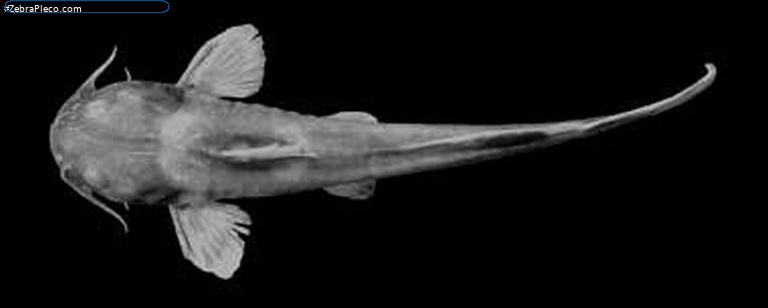
Photographs, diagnostic angles and morphological variants

Community & Keeper Tally
Member interactions, breeding records and forum mentions
Aquarium Care & Husbandry
Dietary requirements, tank setup, compatibility and breeding
Feeding & Diet
The natural diet of this species is primarily aquatic insects. [View Member Food Stats]
Aquarium Furniture & Decor
Sand substrate, slate and cobblestones are essential. Wood, pipes or other hiding places can augment the habitat.
Breeding Notes
In nature, spawning occurs in early- to mid-summer. Males dig nests in slower water beneath large (18-30cm across) smooth flat rocks over fine gravel or sand. Some natural nests are as deep as 10-20 cm. Nests have been collected in water at 28C.
Habitat & Water Parameters
Natural distribution, biotope water conditions and temperature ranges
Geographic Distribution
North America: Black and St. Francis river drainages in Arkansas and Missouri, USA.
Gulf Coast Drainages, Mississippi, White River (Arkansas), Black (click on these areas to find other species found there)
Gulf Coast Drainages, Mississippi, Saint Francis (click on these areas to find other species found there)
Login to view the map.
Species Description & Identification
Morphology, diagnostic traits and sexual dimorphism
Identification
Overall coloration mottled grey to grey-brown, with pale yellow background and ventral surface. Dorsal surface of head dark and solid in coloration except for pale region immediately posterior to each eye. Nasal barbels fully pigmented. Dorsal surface of maxillary barbels moderately to fully covered with grey to grey-brown pigment. Outer mandibular barbels typically immaculate, but some individuals have light pigmentation. Inner mandibular barbels always light yellow or creamy white in colour as ventral surface of head. Dorsal surface of pectoral spines heavily pigmented with some pigment extending onto fin rays and membranes. Pelvic fins immaculate distally, but may have light pigmentation extending from body onto base. Flank pigmentation less solid and increasingly mottled posteriorly. Three distinct dorsal saddles visible as distinct areas of solid dark grey to grey brown pigment on dorsal surface. Considerable individual variation exists in the sizes and intensities of the dark markings on the body and fins.
Sexual Dimorphism (Sexing)
Mature males have elongate genital papillae with little swelling round the base tissue, vs. shorter genital papillae partially obscured by very swollen tissue around the base of the papilla. Also, males have enlarged head musculature and swollen lips, compared to mature females, which will have a thickened abdomen when gravid.
General Remarks
N. maydeni is morphologically identical to N. albater, but is distinguished as a species based upon differences in karyotypes (2n = 56–58 vs. 65–72, respectively), allozyme loci, and DNA sequence data.
Taxonomy, Synonyms & Etymology
Classification history, linguistic derivations and variant forms
Pronunciation
no two russ
Etymology
From the Greek notos, meaning back and oura, meaning tail. In reference to the confluent adipose and caudal fins. Named to honour ichthyologist Richard L. Mayden, recognised for his work on species concepts and his contributions to ichthyology, particularly the systematics and biology of central highlands fishes. Dr Mayden has published most of what is known about the life history of the cryptic madtom.
Literature & Resources
Scientific publications, external links and citation tools
Literature & References
External Databases
Related Searches