PAGE_HEADER
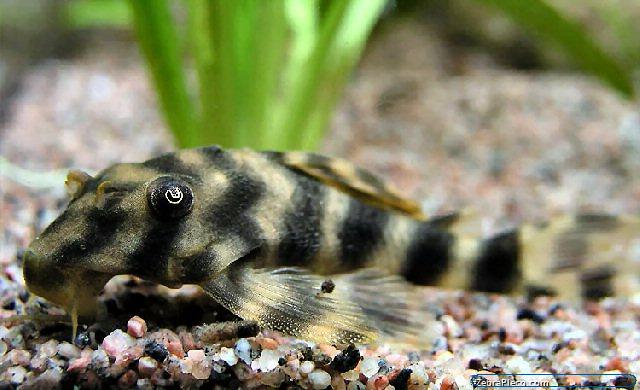
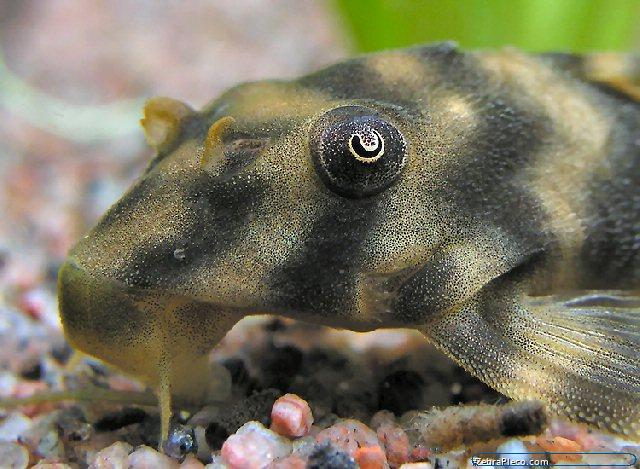
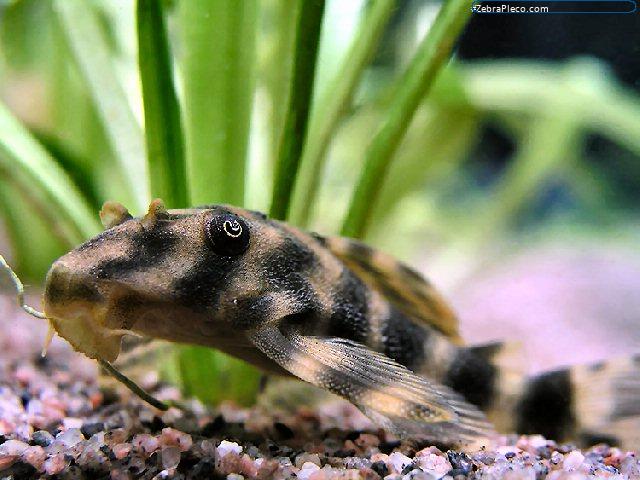
Peckoltia multispinis (Holly, 1929)
Image Showcase
Photographs, diagnostic angles and morphological variants
Community & Keeper Tally
Member interactions, breeding records and forum mentions
Aquarium Care & Husbandry
Dietary requirements, tank setup, compatibility and breeding
Feeding & Diet
Omnivorous with a tendency towards meaty foods. Not an effective algae eater. Well fed individuals will not damage most plants. [View Member Food Stats]
Aquarium Furniture & Decor
Rock piles and wood tangles. Plants are not vital.
Compatibility & Suggested Tankmates
Peaceful if a little territorial. As a rough guide give each fish a 12 inch square area well broken up with decorations.
Tankmates: A medium sized pleco that can be combined with a very wide array of tankmates due to its unfussy nature. Perfectly safe with small fishes and shrimp or robust enough to withstand the attention of all but the largest cichlids.
Habitat & Water Parameters
Natural distribution, biotope water conditions and temperature ranges
Geographic Distribution
South America: Brazil: Rio Tocantins
Amazon, Lower Amazon, Tocantins (click on these areas to find other species found there)
Santa Catarina State Rivers, Itapocu Imported (click on these areas to find other species found there)
Rio Grande Do Sul State Waters, Tramandaí Imported (click on these areas to find other species found there)
Login to view the map.
Species Description & Identification
Morphology, diagnostic traits and sexual dimorphism
Identification
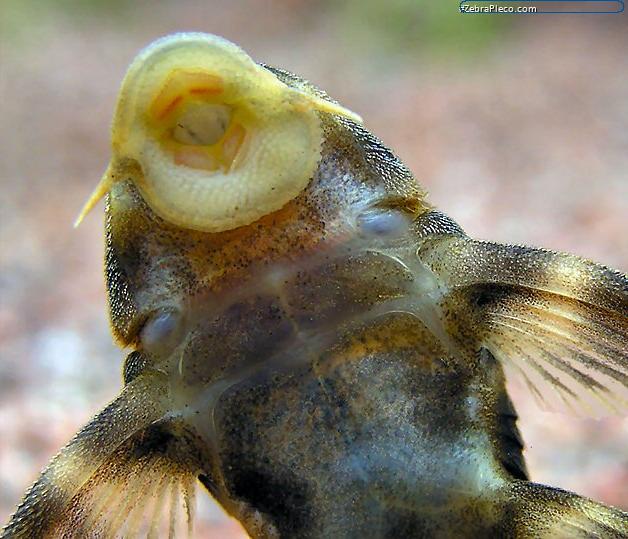
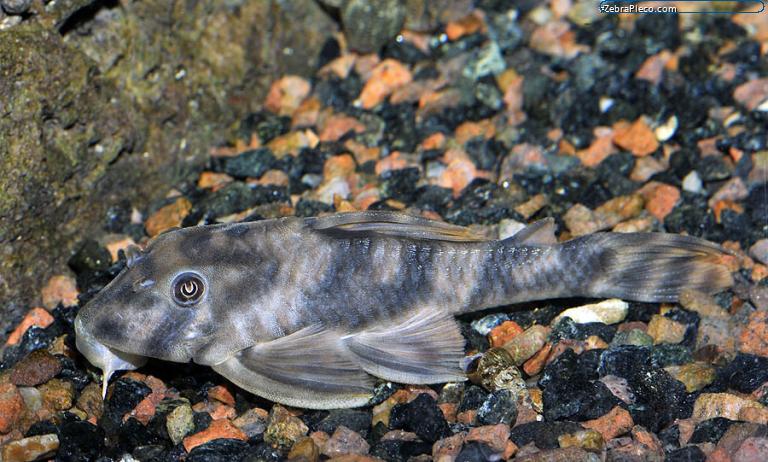
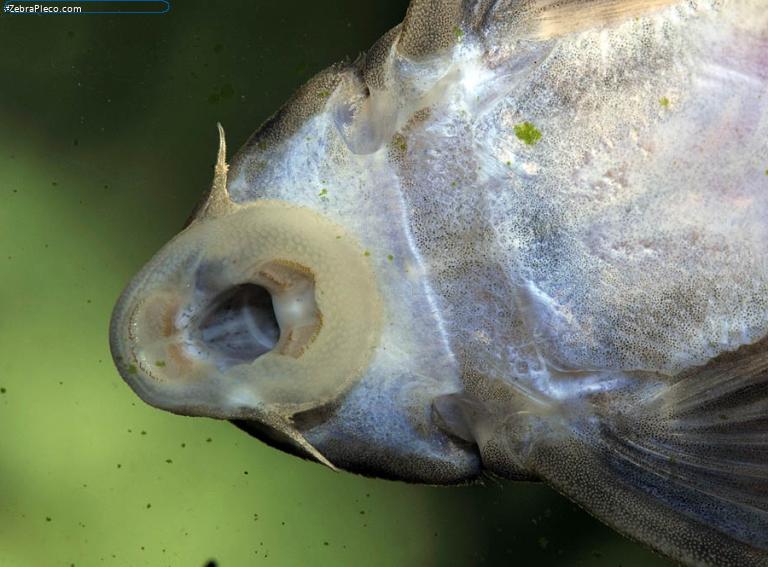
The species is relatively unique in that it has the lower lip consisting of short, multibranched fimbriae; however, some P. vittata approach the condition in P. multispinis.
Sexual Dimorphism (Sexing)
Males develop small teeth-like odontodes which adorn the leading pectoral fin rays and the back half of the fishes body. Females remain unadorned and have a wider girth across the body most evident when the area just behind the pectoral fins is viewed from above.
General Remarks
From Armbruster et. al. revision of the Peckoltia genus: I tentatively recognise it as valid, but with the colour gone from the type specimen and little pertinent information in the original description, it is impossible to compare the species with other Peckoltia, and it is not included in diagnoses or the key.
Taxonomy, Synonyms & Etymology
Classification history, linguistic derivations and variant forms
Synonyms
? multispinis, Ancistrus multispinis, Lasiancistrus multispinis
Pronunciation
peck OLE tea ah
Etymology
Peckoltia: named after Gustavo Peckolt, member of the Natural History Commission of Rondon.
There is 1 other speciesAncistrus multispinis with this specific name.
Literature & Resources
Scientific publications, external links and citation tools
Literature & References
External Databases
Related Searches