PAGE_HEADER
Pareiorhaphis vetula Pereira, Lehmann A. & Reis, 2016
Image Showcase
Photographs, diagnostic angles and morphological variants
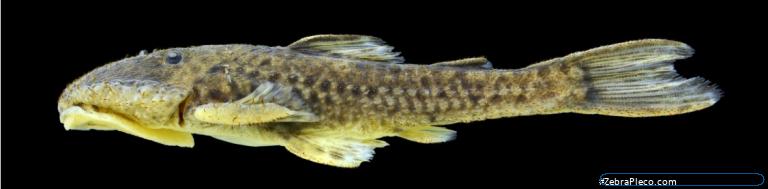
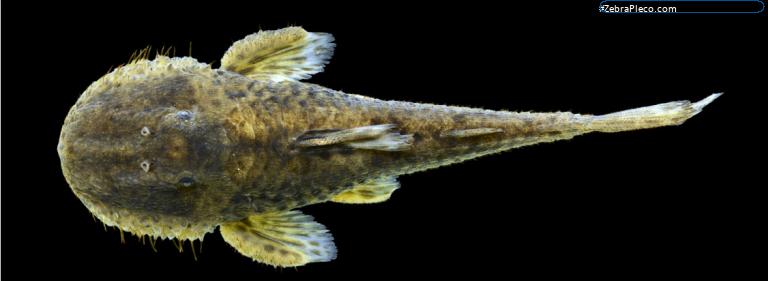
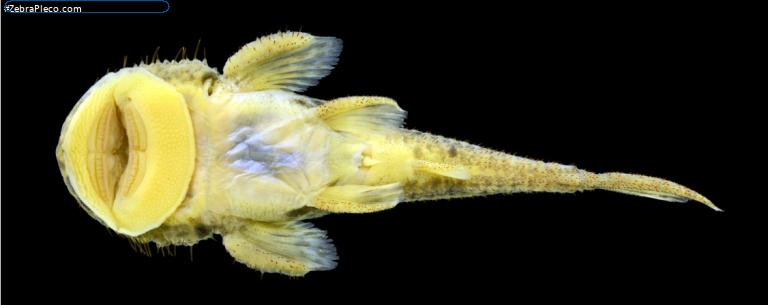
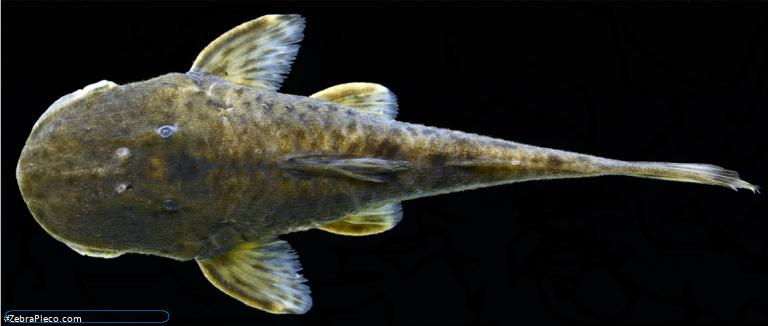
Community & Keeper Tally
Member interactions, breeding records and forum mentions
Aquarium Care & Husbandry
Dietary requirements, tank setup, compatibility and breeding
Aquarium Furniture & Decor
In nature, the substrate is mostly big rocks, pebbles and sand, and the marginal vegetation is composed of grasses and mostly riparian forest.
Breeding Notes
No member of this genus has been bred in the aquarium.
Habitat & Water Parameters
Natural distribution, biotope water conditions and temperature ranges
Geographic Distribution
Upper Rio Doce basin.
Espirito Santo State Rivers, Doce (click on these areas to find other species found there)
Login to view the map.
Species Description & Identification
Morphology, diagnostic traits and sexual dimorphism
Identification
Pareiorhaphis species are primarily diagnosed
from remaining neoplecostomines by having the canal plate firmly articulated to the preopercle, and by a series of
sexually-dimorphic features of hypertrophied odontodes of adult males, giving the fish a hispid appearance.
Pareiorhaphis vetula is distinguished from all congeners by having the maxillary barbel completely adnate (fused, not protruding) to the lower lip, and by adult males possessing a particularly elongate, sharply-pointed and conical urogenital papilla, which distinctly passes the level of the anal opening. P. vetula differs from other Pareiorhaphis by having a shorter pelvic-fin spine and being overall a much smaller fish (max SL 49.3mm).
Sexual Dimorphism (Sexing)
Males have small fleshy lobes on lateral margins of head, hypertrophied cheek and opercular odontodes, pectoral-fin spines thickened and bearing hyperthrophied odontodes, and much broader head. Additionally, males have large and pointed urogenital papilla, plates in dorsal and lateral portions of body covered by enlarged odontodes, and a small dermal flap on dorsal surface of pelvic-fin spine. Females lack above traits, and possess a narrower head which allows lateral margins of lower lip to be visible dorsally.
Taxonomy, Synonyms & Etymology
Classification history, linguistic derivations and variant forms
Etymology
Pareiorhaphis vetula, from the Latin vetulus, old or a little old man, in allusion to the small size of
adult specimens. An adjective.
There is 1 other speciesParaloricaria vetula with this specific name.
Literature & Resources
Scientific publications, external links and citation tools
Literature & References
External Databases
Related Searches