PAGE_HEADER
Hypostomus faveolus Zawadzki, Birindelli & Lima, 2008
Image Showcase
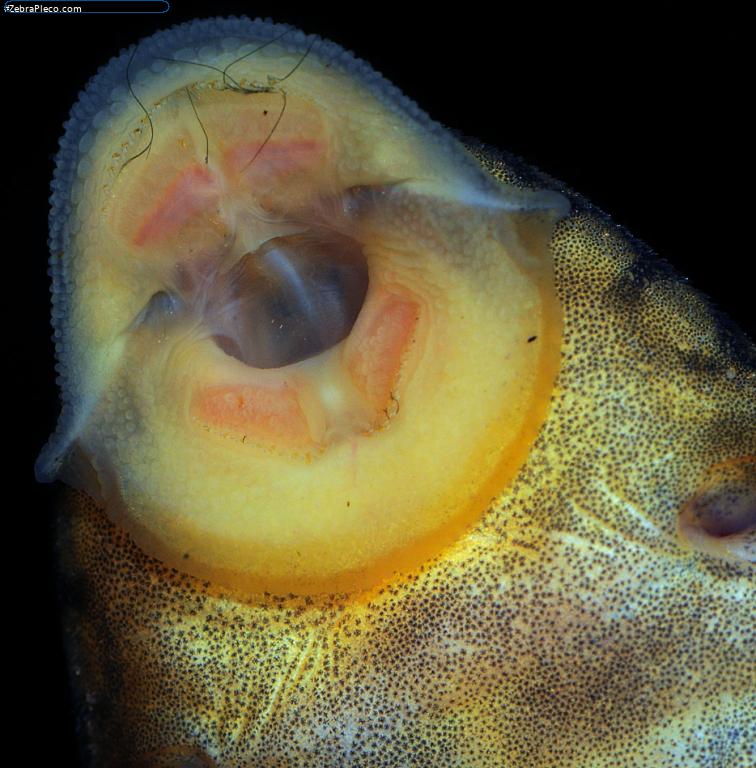
Photographs, diagnostic angles and morphological variants
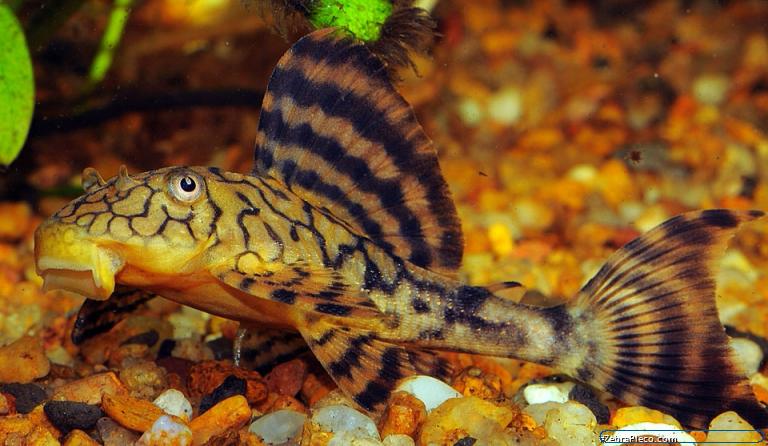
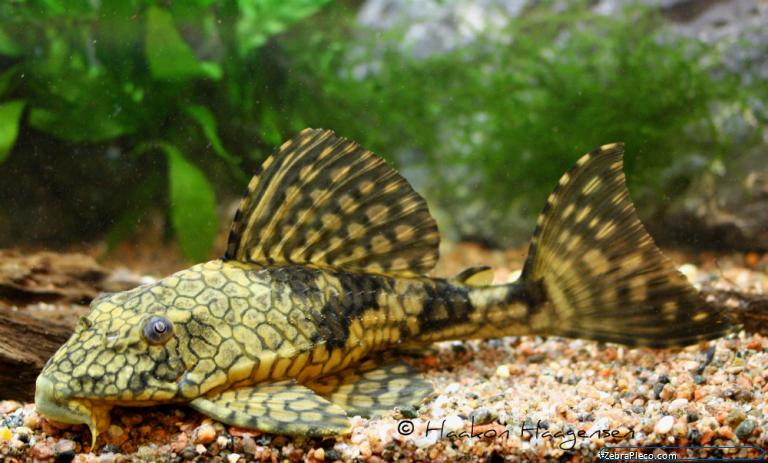
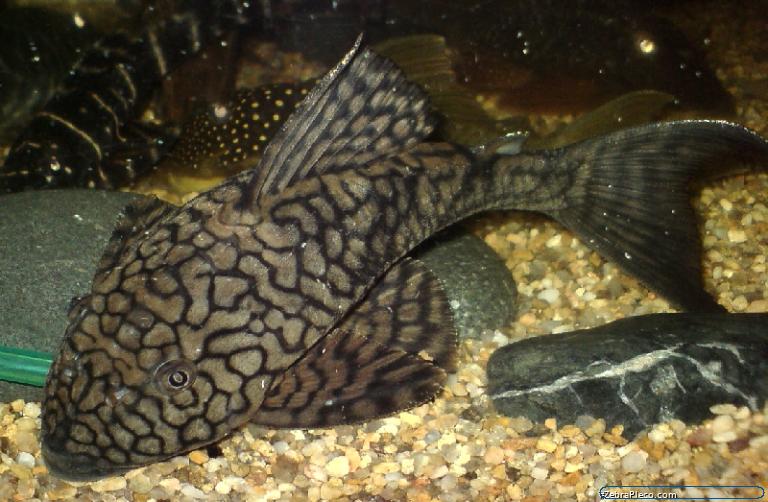
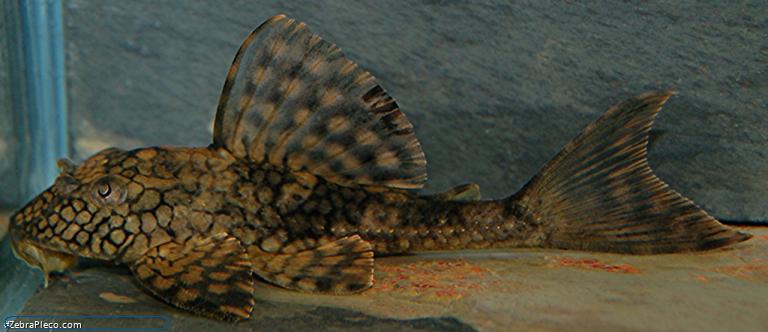


Community & Keeper Tally
Member interactions, breeding records and forum mentions
Aquarium Care & Husbandry
Dietary requirements, tank setup, compatibility and breeding
Aquarium Furniture & Decor
In the wild found in both fast and slow moving water, with both rocky and soft substrate. Like all Loricariidae, the fish will need some good hiding spaces.
Breeding Notes
Has been bred in the aquarium.
Habitat & Water Parameters
Natural distribution, biotope water conditions and temperature ranges
Geographic Distribution
South America: Rio Tocantins basin and the upper rio Xingu basin in central Brazil.
Amazon, Lower Amazon, Tocantins, Lower Tocantins, Araguaia (click on these areas to find other species found there)
Amazon, Lower Amazon, Tocantins, Lower Tocantins, Araguaia, Upper Araguaia (click on these areas to find other species found there)
Amazon, Lower Amazon, Xingu, Upper Xingu (click on these areas to find other species found there)
Login to view the map.
Species Description & Identification
Morphology, diagnostic traits and sexual dimorphism
Identification
A distinctive but uncommon import. It is not a member of the Hypostomus cochliodon group as has been claimed.
General Remarks
Aqualog shows Cordylancistrus platyrhynchus as L037, but does depict the real L037 as L037a!Aqualog shows Cordylancistrus platyrhynchus as L037, but does depict the real L037 as L037a!
Taxonomy, Synonyms & Etymology
Classification history, linguistic derivations and variant forms
Pronunciation
hi POSS tow muss
Etymology
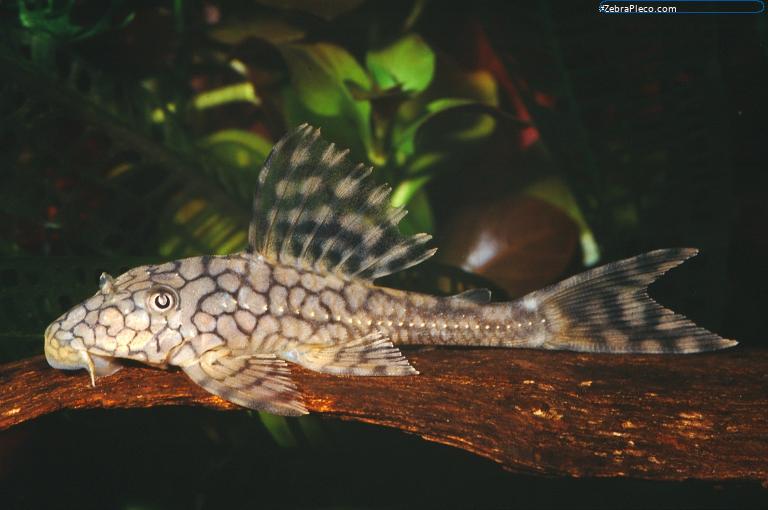
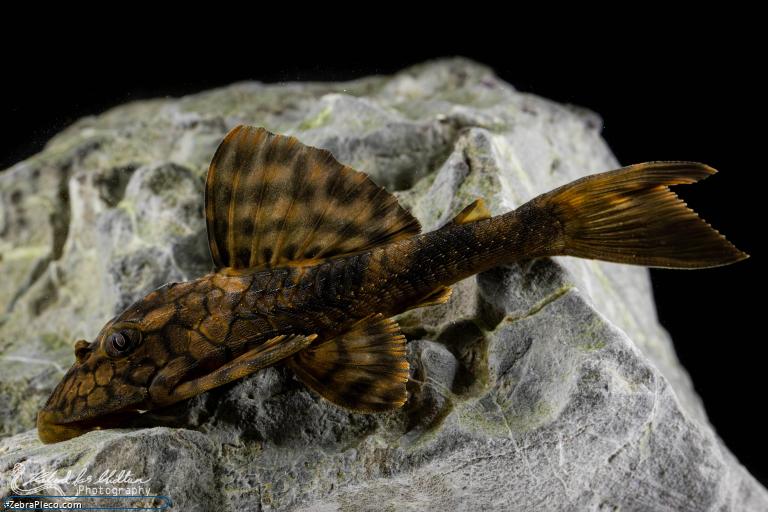
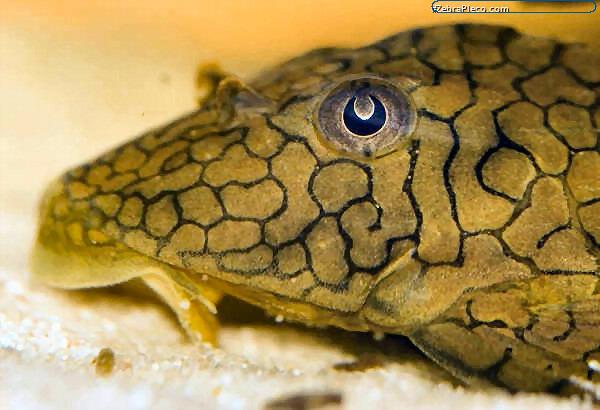
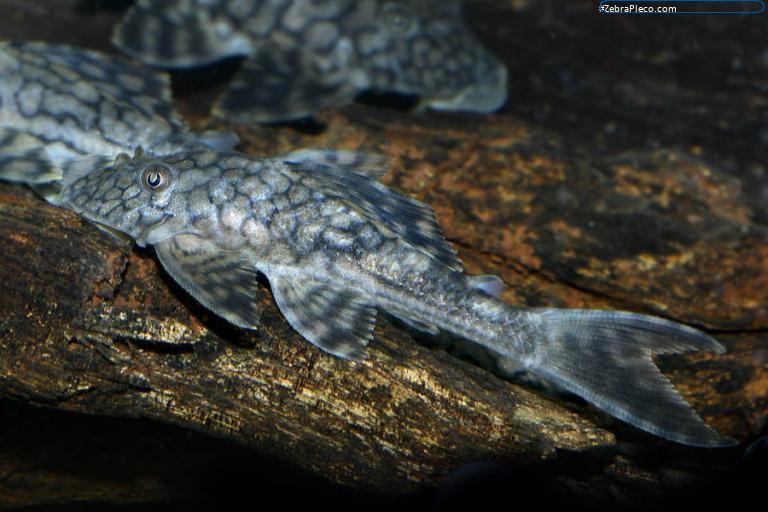
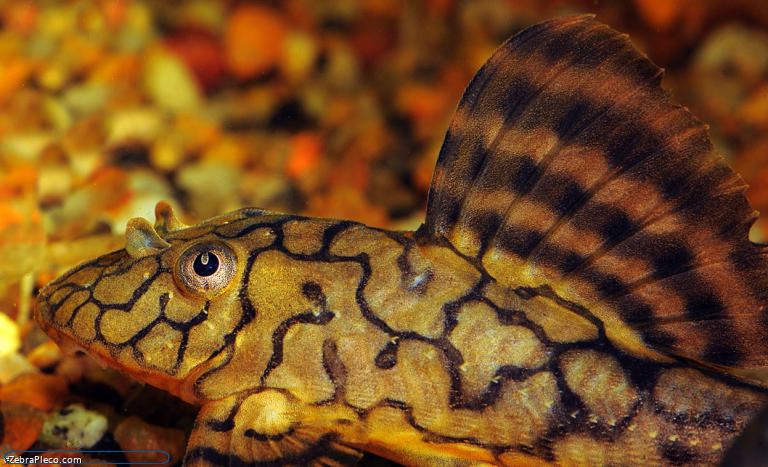
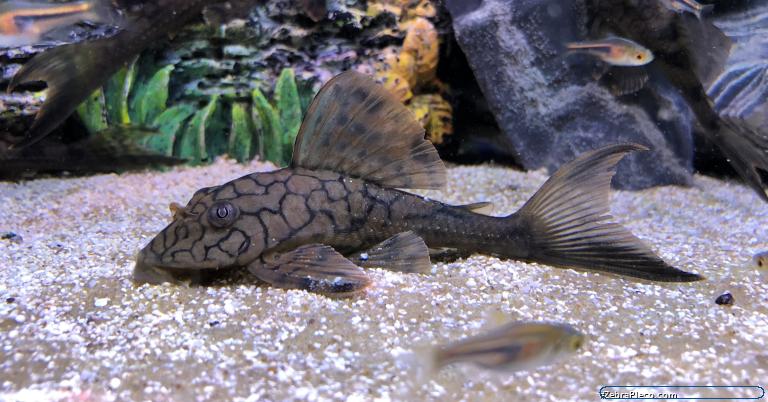
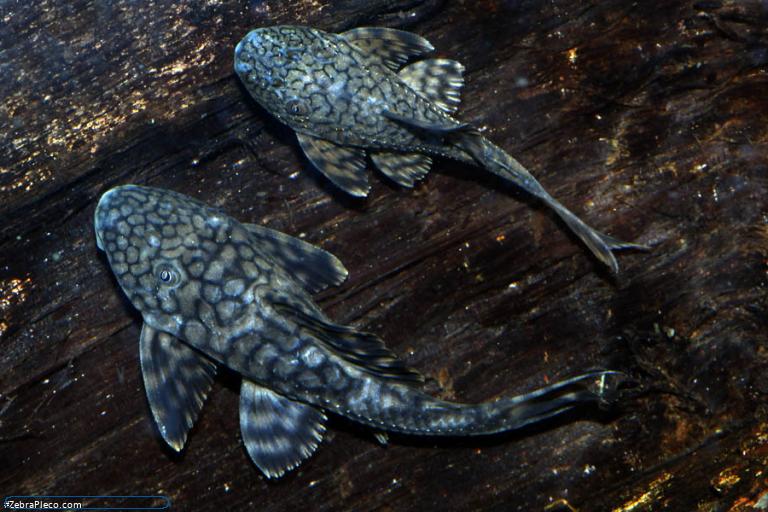
Greek, hypo = under + Greek, stoma = mouth. From the latin faveolus, after favus, honeycomb. In allusion to the colour pattern formed by the pale blotches with thin dark limits.
Literature & Resources
Scientific publications, external links and citation tools
Literature & References
External Databases
Related Searches