PAGE_HEADER
Amblyceps tenuispinis Blyth, 1860
Image Showcase
Photographs, diagnostic angles and morphological variants

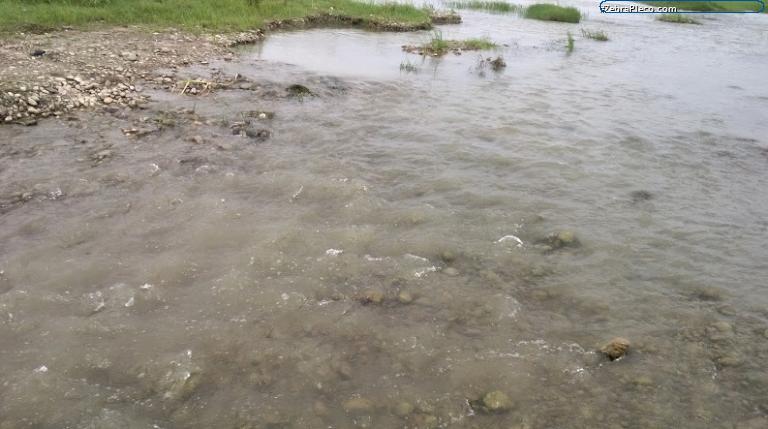
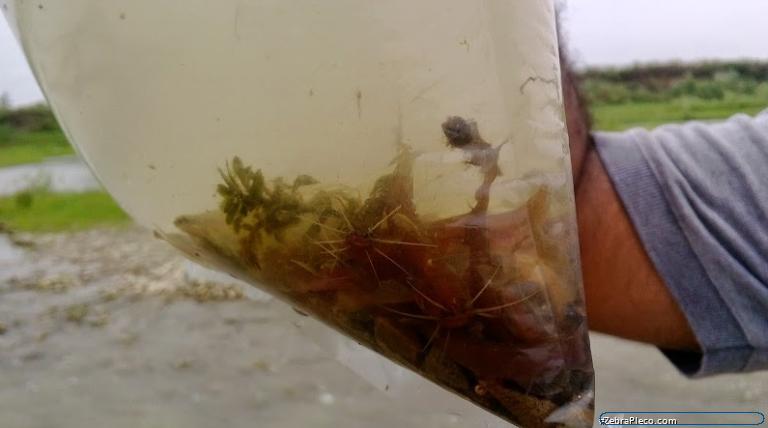
Community & Keeper Tally
Member interactions, breeding records and forum mentions
Aquarium Care & Husbandry
Dietary requirements, tank setup, compatibility and breeding
Feeding & Diet
Readily eats all manner of live and prepared foods. [View Member Food Stats]
Compatibility & Suggested Tankmates
Tankmates: Other associated fish collected belongs to genera Devario,Danio, Opsarius, Garra, Rasbora, Aborichthys, Schistura, Olyra and Batasio.
Breeding Notes
No member of this genus has been bred in the aquarium.
Habitat & Water Parameters
Natural distribution, biotope water conditions and temperature ranges
Geographic Distribution
Ganges drainage, India.
Indian waters, North Eastern India Waters, Padma, Ganges (click on these areas to find other species found there)
Indian waters (click on these areas to find other species found there)
Login to view the map.
Species Description & Identification
Morphology, diagnostic traits and sexual dimorphism
Identification
The catfish genus Amblyceps is characteristic in having the epiphyseal commissure of the supraorbital sensory canals immediately anterior to, and not passing through the epiphyseal bar; the anterior cranial fontanelle narrowing abruptly along its posterior end offering epiphyseal commisure bony support from frontal; the fifth ceratobranchial expanding medially at its posterior tip; pinnatelike rays along anterior margin of the procurrent and medial caudal-fin rays; a transverse crest along entire posterior margin of roof of supraoccipital and pterotic; the lateroposterior process of horizontal lamina of urohyal short or vestigial,shorter than the horizontal lamina; the upper hypurals fused with compound centrum; the anterior nostril situated immediately anterior to the base of the nasal barbel; and both lips with double folds. It is also
characteristic in having a prominent cup-like skin flap above the base of the pectoral spine.
Amblyceps tenuisipinis looks very similar to A.mangois from which it can be differentiated by possessing a more slender body and, internally, more total vertebrae.
General Remarks
This species was originally described from Ghazipur in Uttar Pradesh, India. A neotype was designated by Ng & Wright in 2010.
Taxonomy, Synonyms & Etymology
Classification history, linguistic derivations and variant forms
Pronunciation
AHM bli seps - ten you ee spin iss.
Etymology
From the Greek amblys, meaning blunt and kephale, meaning head; in reference to the blunt snout.
There is 1 other speciesPlicofollis tenuispinis with this specific name.
Literature & Resources
Scientific publications, external links and citation tools
Description Reference
Journal of the Asiatic Society of Bengal v. 29 (no. 2), pp 153.
External Databases
Related Searches