PAGE_HEADER
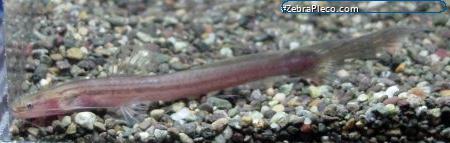
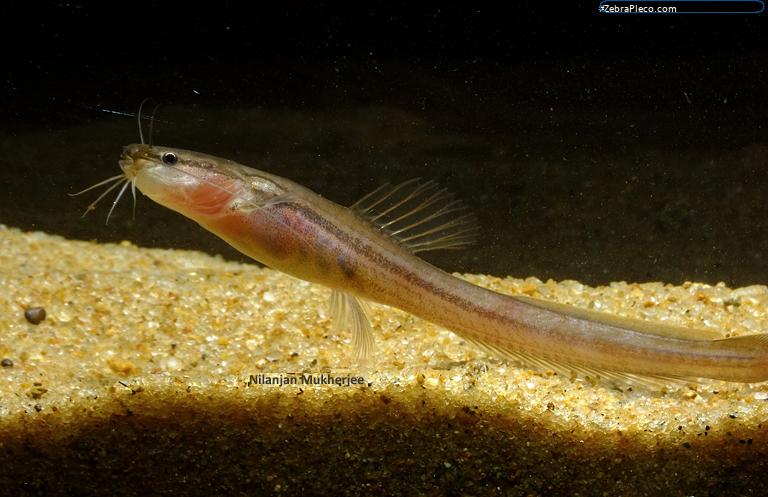
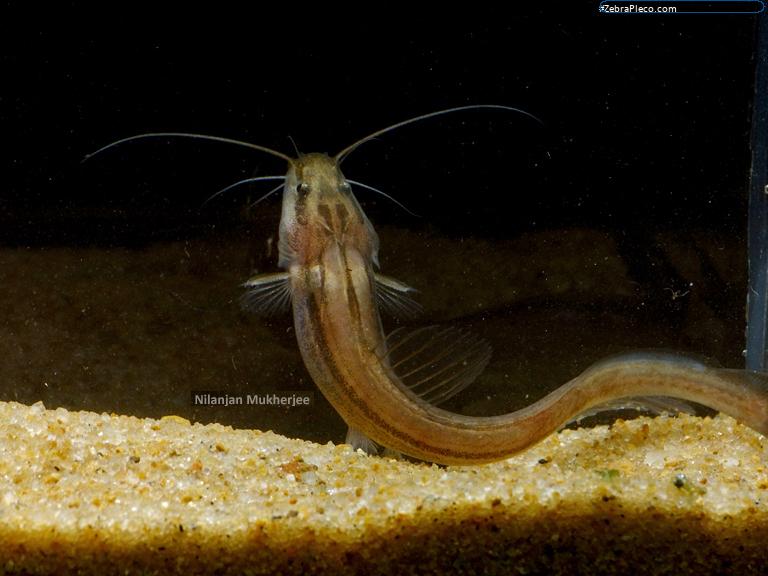
Olyra longicaudata McClelland, 1842
Image Showcase
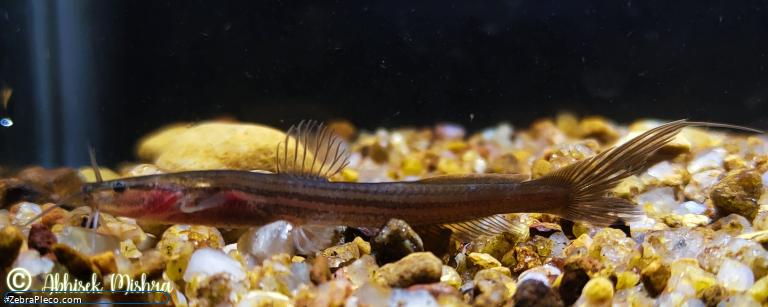
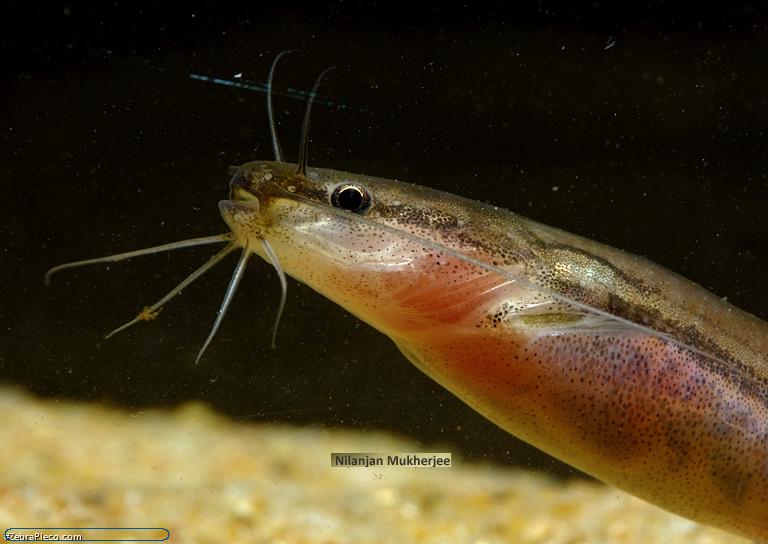
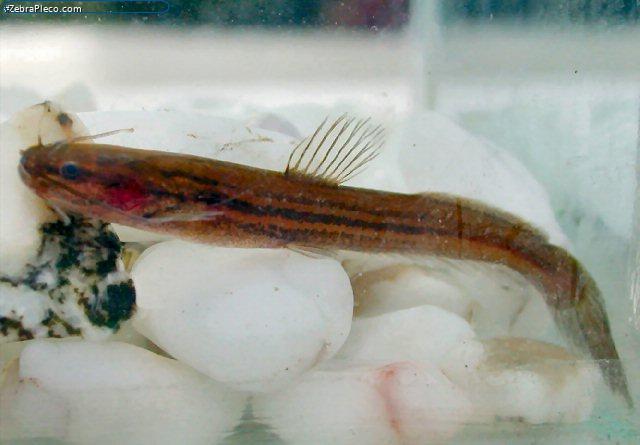
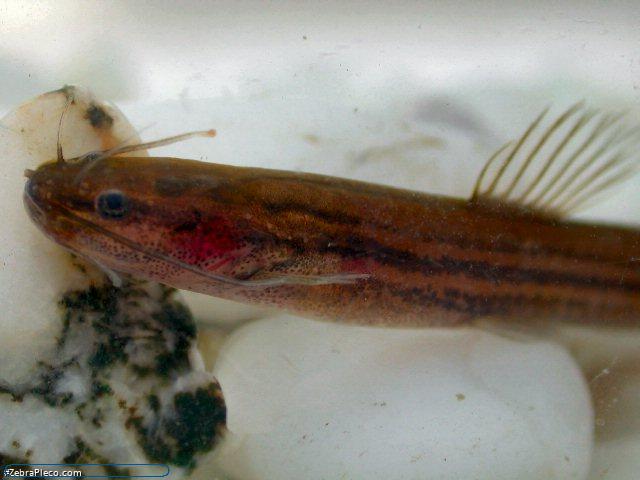
Photographs, diagnostic angles and morphological variants
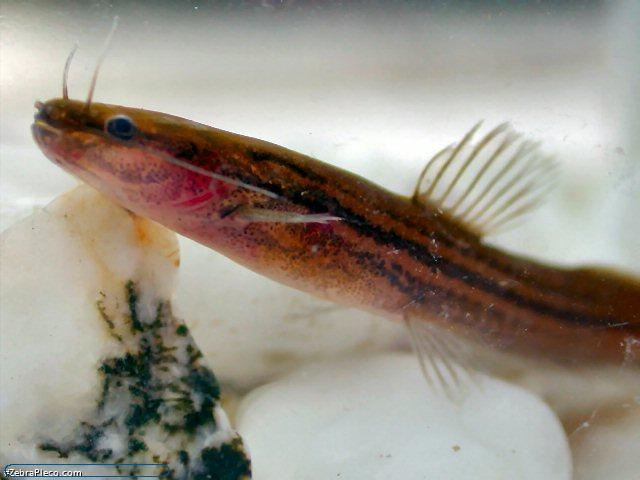
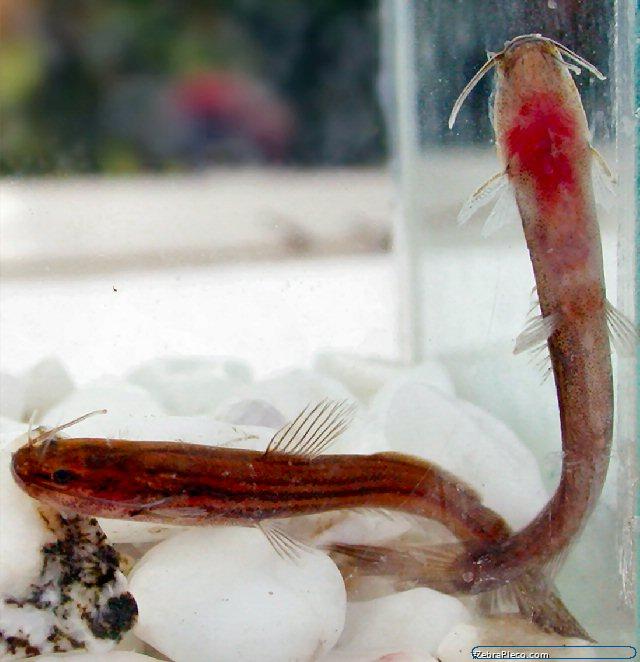
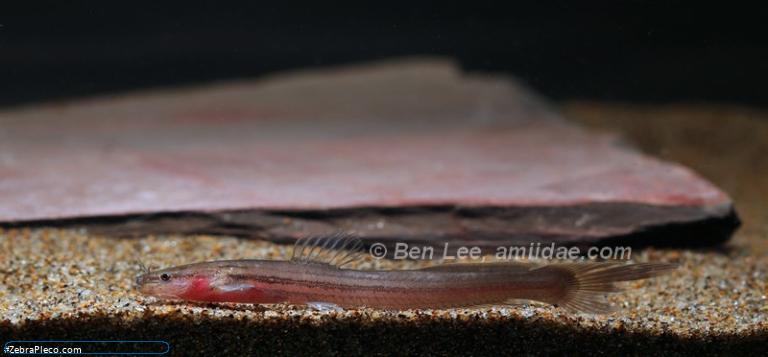
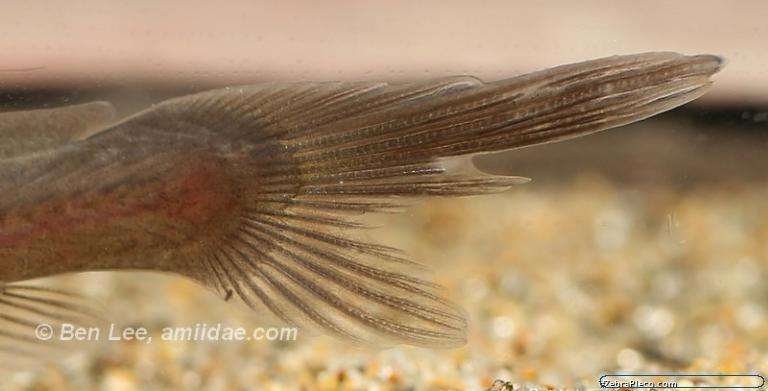
Community & Keeper Tally
Member interactions, breeding records and forum mentions
Aquarium Care & Husbandry
Dietary requirements, tank setup, compatibility and breeding
Feeding & Diet
Readily feeds on live/frozen foods and other prepared foods such as pellets. [View Member Food Stats]
Aquarium Furniture & Decor
Tank should be furnished with rocks and one or two pieces of driftwood. The rocks should be arranged such that enough crevices are created for the fish to hide in.
Compatibility & Suggested Tankmates
Compatible with most other community fish.
Congeners are extremely territorial and will fight, even when placed in a large tank.
Best kept in an Asian hillstream biotope with fast-water cyprinids (e.g. Barilius or Danio) and loaches (e.g. Schistura).
Breeding Notes
Unreported in the aquarium.
Habitat & Water Parameters
Natural distribution, biotope water conditions and temperature ranges
Geographic Distribution
Asia: India and Myanmar.
Indian waters, North Eastern India Waters (click on these areas to find other species found there)
Login to view the map.
Species Description & Identification
Morphology, diagnostic traits and sexual dimorphism
Identification
The bagrid catfish genus Olyra is known from the Ganges-Brahmaputra river system in the northern part of the Indian subcontinent. It is also known from localities southwards to the Manimalai River in southwestern India and eastwards to the Mae Klong River drainage in western Thailand. The genus is a supported monophyletic group diagnosed by the following combination of external characters: anguilliform body; unossified first and second dorsal-fin elements; and greatly enlarged upper caudal-fin lobe.
Distinguished from congeners by the extremely long upper lobe of the (forked) caudal fin. The populations from the Tenasserim region in southern Myanmar and the Mae Khlong drainage in western Thailand may represent distinct species.
Taxonomy, Synonyms & Etymology
Classification history, linguistic derivations and variant forms
Synonyms
Olyra elongata, Olyra longicauda, Olyra longicaudatus
Pronunciation
oh LIE rah - long gee cohd ATT uss
Etymology
Olyra: From the Greek olyra, meaning a kind of grain (probably rye); probably in allusion to the shape of the fish. The specific epithet comes from the Latin longus, meaning long and cauda, meaning tail; in reference to the extremely long caudal fin.
Literature & Resources
Scientific publications, external links and citation tools
Description Reference
Calcutta Journal of Natural History v. 2 (no. 8), pp 588, Pl. 21 (fig. 1)
External Databases
Related Searches