PAGE_HEADER
Pseudolithoxus anthrax (Armbruster & Provenzano, 2000)
Image Showcase
Photographs, diagnostic angles and morphological variants
Community & Keeper Tally
Member interactions, breeding records and forum mentions
Aquarium Care & Husbandry
Dietary requirements, tank setup, compatibility and breeding
Feeding & Diet
Does well on commercial "algae" wafers but requires a meaty element to its diet (probably met by insect larvae in the wild). Newly imported specimens need such meaty food immediately to acclimatise properly. [View Member Food Stats]
Aquarium Furniture & Decor
Plants are not necessary but are left unmolested if present. Prefers flat rock caves to all other forms of refuge.
Compatibility & Suggested Tankmates
Some what territorial. Defends chosen cave structure from all other plecos; ignores larger fish. Should have adequate space. Can be kept in a community tank if this is taken into account.
Tankmates: Best kept with other fish that like a good water current.
Breeding Notes
Unreported in the aquarium.
Habitat & Water Parameters
Natural distribution, biotope water conditions and temperature ranges
Geographic Distribution
South America: Upper and lower Orinoco tributaries, Caura and Aro rivers in Venezuela.
Orinoco, Lower Orinoco, Aro (click on these areas to find other species found there)
Orinoco, Lower Orinoco, Caura (click on these areas to find other species found there)
Orinoco (click on these areas to find other species found there)
Orinoco, Upper Orinoco (click on these areas to find other species found there)
Login to view the map.
Species Description & Identification
Morphology, diagnostic traits and sexual dimorphism
Identification
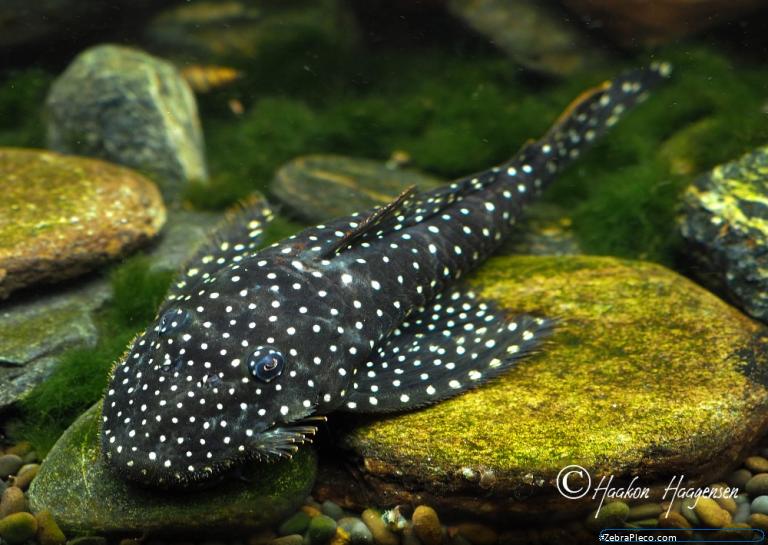
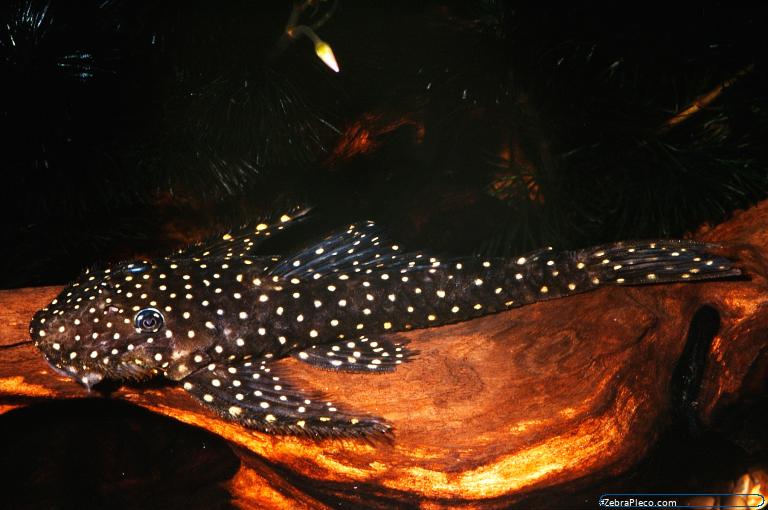
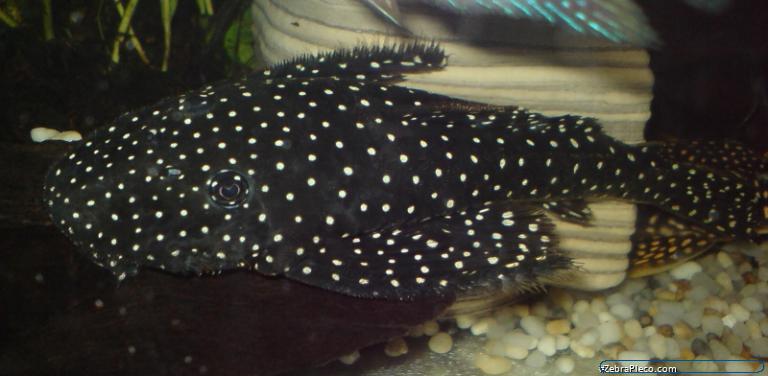
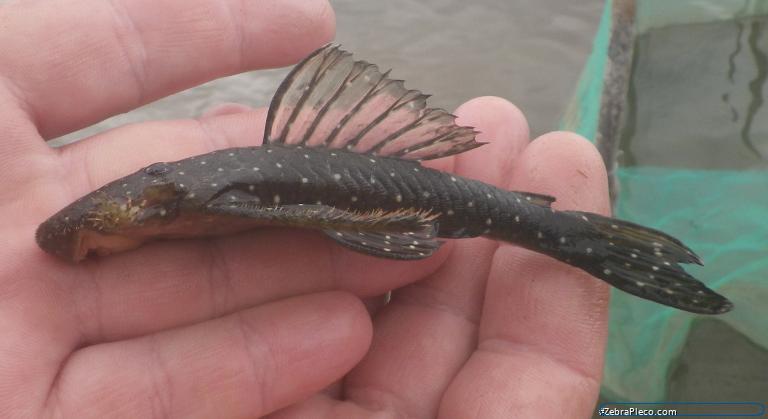
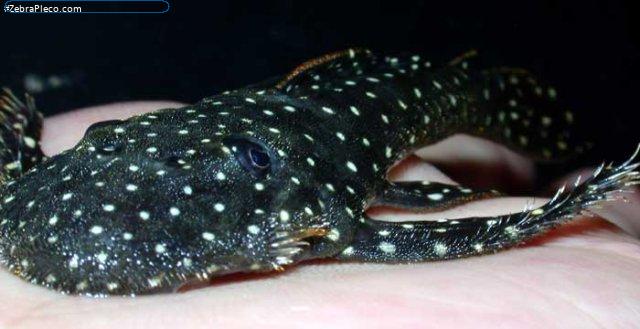
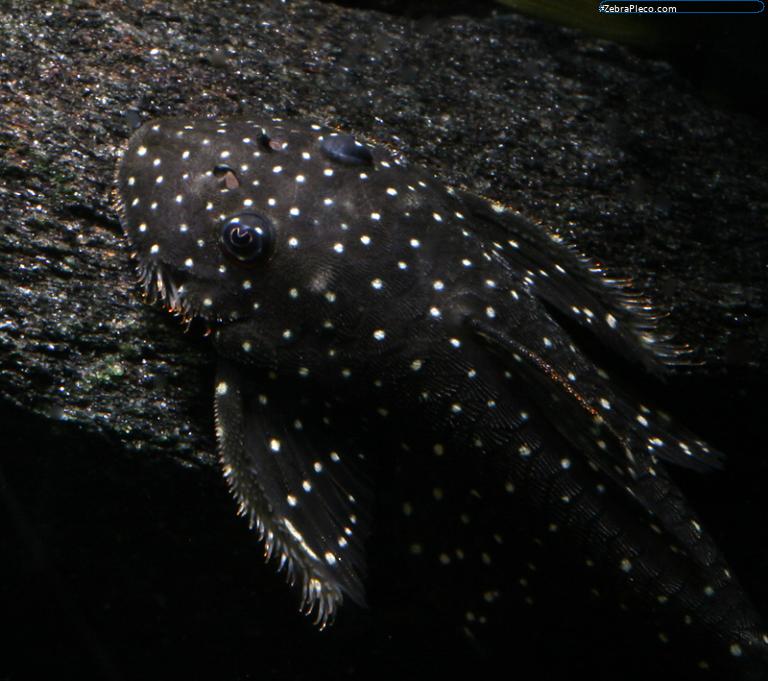
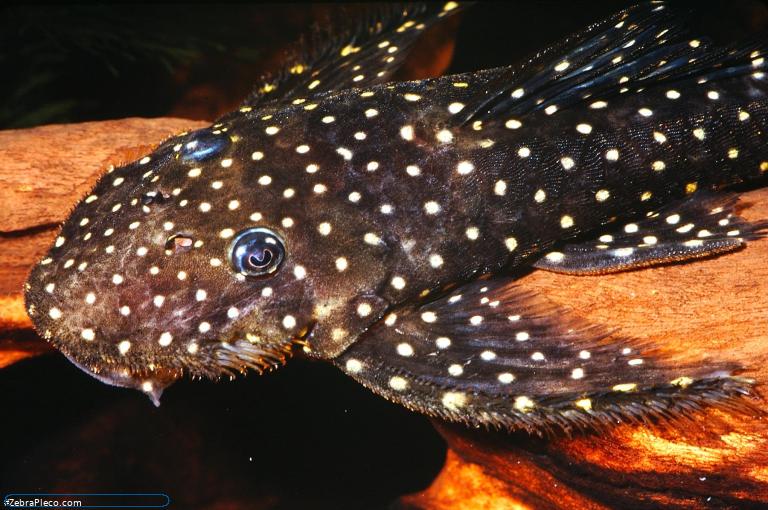
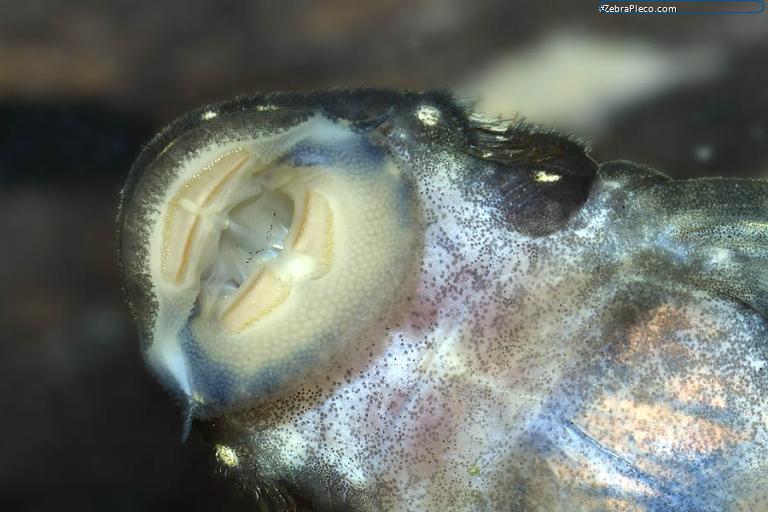
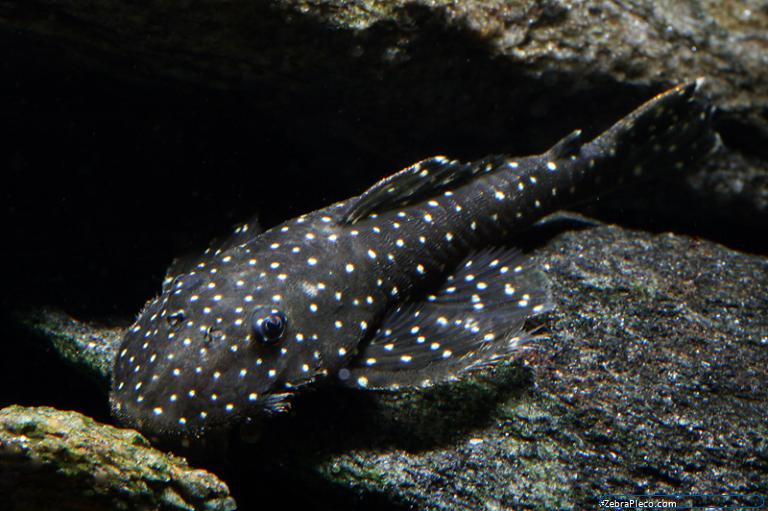
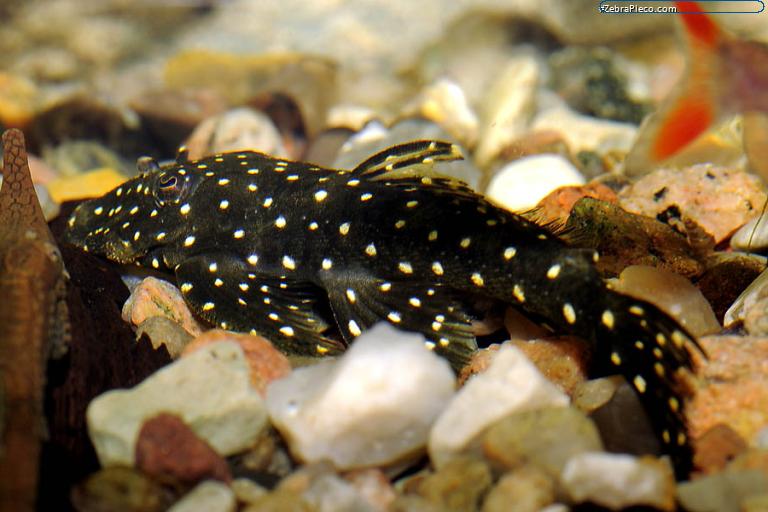
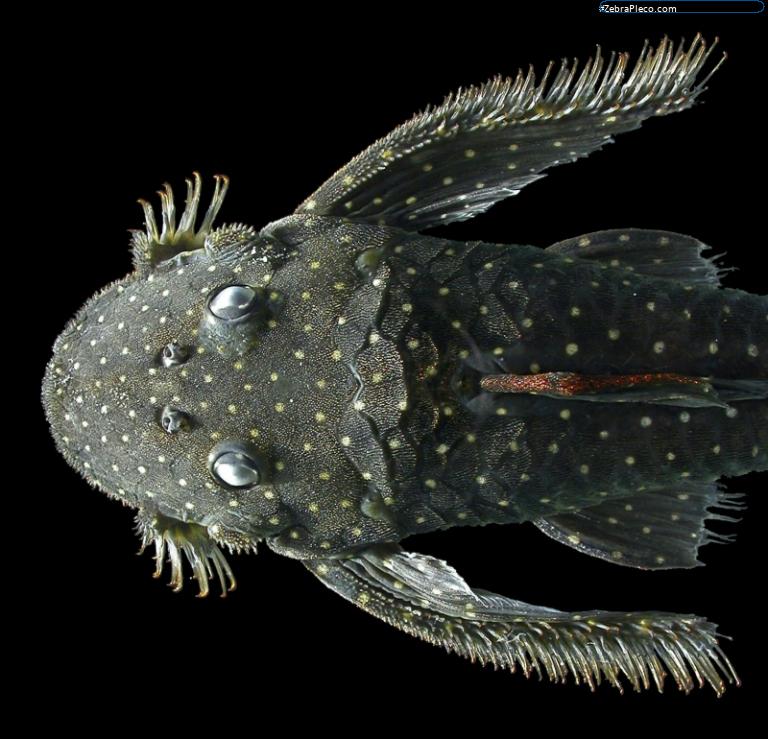
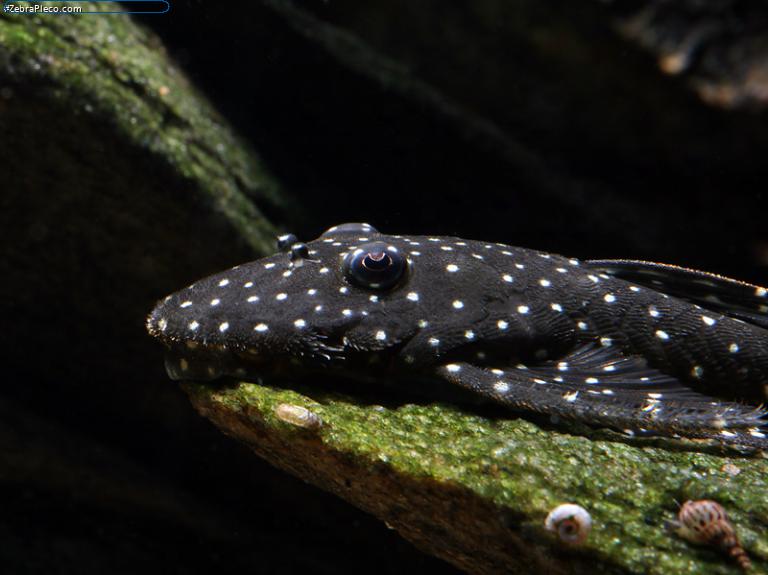
According to Armbruster, P. anthrax should have two dorsal spines and seven to eight branched dorsal rays; one anal spine and four branched anal rays; 24-26 lateral line plates; seven to eight dorsal plates; seven to eight adipose-caudal plates and 12-14 post-anal plates. The fish is usually dark grey or black with white spots.
Sexual Dimorphism (Sexing)
When comparing adults, males have much longer cheek bristles.
Taxonomy, Synonyms & Etymology
Classification history, linguistic derivations and variant forms
Synonyms
Lasiancistrus anthrax
Pronunciation
sue doh lith ox uss. - anth racks
Etymology
Greek, pseudes = false + Greek, lithos = stone + Greek, oxys = sharp.
Literature & Resources
Scientific publications, external links and citation tools
Literature & References
External Databases
Related Searches