PAGE_HEADER
Acanthodoras cataphractus (Linnaeus, 1758)
Image Showcase
Photographs, diagnostic angles and morphological variants
Community & Keeper Tally
Member interactions, breeding records and forum mentions
Aquarium Care & Husbandry
Dietary requirements, tank setup, compatibility and breeding
Feeding & Diet
An opportunistic feeder that eats live, frozen and dry aquarium foods. It usually only comes out to feed after lights out. [View Member Food Stats]
Aquarium Furniture & Decor
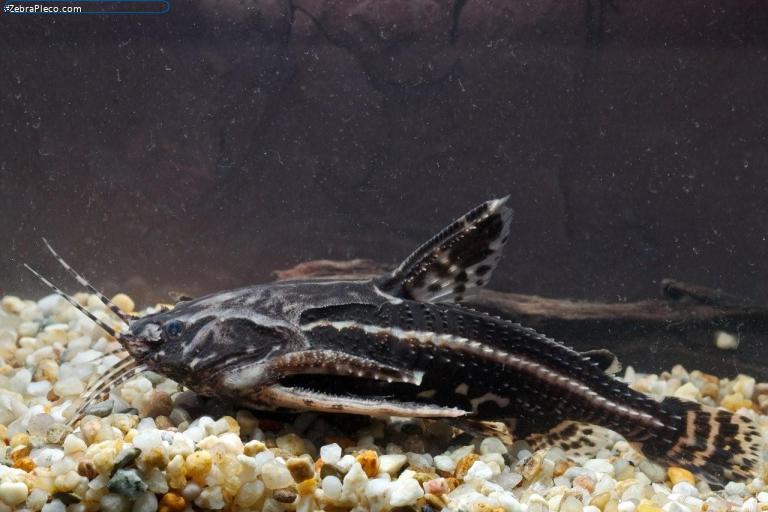
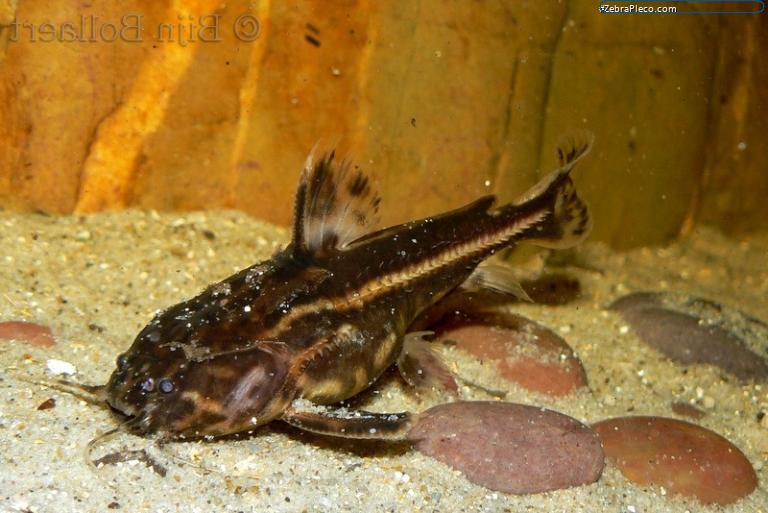
A very shy retiring fish that, once released in the aquarium, is rarely seen again. Provide plenty of caves and other hiding places. In the wild, they typically hide among thickets of submerged plants.
Compatibility & Suggested Tankmates
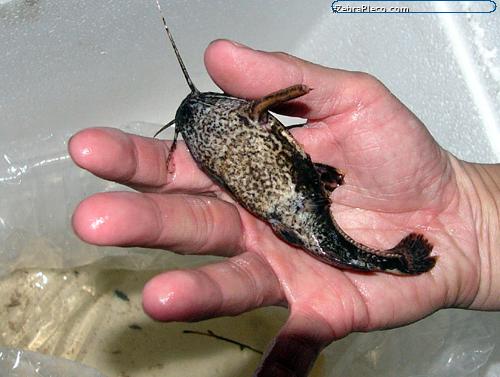
A good choice for the medium to large community tank. The above specimen was caught alongside the doradids Platydoras armatulus, Agamyxis pectinifrons, and Amblydoras hancockii in submerged terrestrial vegetation. Also collected at the site were Brochis splendens and several Corydoras spp.
Tankmates: Anything but the smallest species. Good with other doradids. A peaceful community resident.
Breeding Notes
Acanthodoras cataphractus are documented as having been spawned in aquaria. Both parents were observed digging a depression in the substrate into which the eggs were deposited. The eggs were guarded by both fish. The eggs hatched after 4-5 days although unfortunately the young did not survive beyond the fry stage of development.
Habitat & Water Parameters
Natural distribution, biotope water conditions and temperature ranges
Geographic Distribution
South America: Amazon River basin and coastal drainages of French Guiana, Guyana and Suriname.
Amazon (click on these areas to find other species found there)
Guyana Waters (click on these areas to find other species found there)
Guyana Waters, Coastal Rivers of Guyanas, Suriname Coastal Rivers (click on these areas to find other species found there)
Amazon, Lower Amazon, Tocantins, Lower Tocantins, Pará, Anapu Imported (click on these areas to find other species found there)
Login to view the map.
Species Description & Identification
Morphology, diagnostic traits and sexual dimorphism
Identification
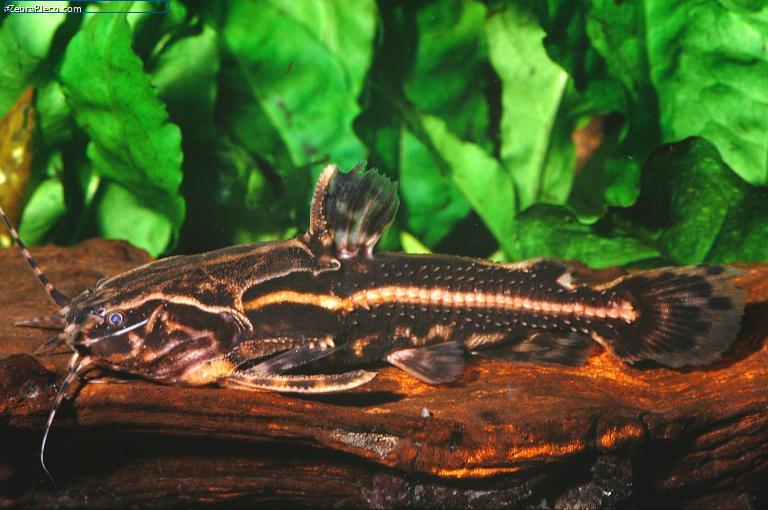
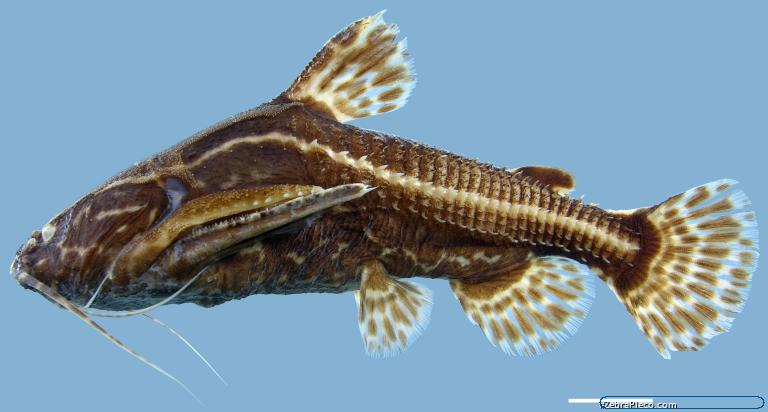
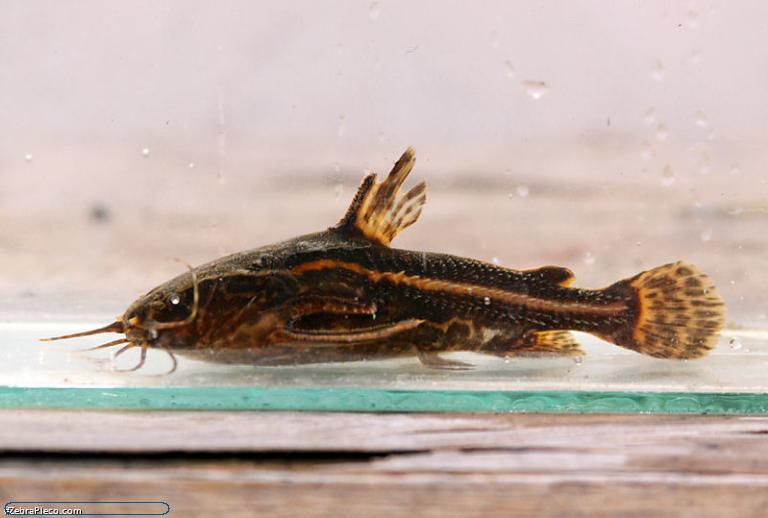
The only genus of doradid with a fully rounded caudal fin.
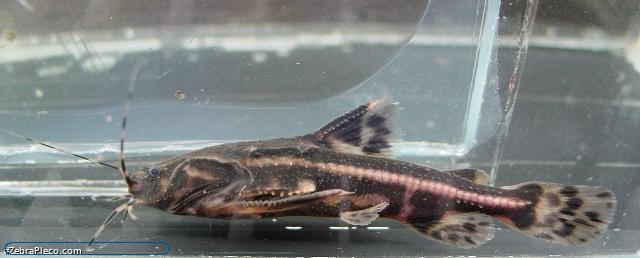
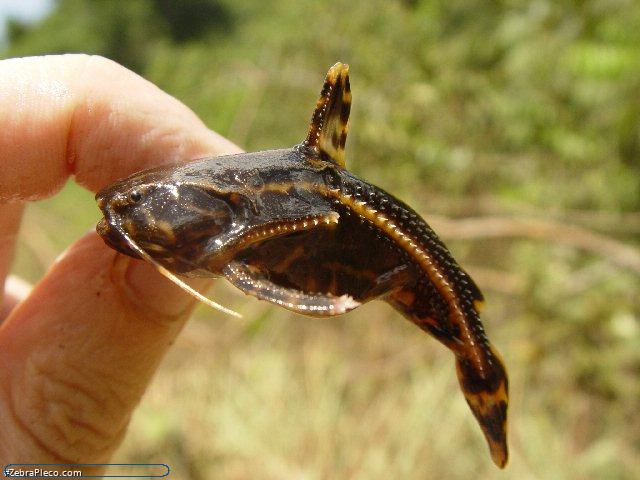
This fish is almost never a direct import can be found by the aquarist with a discerning eye as bycatch among shipments of the more common Platydoras armatulus (often labelled P. costatus). In P. armatulus, the white markings along the flank connect above the eyes forming a 'V.' The markings of A. cataphractus do not connect on the head. In P. armatulus, the white flank stripe continues down the body and onto the caudal fin. The caudal fin of A. cataphractus lacks the white stripe and is mottled.
Sexual Dimorphism (Sexing)
Females typically larger with a more full, or 'plump', appearance.
General Remarks
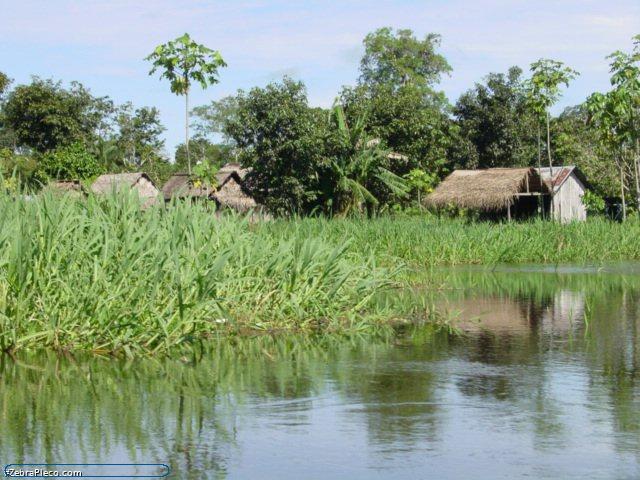
The above specimen on the right was captured using a ten foot seine net on the banks of a small Amazon tributary on the Peruvian side of the Amazon across from Leticia Colombia.
Taxonomy, Synonyms & Etymology
Classification history, linguistic derivations and variant forms
Synonyms
Callichthys asper, Cataphractus americanus, Doras blochii, Doras castaneoventris, Silurus cataphractus
Pronunciation
ah KAN tho door ass - cat ah frak tuss
Etymology
Acanthodoras: From the Greek akantha, meaning thorn, and doras, meaning skin (also a word commonly used in forming generic names for doradids); in reference to the spines on the bony scutes along the lateral line. The species name, cataphracta/us, means armoured or mail-clad.
Literature & Resources
Scientific publications, external links and citation tools
Description Reference
Systema Naturae, Ed. X v. 1, pp 307.
External Databases
Related Searches