
PAGE_HEADER
Channa lucius (Cuvier, 1831)
Image Showcase
Photographs, diagnostic angles and morphological variants

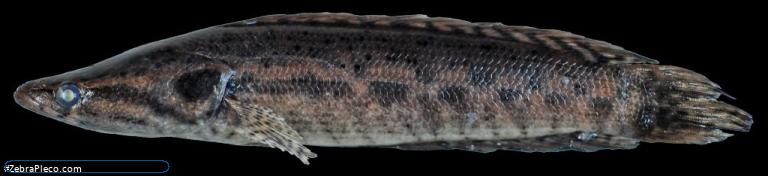
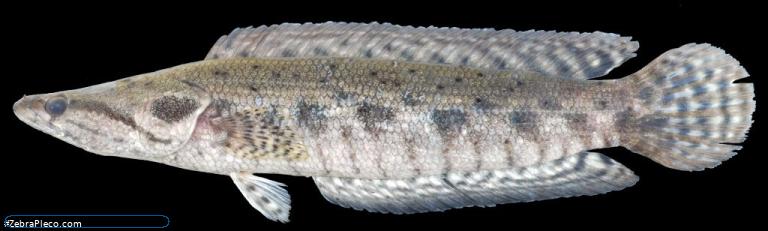
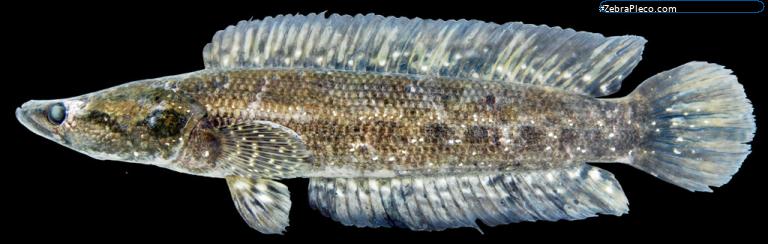
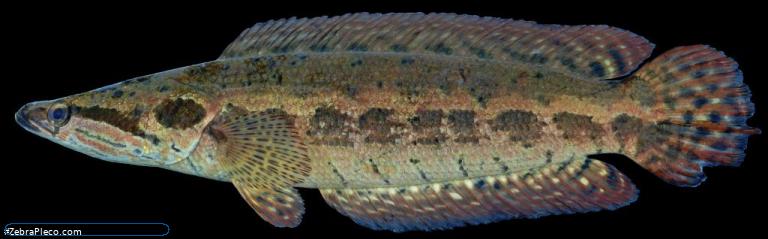
Community & Keeper Tally
Member interactions, breeding records and forum mentions
Aquarium Care & Husbandry
Dietary requirements, tank setup, compatibility and breeding
Breeding Notes
No member of this genus has been bred in the aquarium.
Habitat & Water Parameters
Natural distribution, biotope water conditions and temperature ranges
Geographic Distribution
Asia: Thailand to Indonesia.
Taxonomy, Synonyms & Etymology
Classification history, linguistic derivations and variant forms
Synonyms
Channa siamensis, Ophicephalus lucius, Ophicephalus polylepis, Ophiocephalus bistriatus, Ophiocephalus bivittatus, Ophiocephalus lucius, Ophiocephalus marmoratus, Ophiocephalus siamensis, Ophiocephalus spiritalis
Pronunciation
Cha na
Etymology (source: ETYFish.org)
Name dates to Gronow (1763), made available by Scopoli, etymology unknown, perhaps derived from channe or channos, a Greek name for a wide-mouthed fish of the sea; Sudasinghe et al. (2020) suggest that Channa is a Dutch transliteration of kanaya, local name for C. orientalis and other small snakeheads in Sri Lanka (type locality and under Dutch rule at the time; also Gronow was Dutch), but the Dutch pronunciation of Channa is “ganna,” not “kanna” (Richard van der Laan, pers. comm.) (source: https://etyfish.org/anabantiformes) Pike, manuscript name coined by Kuhl & van Hasselt, allusion not explained but probably referring to “somewhat concave flattening of its forehead” (translation), similar to that of the Northern Pike, Esox lucius
There is 1 other speciesEsox lucius with this specific name.
Literature & Resources
Scientific publications, external links and citation tools
Description Reference
Histoire naturelle des poissons v. 7, pp 416.
External Databases
Related Searches

