PAGE_HEADER
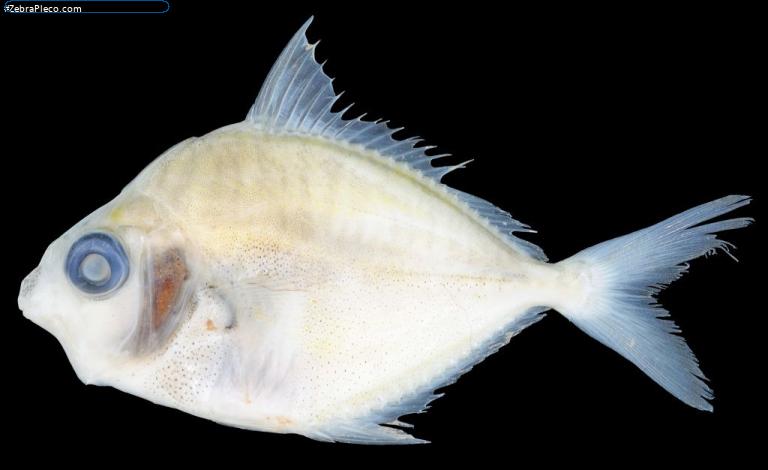
Leiognathus equula (Forsskål, 1775)
Image Showcase
Photographs, diagnostic angles and morphological variants
Community & Keeper Tally
Member interactions, breeding records and forum mentions
Aquarium Care & Husbandry
Dietary requirements, tank setup, compatibility and breeding
Feeding & Diet
Feed on polychaetes, small crustaceans, small fishes and worms. [View Member Food Stats]
Breeding Notes
No member of this genus has been bred in the aquarium.
Habitat & Water Parameters
Natural distribution, biotope water conditions and temperature ranges
Geographic Distribution
Indo-West Pacific: Red Sea, Persian Gulf and East Africa (including Reunion, Comoros, Seychelles, Madagascar and Mauritius) to Fiji, north to the Ryukyu Islands, south to Australia.
Taxonomy, Synonyms & Etymology
Classification history, linguistic derivations and variant forms
Etymology (source: ETYFish.org)
Leiognathus: Greek, leios = smooth + Greek, gnathos = jaw. Diminutive of equus, horse, i.e., colt, foal or mare (and possible source of the common name “ponyfish”); according to Cuvier (1815), Forsskål applied this diminutive believing this fish was a small mackerel (Scomber, original genus), called cavalla (mare) in Spain and Portugal
Literature & Resources
Scientific publications, external links and citation tools
Description Reference
Descriptiones animalium (Forsskål), pp 58, xii.
External Databases
Related Searches