PAGE_HEADER
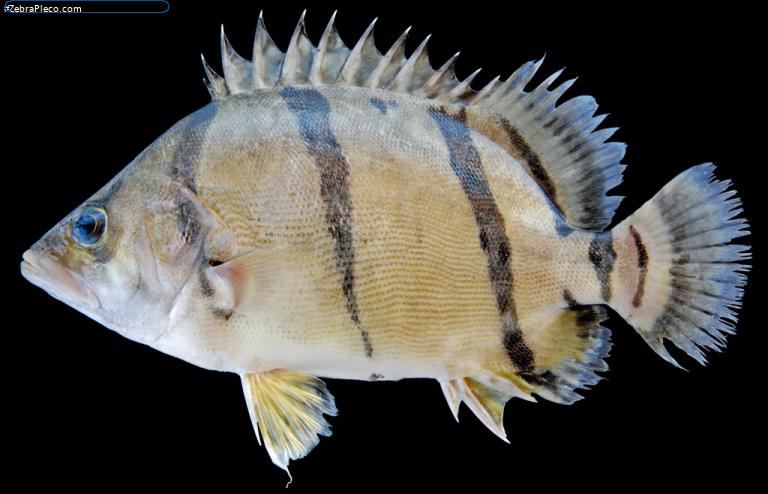
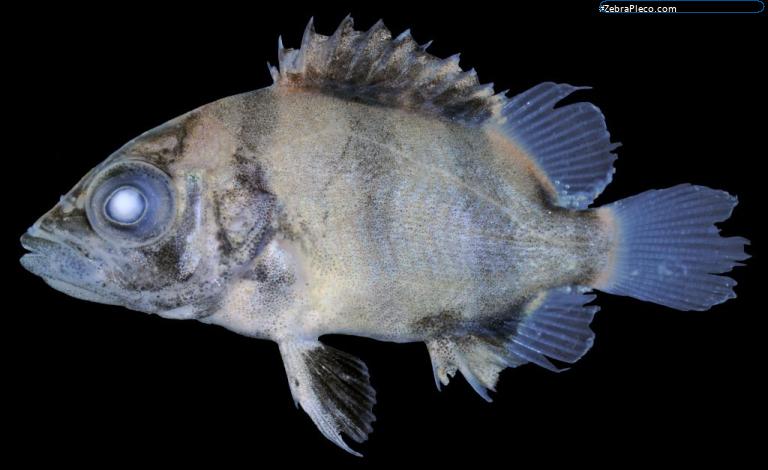
Datnioides undecimradiatus (Roberts & Kottelat, 1994)
Image Showcase
Photographs, diagnostic angles and morphological variants
Community & Keeper Tally
Member interactions, breeding records and forum mentions
Aquarium Care & Husbandry
Dietary requirements, tank setup, compatibility and breeding
Feeding & Diet
Feeds on fishes, prawns, crabs and some insect larvae. [View Member Food Stats]
Breeding Notes
No member of this genus has been bred in the aquarium.
Habitat & Water Parameters
Natural distribution, biotope water conditions and temperature ranges
Geographic Distribution
Asia: middle and lower Mekong basin.
Taxonomy, Synonyms & Etymology
Classification history, linguistic derivations and variant forms
Synonyms
Coius undecimradiatus
Etymology (source: ETYFish.org)
Oides, having the form of: Datnia (=Mesopristes, Centrarchiformes: Terapontidae), then classified together in the catch-all family Percidae (perches) and presumed to be related because of their lack of palatine teeth (source: http://etyfish.org/acanthuriformes1) Undecim, eleven; radiatus, rayed, referring to “most frequent count” of soft anal-fin rays
Literature & Resources
Scientific publications, external links and citation tools
Literature & References
External Databases
Related Searches