
PAGE_HEADER
Stellantia siderea (Armbruster, 2004)
Image Showcase
Photographs, diagnostic angles and morphological variants

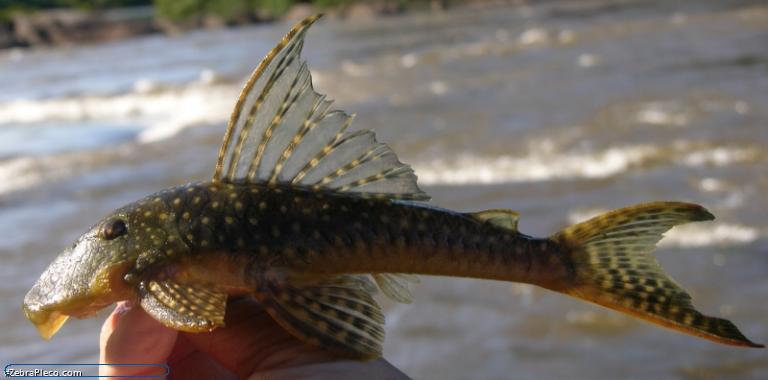
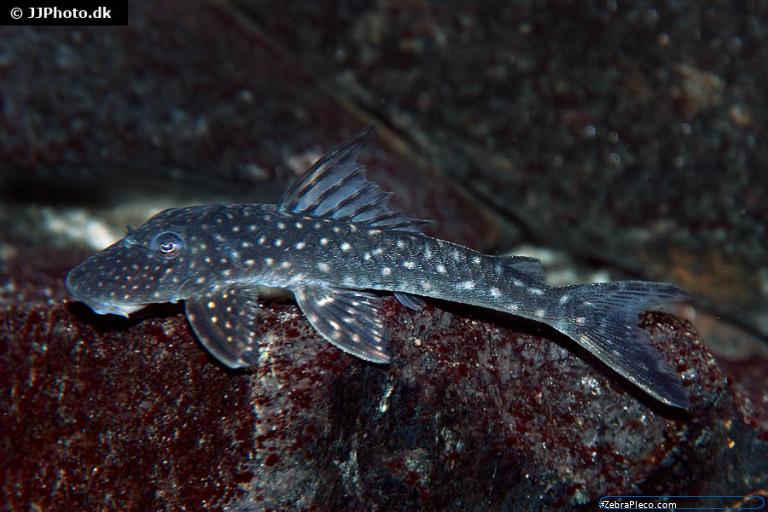


Community & Keeper Tally
Member interactions, breeding records and forum mentions
Aquarium Care & Husbandry
Dietary requirements, tank setup, compatibility and breeding
Breeding Notes
Unreported in the aquarium.
Habitat & Water Parameters
Natural distribution, biotope water conditions and temperature ranges
Geographic Distribution
South America: Venezuela.
Amazon, Middle Amazon (Solimoes), Negro, Upper Negro, Casiquiare (click on these areas to find other species found there)
Orinoco, Upper Orinoco (click on these areas to find other species found there)
Login to view the map.
Species Description & Identification
Morphology, diagnostic traits and sexual dimorphism
Identification
Pseudancistrus sidereus is diagnosed by a unique modification of the ventral plates on the caudal peduncle. In loricariids, the plates of the ventral row on the caudal peduncle are typically bent at an approximately 90° angle to follow the contour of the body. The bend is often the site of a slight keel formed from one or more rows of slightly longer odontodes. In P. sidereus, the keel is accentuated by having the dorsal laminae of the plates strongly concave. Although some loricariids may have the dorsal laminae slightly concave, it is much more pronounced in P. sidereus.
Taxonomy, Synonyms & Etymology
Classification history, linguistic derivations and variant forms
Synonyms
Pseudancistrus sidereus
Etymology
This specific epithet refers to the dark background which makes the white spots look like stars (sidereus=of the stars).
Literature & Resources
Scientific publications, external links and citation tools
Literature & References
External Databases
Related Searches

