
PAGE_HEADER
Scleromystax sp. (C112)
Image Showcase
Photographs, diagnostic angles and morphological variants


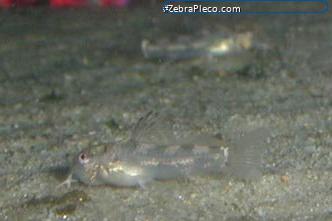
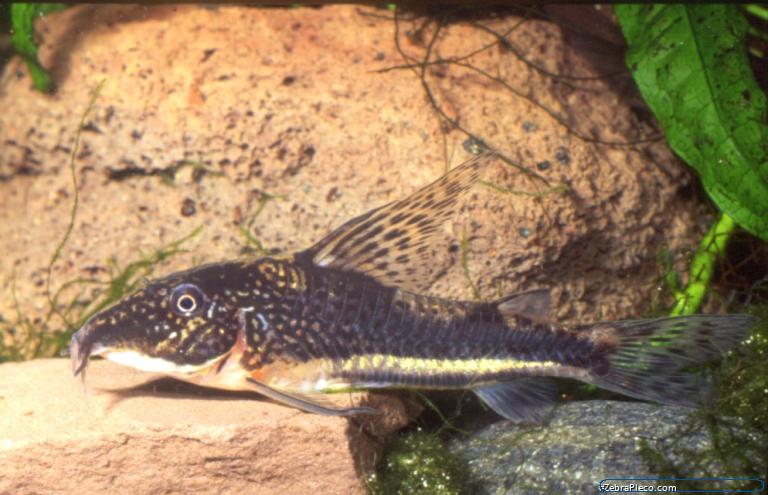


Community & Keeper Tally
Member interactions, breeding records and forum mentions
Aquarium Care & Husbandry
Dietary requirements, tank setup, compatibility and breeding
Feeding & Diet
Will readily accepted all prepared foods that reach the bottom of the aquarium such as tablets, granules and larger flakes. Live (or frozen) foods such as bloodworm, white worm, grindal worm (Enchytraeus), Daphnia and Tubifex are readily accepted and good for conditioning groups of fishes for spawning. [View Member Food Stats]
Aquarium Furniture & Decor
Ideally substrate should be sand, but rounded gravel is an imperfect alternative. Avoid keeping over rough edged (chipped) gravel, this will increase this risk of damage the fishes barbels when it tries to dig. Substrate should be bordered with driftwood and aquatic plants leaving an open area for them to search for food and swim. The shade provided by overhanging rock work, arching bogwood, tall or floating plants are all that is required to settle these fishes.
Compatibility & Suggested Tankmates
A peaceful, shoaling, community fish.
Breeding Notes
Spawned by Eric Bodrock in July 1998 who provided these notes on the "Baianinho form II". A single male with two females made up the spawning group. Breeding took place in a 10-gallon tank, pH of 6.8–7.0 at a temperature of 74°–75°F (23°–24°C). Large eggs numbering up to 100 were deposited on the glass, high on the sides and in a couple of clusters. Hatch rate was exceptionally low.
Habitat & Water Parameters
Natural distribution, biotope water conditions and temperature ranges
Geographic Distribution
Sao Paulo State, Brazil.
Sao Paulo State Rivers (click on these areas to find other species found there)
Login to view the map.
Taxonomy, Synonyms & Etymology
Classification history, linguistic derivations and variant forms
Pronunciation
ss KLER oh muss tax
Etymology
Scleromystax: From the Greek sclero meaning hard and the Latin mystax meaning moustache.
Literature & Resources
Scientific publications, external links and citation tools
Related Searches

